
Flowers
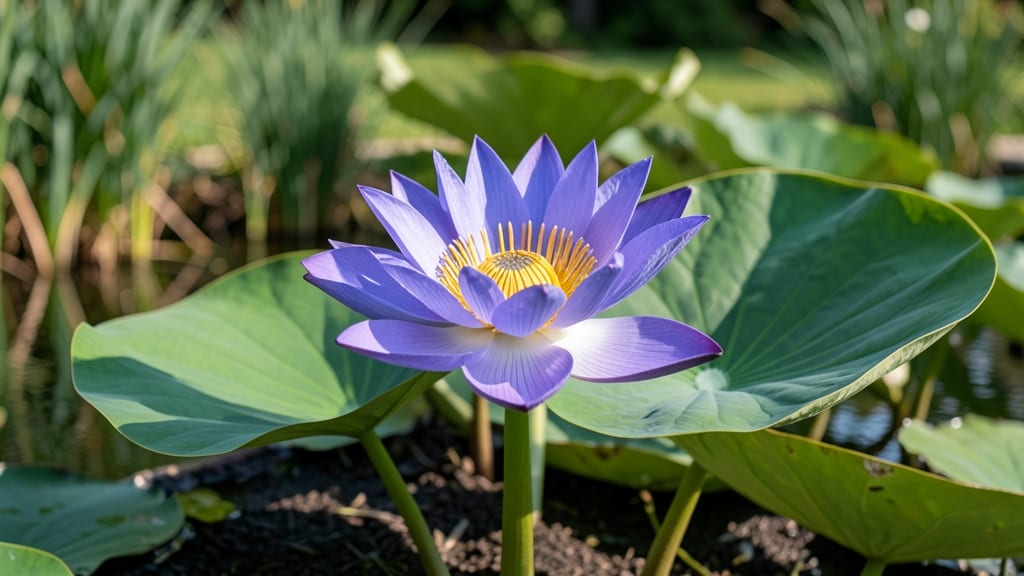
The Egyptian lotus flower (Nymphaea caerulea) brings ancient Egypt’s sacred beauty into modern gardens with its striking blue blooms and velvety petals. 🌿 I’ve grown these mesmerizing aquatic plants for years, and their resilience—thriving in still water or containers—makes them surprisingly accessible for any gardener.
The real magic lies in their symbolism: ancient Egyptians associated them with creation, rebirth, and the sun god Ra, yet they’re also surprisingly low-maintenance once established.
You’ll need a sunny spot with at least 6 hours of direct light daily, a pond or container with 12–18 inches of water depth, and nutrient-rich, slightly alkaline soil.
The secret to their success? Patience—these lotuses grow slowly but reward you with 3–4 inch blooms that open at dawn and close by dusk, a spectacle you won’t find in most garden centers. Even in containers, they’ll grace your patio with their historic allure.
By late summer, you’ll watch the first blooms emerge, their deep blue centers contrasting against the water’s surface like a living artifact. The fragrance—sweet and intoxicating—draws bees and butterflies, turning your garden into a tranquil sanctuary.
Whether you’re recreating an Egyptian-themed pond or simply adding drama to a water feature, this plant delivers timeless elegance with minimal effort.
Works in USDA Zones 7–10, but with proper winter protection (like container insulation), you can grow them in cooler climates too. The key is consistent moisture and avoiding overcrowding—both common pitfalls. Let’s bring this ancient beauty to life in your garden!
📚 In This Guide
- What you need
- Instructions
- Tips and common mistakes
- Wrapping up and next steps
What you need
- ● Egyptian lotus seeds or cuttings: Seeds: 5–10 (ensure they’re Nymphaea caerulea or Nymphaea lotus varieties). Cuttings: 1–2 healthy stems (3–4 inches long) with nodes.
- ● Container or pond: For seeds: A shallow tray (6–8 inches deep) with drainage holes. For mature plants: A pond (minimum 12 inches deep) or large container (15+ gallons) with a dark substrate (e.g., pond soil or clay).
- ● Potting mix: 50% peat moss or coco coir (for moisture retention). 50% perlite or sand (for aeration).
- ● Water: Dechlorinated (use a water conditioner if tap water is used). Warm (70–80°F) for germination.
- ● Fertilizer: Slow-release aquatic plant fertilizer (e.g., Osmocote) or liquid fish emulsion (diluted to ¼ strength).
- ● Basic tools: Pruning shears (sterilized with rubbing alcohol). Small hand trowel or spoon. pH test kit (ideal range: 6.5–7.5).
- ○ Optional (but helpful!): Grow lights (for indoor seed starting). Pond thermometer (to monitor water temp). Floating plant mats (to protect seeds from direct sunlight). Decorative stones or driftwood (for aesthetic ponds).
- ● Prerequisites: Sunlight access: 6+ hours of direct sun daily (or grow lights for indoor setups). Patience! Egyptian lotuses can take 3–5 months to bloom from seed.
Step-by-Step guide to cultivating Egyptian lotus flowers
Bring this sacred bloom to life with these proven techniques for thriving aquatic beauty.
🌱 Step 1: Prepare the Ideal Water Garden Setting
Egyptian lotus (Nymphaea caerulea) thrives in 6-12 inches of still, warm water with full sun exposure (6+ hours daily). Choose a container or pond with smooth, rounded edges—sharp corners can damage delicate rhizomes. I use a 55-gallon stock tank for my first plant, as it provides enough depth while remaining manageable. Place it in a location protected from strong winds, which can stress the plant's broad leaves.
Add 2-3 inches of aquatic planting soil or sand to the container's base before planting. This layer prevents rhizomes from floating and provides initial nutrients. The soil should be moist but not soggy—think of it as damp sand you can squeeze without water dripping out. Here's the thing—Egyptian lotus rhizomes are sensitive to cold water. Maintain temperatures between 70-85°F for optimal growth, using a small submersible heater if needed in cooler climates.
☀️ Step 2: Plant Rhizomes at the Correct Depth
Position rhizomes horizontally in the prepared soil, 1-2 inches below the surface with the buds facing upward. Space them 6-12 inches apart to allow room for root expansion. Gently press the soil around them to secure without compacting. I've found that planting too deep delays flowering, while planting too shallow risks exposure to air and potential drying.
Place the container in water until the soil level is just covered—about 1 inch of water above the rhizomes. This initial shallow watering prevents oxygen deprivation while roots establish. Within 2-4 weeks, you'll see first true leaves emerge from the water's surface. These will be round, paddle-shaped, and deep green—your signal that the plant is thriving. Real talk: If leaves appear yellow or wilted, the water may be too deep or too cold.
💧 Step 3: Maintain Water Quality and Light Conditions
Egyptian lotus water requires consistent warmth and purity. Change 20-30% of the water weekly to prevent nutrient buildup and algae growth. Use dechlorinated water—chlorine can harm delicate roots. I add a small aquatic water clarifier to keep the water clear, which also helps monitor rhizome health through the glass container. Maintain 6-12 inches of water depth throughout the growing season, adding more as the plant grows.
Position your container where it receives direct sunlight for at least 6 hours daily. Without sufficient light, stems will grow long and weak, and flowers may fail to open. You'll notice healthy plants developing large, glossy leaves that float just above the water's surface. If your climate has cooler summers, supplement with a grow light positioned 12-18 inches above the container for 8-10 hours daily to maintain flowering.
✂️ Step 4: Encourage Blooming and Seasonal Care
Egyptian lotus flowers typically bloom summer through early fall, producing stunning blue or lavender blooms that open in the morning and close by afternoon. To encourage more flowers, remove spent blooms as soon as they wilt—this redirects the plant's energy toward producing new buds. I use clean, sharp scissors to cut stems just above the leaf node to prevent disease entry.
During dormancy (late fall to early spring), reduce water levels to 3-4 inches and move the container to a cool but frost-free location (50-60°F). The rhizomes will enter a resting phase, and you'll see minimal leaf growth. Resist the urge to fertilize during this time—Egyptian lotus stores energy in its rhizomes naturally. In early spring, gradually return to full water levels and resume regular care as new growth appears.
🪴 Step 5: Propagate and Expand Your Collection
Once established, Egyptian lotus rhizomes produce offsets—small shoots that form along the main rhizome. Separate these in early spring when they're 2-3 inches long and have developed their own roots. Plant them in new containers following the same depth and spacing guidelines. This is how I've expanded my collection from one plant to four thriving specimens over three seasons.
For long-term health, divide mature rhizomes every 2-3 years to prevent overcrowding. Simply lift the rhizome from the water, separate the sections with a clean knife, and replant immediately. The key is to ensure each section has at least one bud—this guarantees new growth. I've learned the hard way that skipping this step leads to smaller flowers and weaker stems, so don't skip it!
Tips & tricks for cultivating Egyptian lotus flowers
Transforming your garden into an Egyptian lotus sanctuary takes patience and precision—here's how to avoid the pitfalls that trip up even experienced growers.
Water Temperature is Everything: The 70-85°F range isn't just a suggestion—it's non-negotiable for these tropical beauties. I've seen firsthand how temperatures below 70°F stunt growth completely. If your climate dips below this, invest in a reliable submersible heater (like the Eheim Jager Aquarium Heater) and monitor with an aquarium thermometer. Remember, cold water slows metabolism, delaying those coveted blooms by weeks. The moment your water drops below 70°F, your plant essentially goes into survival mode instead of growth mode.
Lighting Strategy for Maximum Blooms: Those 6+ hours of direct sunlight in Step 3 are your golden ticket to vibrant flowers, but here's what nobody tells you: position your container where morning sun hits first, then gradually moves to afternoon shade. This prevents leaf scorch while ensuring consistent energy production. For indoor growers, a full-spectrum LED grow light positioned 12-18 inches above (as mentioned) should run on a timer for 8-10 hours—matching the natural photoperiod triggers flowering hormones. I've had success with the Mars Hydro TS 600W LED grow light for my indoor specimens during winter months.
Rhizome Planting Precision: The 1-2 inch depth guideline in Step 2 is critical, but here's the detail that makes all the difference: plant with the buds facing slightly upward (about 30 degrees) rather than perfectly vertical. This subtle angle encourages upward growth while preventing the buds from being buried too deeply. I use a small wooden skewer to mark planting depth before covering with soil—this helps maintain consistency when planting multiple rhizomes. Too deep and you'll wait months for blooms; too shallow and your rhizomes risk drying out.
Dormancy Protocol: When reducing water levels to 3-4 inches during dormancy, don't rush this process. Gradually lower the water over 2-3 weeks to prevent shock. I've made the mistake of dropping water levels too quickly, which caused my rhizomes to produce weak, leggy growth the following spring. During dormancy, place your container in a location with indirect light—bright light can actually stimulate unwanted growth when the plant should be resting. A cool basement with a small window works perfectly for this phase.
Pro Tips for Egyptian Lotus Flower
- Transforming your garden into an Egyptian lotus sanctuary takes patience and precision—here's how to avoid the pitfalls that trip up even experienced growers.
- Water Temperature is Everything: The 70-85°F range isn't just a suggestion—it's non-negotiable for these tropical beauties.
- This prevents leaf scorch while ensuring consistent energy production.
Frequently asked questions
Got questions about growing or caring for the Egyptian lotus flower?
Here are some of the most common ones—plus answers to help you cultivate this ancient beauty like a pro!
Can the Egyptian lotus flower grow in a regular garden or do I need a pond?
The Egyptian lotus (Nymphaea caerulea) thrives in shallow water (3–6 inches deep), so a pond, large container, or even a kiddie pool works! If you lack water features, try a terrarium-style setup with a tray of water and pebbles for drainage. Just ensure it gets full sun (6+ hours daily)—this flower loves warmth!
How long does it take for an Egyptian lotus to bloom?
Patience is key! With ideal conditions (sun, water, and warmth), you can expect first blooms in 2–4 months from planting tubers. However, established plants may take up to 6 months in cooler climates. Pro tip: Keep water temps above 70°F (21°C) to speed up growth!
What’s the best way to overwinter Egyptian lotus tubers?
In colder climates, dig up tubers before frost and store them in a cool, dry place (like a paper bag with peat moss). Keep them just moist (not soggy) and above freezing (40–50°F / 4–10°C). In mild winters, mulch the pond heavily or use a water heater to prevent freezing. Warning: Never let tubers freeze—they’ll die!
Are Egyptian lotus flowers toxic to pets or wildlife?
While not highly toxic, the lotus contains alkaloids that can cause mild stomach upset if ingested in large amounts. Keep pets away from roots and tubers, which are more concentrated. Wildlife like ducks and fish may nibble on leaves, but the plant is generally safe for ecosystems. Bonus: Bees and butterflies love them!
Why aren’t my Egyptian lotus leaves floating properly?
Floating issues usually stem from root stress or poor water quality. Check these fixes:
- Root health: Ensure tubers aren’t rotting (trim mushy parts if needed).
- Water depth: Adjust to 3–6 inches—too deep = weak stems.
- Fertilizer: Use a low-nitrogen aquatic plant food monthly.
- Algae: Excess algae = competition. Add barley straw or reduce sunlight temporarily.
If problems persist, your lotus may need replanting in fresh, dechlorinated water.
Wrapping up and next steps
The Egyptian lotus flower isn’t just a symbol of ancient beauty—it’s a living piece of history you can nurture in your own garden! 🌸 From its sacred roots in Egyptian mythology to its stunning blooms, this flower offers both aesthetic joy and a connection to nature’s timeless elegance.
Whether you’re drawn to its symbolism, its low-maintenance care, or its striking presence, the lotus is a rewarding addition to any outdoor space.
Ready to bring a touch of the Nile to your garden? Start by choosing your preferred variety (sacred blue, pink, or white) and gather your supplies.
Then, follow the steps above to plant and care for your lotus—soon, you’ll be rewarded with blooms that feel like a gift from the pharaohs themselves! 🌿✨