
Pruning
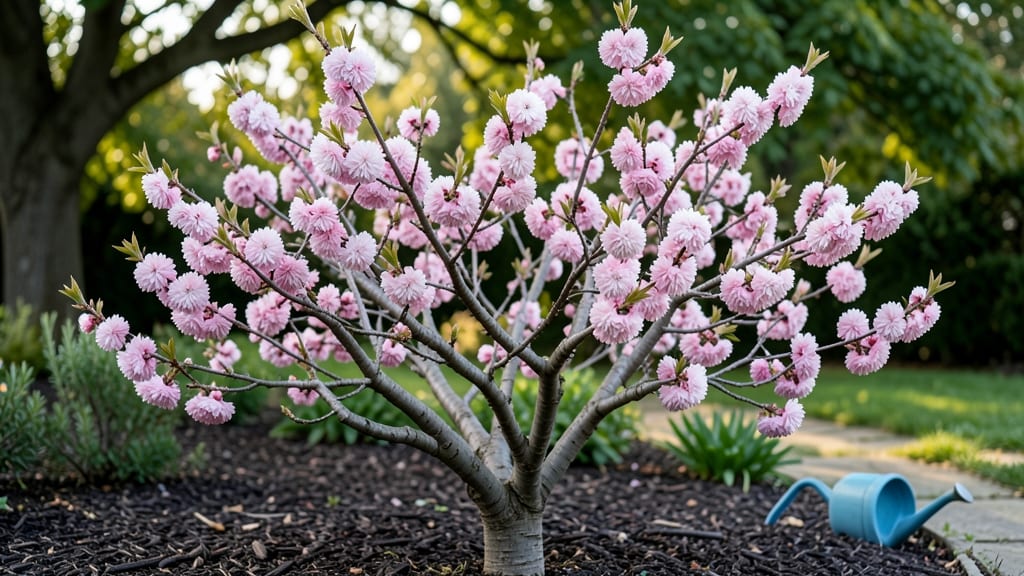
A double flowering almond tree turns your yard into a cloud of pink and white blossoms—twice a year, if you time the pruning just right. I planted mine last spring after watching neighbors’ trees burst into bloom, and now I swear by the three-cut method that keeps them flowering reliably.
The secret isn’t just when you prune, but how you shape the branches to encourage those lush, double-layered blooms.
You’ll need well-draining soil, full sun for at least six hours a day, and a spot where it can spread its branches without crowding other plants. Water deeply once a week after planting, then taper off as roots establish—overwatering is the fastest way to kill these drought-tolerant beauties.
The pruning itself takes about 20 minutes per tree in late winter, and the payoff is worth every snip.
By summer, you’ll have branches heavy with fragrant, double-layered blossoms that last longer than single-bloom varieties. The trees also produce edible (though bitter) almonds, though most growers plant them purely for their stunning spring and fall displays.
With the right care, your tree will become the showstopper of the neighborhood—every gardener’s secret weapon for year-round interest.
Works in USDA zones 5-9, though colder climates may need winter protection. The same techniques apply whether you’re shaping a young tree or reviving an overgrown one. Let’s get those blooms popping!
📚 In This Guide
- What you need
- Instructions
- Tips and common mistakes
- Wrapping up and next steps
What you need
- ● Pruning shears – Bypass type (8-10 inch blade) for clean cuts (1 pair).
- ● Loppers – 16-20 inch, for thicker branches (1 pair).
- ● Hand pruners – For detailed trimming (smaller branches) (1 pair).
- ● Pruning saw – For large, stubborn branches (1).
- ● Disinfectant (70% isopropyl alcohol or pruning sealant) – To prevent disease spread (small bottle).
- ● Garden gloves – Cut-resistant, durable material (1 pair).
- ● Ladder or step stool – For high branches (6+ ft tall) (1).
- ● Twine or zip ties – For temporary branch support (small roll).
- ○ Pruning paint/sealant – To protect large cuts (optional for almond trees).
- ● Sharpener (file or stone) – To keep blades razor-sharp.
- ● Work apron with pockets – For organizing small tools.
- ● Camera or sketchbook – To document pruning progress.
- ● A healthy double flowering almond tree (2-5 years old for best results).
- ● Basic knowledge of tree anatomy (leader, scaffold branches, suckers).
- ● Access to water for post-pruning care.
- ● Sunny location (6+ hours of sunlight daily).
Instructions for cultivating a double flowering almond tree
Here's how to coax year-round blooms from your almond tree with simple, effective techniques.
Prune for Structure in Early Spring
Begin pruning as soon as buds swell but before leaves emerge—this is your 2-3 week window after last frost. I always start by removing dead, crossing, or diseased branches first, cutting just outside the branch collar. These branches never produce flowers and waste the tree's energy.
Next, shape the tree by opening the center to improve airflow—this prevents fungal diseases that can kill blooms. Aim for an open vase shape with 3-5 main scaffold branches spaced evenly around the trunk. Each scaffold should be about 1/3 the diameter of the trunk at its base.
Here's the thing—double flowering almonds bloom on both old and new wood. So don't over-prune. Remove only 10-20% of total growth in the first year to preserve flowering sites. You'll see new growth sprout from the cut ends within 4-6 weeks—these will carry next year's flowers.
Summer Light Pruning for Flowering Stimulation
After the initial spring prune, wait until late summer (about 6-8 weeks before first frost) to do your second cut. This is when you encourage next year's blooms by stimulating new growth. Look for suckers—those vigorous shoots growing from the base or along branches—and remove about half of them. These compete with your main structure for energy.
Thin out some of the smaller branches inside the canopy to let light penetrate to the center. Double flowering almonds need full sun (6-8 hours daily) to set abundant blooms. If you see branches growing toward the light, they're leggy—cut them back by 1/3 to encourage bushier growth.
I like to make my summer cuts on a dry, overcast day—this reduces stress on the tree. After pruning, give the tree a deep watering to help it recover. You'll notice new shoots forming at the cut ends within 2-3 weeks—these will become next year's flowering sites.
Winter Dormancy Pruning for Bloom Control
Prune again in late winter (just before buds begin to swell) to shape the tree and control bloom timing. This is when you'll see which branches produced flowers last season—keep these branches as they'll bloom again. Remove only old, weak, or overcrowded branches that didn't flower well.
For double flowering almonds, I focus on balancing old and new wood. Cut back some of the new growth from last summer by 1/4 to 1/3 to encourage more flowering sites. The goal is to have a mix of older branches (3+ years) for early blooms and younger branches (1-2 years) for later blooms.
Here's where precision matters: never prune more than 25% of the tree's canopy in winter. Over-pruning delays flowering and stresses the tree. After your cuts, apply a thin layer of mulch (about 2-3 inches) around the base to protect roots from temperature swings—this helps the tree recover faster for spring blooms.
Post-Bloom Maintenance for Continuous Flowers
After flowers fade but before new growth hardens off, do a light cleanup prune to remove spent blooms and any damaged branches. This keeps the tree looking tidy and redirects energy to new growth. I always use sterilized pruners to prevent disease spread—wipe blades with rubbing alcohol between cuts.
Double flowering almonds can produce multiple bloom cycles if given the right care. To encourage this, fertilize lightly in early spring with a balanced 10-10-10 formula (about 1/2 cup per year of tree maturity). Avoid heavy nitrogen—it promotes leafy growth at the expense of flowers.
Watch for sucker growth throughout summer. Remove these immediately—they drain energy from your main tree. If you see yellowing leaves, it's usually a sign of overwatering or poor drainage. Almond trees prefer well-draining soil and moderate watering—only water when the top 2-3 inches of soil feel dry.
Tips & tricks for perfect double flowering almond trees
Mastering year-round blooms takes patience and precision—here's how to avoid common pitfalls and maximize your tree's potential.
Timing is Everything: That 2-3 week window after last frost in Step 1 is critical. I check my local frost dates online and mark my calendar—pruning too early risks cold damage, while waiting too long risks losing the early bloom advantage. Use a thermometer to confirm nighttime temperatures stay above freezing before you start. This ensures your tree isn't stressed by late frosts while still benefiting from the dormant season's natural pruning cues.
Branch Selection Strategy: When shaping your tree in Step 1, focus on creating those 3-5 scaffold branches. I like to visualize an open vase—imagine light streaming through the center. For each scaffold, look for branches that emerge at a 45-degree angle from the trunk. These angles naturally catch sunlight while allowing airflow. If you're unsure which branches to keep, do the "thumb test": if you can fit your thumb between the branch and trunk, it's likely a good candidate for removal.
Seasonal Bloom Balance: The key to double flowering lies in balancing old and new wood. In Step 3's winter pruning, I make a conscious effort to keep at least 30% of my branches from previous years while encouraging new growth. You'll know you've got the right balance when you see both fat, mature buds (for early blooms) and slender, green shoots (for later blooms) along the same branches. This mix ensures continuous flowering throughout the season.
Recovery Care After Pruning: That deep watering after summer pruning in Step 2 isn't just about hydration—it's about recovery. I always water slowly at the base, letting the soil absorb moisture for at least 20 minutes. This encourages root growth that supports next year's blooms. For winter pruning, I add a 2-3 inch layer of mulch (using shredded bark) to insulate roots. The mulch also helps retain moisture during spring's dry periods when new growth is most vulnerable.
Pro Tips for Double Flowering Almond Tree
- Mastering year-round blooms takes patience and precision—here's how to avoid common pitfalls and maximize your tree's potential.
- Timing is Everything: That 2-3 week window after last frost in Step 1 is critical.
- Branch Selection Strategy: When shaping your tree in Step 1, focus on creating those 3-5 scaffold branches.
Frequently asked questions
Got questions about your double flowering almond tree? You’re not alone!
Here are some of the most common queries—and their practical solutions—to keep your tree thriving year-round.
When is the best time to prune a double flowering almond tree for maximum blooms?
The ideal time to prune is late winter or early spring, just before new growth begins (typically February–March in most climates). This timing ensures you don’t cut off next year’s flower buds while still shaping the tree for optimal airflow and sunlight. Avoid pruning after blooms appear—let the flowers set fruit (or enjoy them!) before trimming again.
Can a double flowering almond tree survive harsh winters or frost?
Double flowering almond trees are moderately cold-hardy (USDA Zones 5–9), but young trees or sudden freezes can stress them. Protect tender new growth with burlap wraps or mulch the base. If your area dips below 15°F (-9°C), consider planting in a sheltered spot or using frost cloths. Pro tip: Water deeply before winter to help roots withstand frost.
Why aren’t my double flowering almond tree’s blooms as abundant as last year?
Fewer blooms often stem from over-pruning, poor nutrition, or stress. Check for these issues:
- Pruning mistakes: Avoid cutting back more than 25% of the tree annually.
- Nutrient deficiency: Apply a balanced fertilizer (like 10-10-10) in early spring.
- Watering: Drought stress reduces blooms—water deeply 1–2 times per week during dry spells.
- Age: Young trees (under 3 years) may still be establishing their bloom cycle.
Are there dwarf varieties of double flowering almond trees for small gardens?
Yes! While most almond trees are large (20–30 ft tall), you can find dwarf or semi-dwarf cultivars (like ‘Fascination’ or ‘Peerless’) that stay under 10–15 ft. These are perfect for containers or tight spaces. Just ensure they get 6+ hours of sunlight daily and prune regularly to maintain their compact shape. Bonus: Dwarf varieties often bloom just as prolifically!
How do I fix “witches’ broom” (dense, tangled growth) in my almond tree?
“Witches’ broom” happens when the tree produces excessive, weak shoots due to stress, disease, or over-fertilizing. To fix it:
- Remove the tangled growth: Cut back to the main branch or trunk using clean, sharp pruners.
- Thin out the canopy: Aim for open spacing to improve airflow and sunlight.
- Adjust care: Reduce nitrogen-heavy fertilizers and ensure proper watering.
- Monitor for pests: Check for spider mites or scale insects, which can cause similar symptoms.
Wrapping up and next steps
The double flowering almond tree is a stunning addition to any garden, offering year-round beauty with its abundant blooms and elegant form. With the right tools, timing, and techniques—especially precision pruning—you can keep it thriving and looking its best.
Whether you're a seasoned gardener or just starting, the key is patience and consistency.
Ready to transform your outdoor space? Start small—pick one branch to practice your cuts, then expand as you gain confidence. Before you know it, your double flowering almond tree will be the showstopper of your yard! 🌸✂️