
Companion Plants
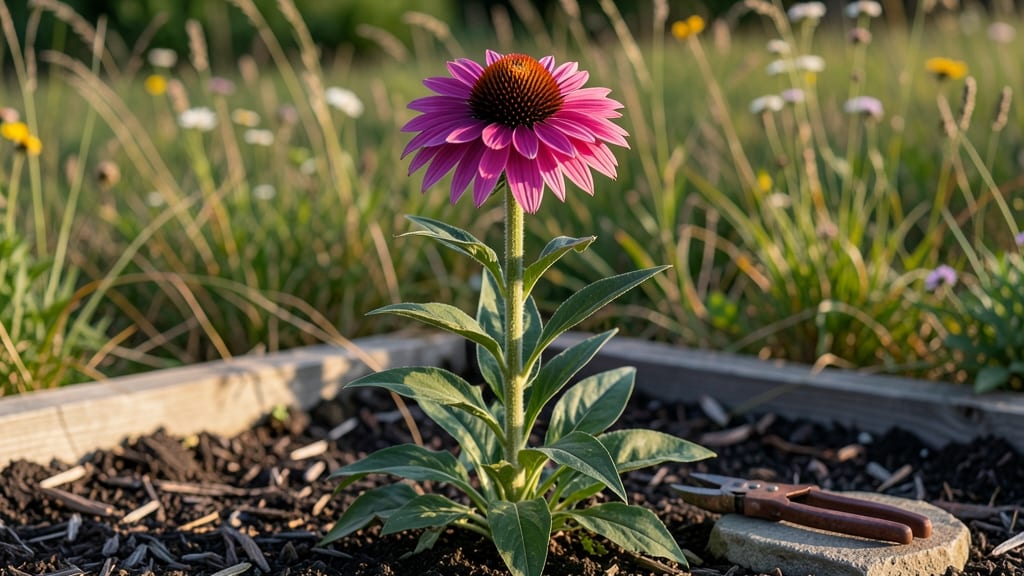
Double coneflower plants are the unsung heroes of pollinator gardens—those bold, layered blooms draw bees, butterflies, and hummingbirds while adding year-round interest to your landscape.
I planted mine last spring after struggling with single coneflowers that flopped in heat, and now they're the star of my late-summer garden, with dahlias taking over by October. The secret? Their ruffled petals hold up better in humidity, and the seed heads stay decorative through winter frost.
These plants thrive in average garden soil—no fancy amendments needed—but they reward you for full sun exposure (at least 6 hours daily). Watering is easy: keep soil evenly moist during the first growing season, then let them dry out slightly between waterings once established.
Most gardeners overlook pruning, but cutting back spent blooms in early fall encourages next year's flowers while keeping the plant tidy.
What sets double coneflowers apart is their pollinator magnet status—they're three times more attractive to bees than single varieties, and the extra petal layers protect flowers from rain damage. You'll see butterflies hovering all afternoon and hummingbirds darting between stems.
The trade-off? They're slightly shorter (24-36 inches) than single coneflowers, but the dense blooms more than make up for it.
For propagation, simply snip off seed heads in late fall, let them dry, then scatter seeds in spring—they self-sow like crazy. If you want to divide clumps, do it in early spring before new growth appears.
Double coneflowers handle drought, poor soil, and deer browsing better than most perennials, making them the low-maintenance powerhouse of the garden.
📚 In This Guide
- What you need
- Instructions
- Tips and common mistakes
- Wrapping up and next steps
What you need
- ● Double coneflower seeds or nursery-grown plants: Seeds: 10–20 seeds (or a small packet for beginners)
- ● Transplants: 3–5 mature plants (spaced 12–18 inches apart)
- ● Well-draining potting mix or garden soil: 1–2 cubic yards (or a 5-gallon bag for containers)
- ● Compost or organic fertilizer: 1–2 cups (5–10% nitrogen blend, like 10-10-10)
- ○ Mulch (optional but recommended): Straw, shredded bark, or pine needles (2–3 inches thick)
- ● Garden trowel or hand shovel (for transplanting or dividing)
- ● Pruners or sharp scissors (for trimming dead blooms or dividing roots)
- ● Watering can or hose with a gentle spray nozzle
- ○ Gloves (optional) (to protect hands from thorns or soil)
- ○ Container or raised bed (optional): 5–10 gallon pots with drainage holes (if growing in containers)
- ● Sunlight: Full sun (6+ hours daily) for best blooms and growth
- ● Hardiness zone: 3–9 (check your local zone here)
- ● Watering schedule: 1–1.5 inches per week (adjust for drought or rain)
- ● Patience: Seeds take 60–90 days to germinate; transplants bloom in the first year!
How to plant and maintain double coneflower for season-long pollinator support
These hardy perennials thrive with minimal fuss once you nail a few key steps.
Choose the Perfect Planting Location
Double coneflowers adore full sun—at least 6-8 hours daily—but they tolerate partial shade in hotter climates. I always scout the site first: look for areas where other perennials like black-eyed Susans or lavender already thrive, as those conditions suit coneflowers too. Avoid low spots where water pools after rain, as their roots despise soggy soil.
Their deep taproots need room to establish, so space plants 2-3 feet apart in well-draining soil. Amend heavy clay with 2-3 inches of compost before planting to improve drainage. You'll know you've picked the right spot when the first year's foliage grows lush and upright rather than leggy or flopping.
Prepare Soil and Plant Correctly
Double coneflowers aren't picky about soil pH but perform best in slightly acidic to neutral conditions (pH 6.0-7.0). Work 2-3 inches of compost into the top 6 inches of soil at planting time. This ensures roots have organic matter for the first critical growth phase. I like to mix in a handful of bone meal at planting too—it provides phosphorus for strong root development.
Dig a hole twice as wide as the root ball but only as deep as the container's base. Gently loosen any circling roots before placing the plant in the hole. Fill around the roots with native soil, pressing lightly to remove air pockets. Water deeply immediately after planting to settle the soil and encourage root-to-soil contact. The plant will tell you it's happy when new leaves emerge within 2-3 weeks.
Water and Mulch for First-Year Establishment
Water newly planted coneflowers deeply once a week during the first growing season, providing 1-2 inches of water each time. You'll know you're watering correctly when the soil feels moist 3-4 inches down—stick your finger in to check. Overwatering causes rot, so resist the urge to water lightly every few days. Let the top 1-2 inches of soil dry out between waterings after the first month.
Apply 2-3 inches of mulch (like shredded bark or straw) around each plant, keeping it 2 inches away from the stem. This conserves moisture, regulates soil temperature, and suppresses weeds. I always use organic mulch because it breaks down slowly, adding nutrients to the soil over time. By late summer, you'll notice the plants developing their signature ruffled double blooms—that's your reward for proper care.
Maintain Through the Growing Season
Fertilize lightly in early spring with a balanced 10-10-10 formula or compost tea. Too much nitrogen produces lush foliage but fewer flowers. I skip fertilizer entirely in the second year unless the plants look weak. Deadhead spent blooms in early fall to encourage a second flush of flowers, but leave some seed heads for winter interest and pollinators.
Divide established clumps every 3-4 years in early spring or fall. Dig up the entire plant, separate the roots, and replant sections immediately. You'll know it's time to divide when the center of the plant becomes bare and flowering declines. Double coneflowers handle this well, often producing even more vigorous growth after division.
Prepare for Winter and Next Season
Coneflowers are cold-hardy and need no winter protection in most climates. Cut back the foliage to 2-3 inches in late winter or early spring, right before new growth appears. This prevents disease and makes the plants look tidy. I always leave some seed heads standing for winter interest and to feed birds.
In early spring, apply a 1-inch layer of compost around the base of each plant. This replenishes nutrients and encourages robust new growth. You'll see fresh green leaves emerge within 3-4 weeks, signaling the start of another beautiful season. The key to long-term success is minimal intervention—just good soil, proper spacing, and occasional deadheading.
Tips & tricks for perfect double coneflower planting
Took me years of trial and error to perfect these coneflower-growing secrets—here's how to avoid my mistakes and get stunning blooms every season.
Sunlight Strategy: While 6-8 hours of sun is ideal, I've found that coneflowers in partial shade (especially in hot climates) actually produce slightly larger blooms if given afternoon shade. The key is morning sun exposure—this gives them energy for photosynthesis while preventing afternoon stress. If your site gets intense afternoon sun, consider planting near taller perennials that provide natural shade.
Soil Preparation Secret: The 2-3 inches of compost recommendation is non-negotiable, but here's what nobody tells you: mix in a handful of wood ash (from untreated wood) when planting to naturally raise soil pH slightly toward neutral. This helps counteract acidic soils and gives your coneflowers that perfect pH 6.0-7.0 range. Just a teaspoon per plant is enough—too much can make soil too alkaline.
Watering Wisdom: That 1-2 inches of water per week guideline works perfectly in most climates, but I've learned to adjust based on rainfall. After the first month, let the top 1-2 inches dry out between waterings—but here's the trick: water in the morning. This gives foliage time to dry completely before evening, preventing fungal issues. I've seen coneflowers develop powdery mildew when watered in the evening, even with proper spacing.
Mulch Mastery: The 2-3 inches of mulch does wonders, but I've found that straw mulch works better than bark in hotter regions because it breaks down faster and adds organic matter more quickly. The critical detail is keeping mulch 2 inches away from stems to prevent rot. I also like to refresh the mulch layer in early spring—this gives you that fresh 1-inch compost application without double work.
Pro Tips for Double Coneflower Plants
- Took me years of trial and error to perfect these coneflower-growing secrets—here's how to avoid my mistakes and get stunning blooms every season.
- Sunlight Strategy: While 6-8 hours of sun is ideal, I've found that coneflowers in partial shade (especially in hot climates) actually produce slightly larger blooms if given afternoon shade.
- This helps counteract acidic soils and gives your coneflowers that perfect pH 6.0-7.0 range.
Frequently asked questions
Got questions about growing and caring for double coneflower plants? You're not alone! Here are some of the most common queries—plus expert answers to help you cultivate these stunning pollinator magnets with ease.
How do I know if my double coneflower is healthy?
A thriving double coneflower has deep green, sturdy foliage and upright stems with vibrant blooms. Watch for yellowing leaves (overwatering) or wilted flowers (underwatering). Pests like aphids or powdery mildew (white fuzzy spots) can also signal trouble—treat with neem oil or insecticidal soap if needed.
When is the best time to plant double coneflower?
For spring planting, aim for early spring after the last frost (around April–May in most zones). Fall is also ideal—plant 6–8 weeks before the first frost (typically September–October) to give roots time to establish. Double coneflowers tolerate transplanting well, so don’t rush!
Can double coneflowers grow in containers?
Choose a container at least 12–18 inches deep with drainage holes. Use a well-draining potting mix and pair them with shallow-rooted companions like salvia or catmint. Place in full sun (6+ hours/day) and water when the top inch of soil feels dry. Just be prepared to divide and repot every 2–3 years.
Why aren’t my double coneflowers attracting pollinators?
Double coneflowers are sterile (they don’t produce seeds), but they still draw bees and butterflies with their bright petals and nectar. If pollinators are scarce, check for:
These hardy perennials (zones 3–9) are low-maintenance in winter. Cut back dead foliage in late winter/early spring (just above the crown) to encourage new growth. In extreme cold (below 0°F), add a light mulch layer (2–3 inches) of straw or leaves to protect roots. No need for extra shelter!
Try planting native wildflowers nearby to boost pollinator traffic!
Do double coneflowers need winter care?
Wrapping up and next steps
Double coneflower plants are a game-changer for any garden—offering stunning blooms, year-round interest, and a lifeline for pollinators. Whether you're a seasoned gardener or just starting out, their low-maintenance charm and resilience make them a must-have. 🌼
Ready to transform your outdoor space? Start by selecting the perfect spot, gathering your supplies, and planting with confidence. Then, sit back and enjoy the show as your garden becomes a buzzing hub for bees, butterflies, and birds! 🐝✨