
Pests
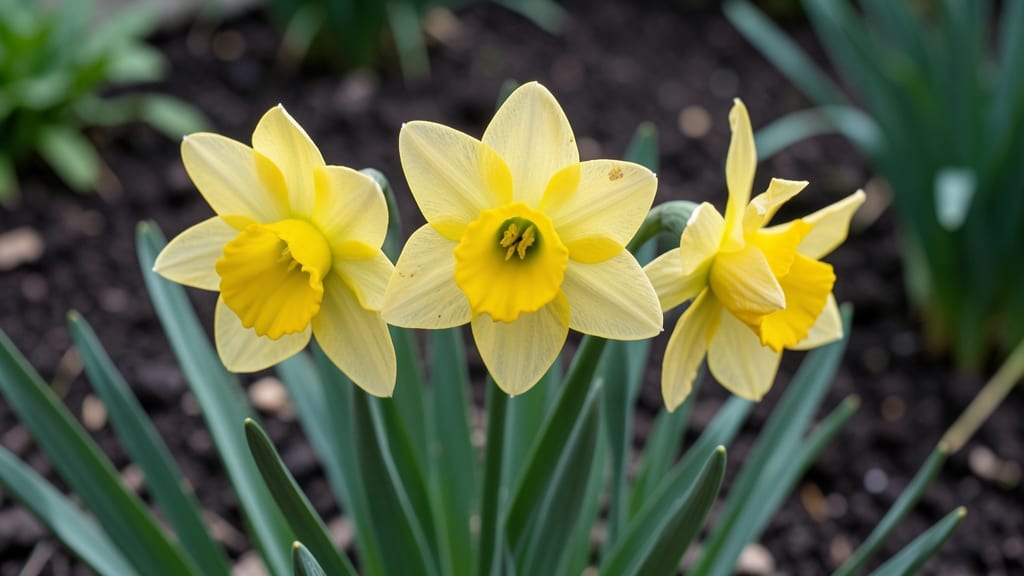
My first deer-resistant spring flowers transformed my yard from a buffet into a fortress—daffodils, bleeding hearts, and lavender thrived while deer left them alone. 🌷 The secret isn’t just picking the right plants; it’s understanding why deer avoid them and how to arrange them for maximum impact.
These flowers work because they’re toxic, fragrant, or simply unappealing to deer. Planting them in clusters near high-traffic areas creates a natural barrier, while their vibrant colors add beauty without sacrificing functionality. A mix of bulbs, perennials, and shrubs ensures year-round protection.
By late spring, you’ll have a garden that’s both stunning and deer-proof—bold blooms that repel pests while drawing in pollinators. The key is layering plants strategically, so even if deer nibble, they’ll move on quickly.
Works in any yard, from small city plots to sprawling rural gardens. Let’s design a space that thrives without the constant battle.
📚 In This Guide
- What you need
- Instructions
- Tips and common mistakes
- Wrapping up and next steps
What you need
- ● Deer-resistant spring flower seeds or plants: 5–10 packets of daffodils (e.g., 'Ice Follies' or 'Tête-à-Tête')
- ● 3–5 bleeding heart (Dicentra spectabilis) plants
- ● 5–8 foxglove (Digitalis purpurea) plants
- ● 10–15 allium (Allium spp.) bulbs (e.g., 'Purple Sensation')
- ○ 3–5 lamb’s ear (Stachys byzantina) plants (optional but deer-deterrent)
- ● Soil amendments: 5 lbs. compost or well-rotted manure
- ● 2 lbs. bone meal (for bulb plants)
- ● Planting tools: 1 garden trowel (for small bulbs/seeds)
- ● 1 hand fork (for loosening soil)
- ● 1 watering can (1–2 gallons, with a rose attachment)
- ● Mulch: 2–3 bags pine straw or wood chips (for deer deterrence)
- ○ Fencing (optional but recommended):strong> 6–8 ft. deer-resistant fencing (e.g., 8-ft. tall wire mesh or electric tape)
- ● Stakes and zip ties (if DIY-ing fencing)
- ● Deer repellents: 1–2 bottles commercial deer repellent spray (e.g., Liquid Fence)
- ● 5–10 deer-resistant plants like Russian sage (Perovskia atriplicifolia) or yarrow (Achillea)
- ● Visual deterrents: 1–2 motion-activated sprinklers (e.g., ScareCrow)
- ● Reflective tape or old CDs (hang in trees for a "scary" effect)
- ● Garden decor: 1–2 deer-proof bird feeders (to attract predators like hawks)
- ● Rocks or garden ornaments (deer dislike crunchy textures)
How to design a deer-resistant spring flower garden
Here's how to create a vibrant spring display that deer will bypass—naturally.
🌱 Step 1: Choose the Right Deer-Resistant Varieties
Start with plants deer find unappealing due to scent, texture, or toxicity. My top picks for bold spring color include daffodils (they contain lycorine, which deer avoid), bleeding heart (mildly toxic foliage), and lupines (bitter compounds deter browsers). I also include alliums—their strong onion scent repels deer while attracting pollinators.
For height and structure, add foxglove (cardiac glycosides make it unpalatable) and columbine (foliage contains compounds deer dislike). Mix these with salvia varieties—their fuzzy leaves and strong fragrance create a natural barrier. Avoid traditional favorites like tulips and hostas, which deer find irresistible.
☀️ Step 2: Create a Multi-Layered Planting Plan
Design your garden in three tiers to maximize deer resistance. Begin with tall plants (3-4 feet) like foxglove and lupines at the back. Their height creates visual interest while making the garden less accessible to deer browsing at ground level. Next, add mid-height plants (18-24 inches) such as bleeding heart and columbine to fill the middle layer.
Finish with ground covers and low growers (6-12 inches) like daffodils and alliums. This layered approach disrupts deer's ability to target specific plants easily. I space each plant 12-18 inches apart to allow airflow, which reduces fungal diseases that stressed plants attract—stressed plants are more likely to be browsed.
💧 Step 3: Enhance Natural Deer Deterrents
Plant deer-repelling companion plants strategically around your flowerbeds. Russian sage and lavender release strong fragrances that mask the scent of other plants, making your garden less attractive. I also interplant garlic chives and thyme—their pungent aromas create a natural barrier deer avoid.
Add physical deterrents like ornamental grasses (such as fountain grass) to create visual "walls" that break up the garden's accessibility. Deer prefer open spaces where they can easily spot and reach plants. A garden with varied textures and heights becomes less inviting. I also include spiky plants like barberry along borders—their sharp leaves deter deer from entering the space.
✂️ Step 4: Maintain a Healthy, Thriving Garden
Water deeply once weekly during dry spells to keep plants vigorous—healthy plants are less likely to be targeted. I water in the early morning to reduce fungal issues and allow foliage to dry quickly. Fertilize lightly with balanced organic fertilizer in early spring to encourage strong growth without making plants overly tender.
Deadhead spent blooms regularly to encourage continuous flowering and maintain a neat appearance. Remove any damaged or diseased foliage immediately—weak plants are more susceptible to deer browsing. I also rotate plant positions every 2-3 years to prevent soil depletion and keep the garden looking fresh and inviting to pollinators (and less appealing to deer).
Tips & tricks for perfect deer-resistant spring gardens
Common pitfalls—and how to sidestep every one when creating your deer-proof spring paradise.
Layering is Key: When planting your deer-resistant varieties, remember that deer browse at eye level—typically 18-24 inches off the ground. That's why the mid-height plants like bleeding heart and columbine in Step 2 are so crucial. I always add a few extra inches of height to these plants by tucking them behind taller varieties. This creates a natural visual barrier that makes your garden less accessible to deer. Think of it like creating a fortress where deer can't easily spot their favorite snacks.
Scent Strategy: Deer have an incredible sense of smell—about seven times better than ours. That's why Step 3's companion plants like Russian sage and lavender are so effective. I like to plant these around the perimeter of my flowerbeds first, creating a fragrant barrier. The strong aromas mask the scent of your other plants, making the whole garden less appealing. Bonus tip: crush a few leaves of garlic chives or thyme and rub them on the stems of your most vulnerable plants—this adds an extra layer of protection.
Healthy Plants Deter Deer: Deer are more likely to target stressed or weak plants because they're easier to eat. That's why Step 4's maintenance routine is so important. I've found that watering deeply once weekly in the early morning (as specified) creates strong root systems that make plants less tempting. Also, I always fertilize lightly with organic fertilizer—this keeps plants vigorous without making them overly tender, which deer love. Remember, a healthy plant is a deer-resistant plant.
Visual Distractions: Deer are creatures of habit—they prefer open spaces where they can easily spot their food. That's why Step 3's ornamental grasses and spiky barberry are so effective. I like to create "visual walls" using these plants along garden borders. The varied textures and heights make your garden look more complex and less inviting to deer. It's like creating an optical illusion that confuses them—suddenly, your flowers look much harder to reach!
Pro Tips for Deer Resistant Spring Flowers
- Common pitfalls—and how to sidestep every one when creating your deer-proof spring paradise.
- Layering is Key: When planting your deer-resistant varieties, remember that deer browse at eye level—typically 18-24 inches off the ground.
- Scent Strategy: Deer have an incredible sense of smell—about seven times better than ours.
Frequently asked questions
Got questions about keeping deer away while enjoying vibrant spring blooms? Here are some of the most common concerns—and their solutions!
What are the most deer-resistant spring flowers?
Top picks include daffodils, bleeding heart, foxglove, columbine, and lupine. Deer usually avoid these due to their bitter taste or toxic properties. Pair them with fragrant herbs like lavender or rosemary for extra protection!
When is the best time to plant deer-resistant flowers?
For spring blooms, plant in early fall (6–8 weeks before frost) or early spring (as soon as soil is workable). This gives roots time to establish before deer browsing peaks. Mulch lightly to deter nibbling while roots grow.
Why do deer still eat my "deer-resistant" flowers?
Deer may sample plants if other food is scarce. Hungry deer or young fawns are more likely to nibble. Try physical barriers (fencing, mesh) or repellents (like garlic-based sprays) for extra defense. Rotate plants yearly to confuse them!
Are there any alternatives if deer destroy everything?
Yes! Opt for tough perennials like black-eyed Susans, Russian sage, or sedum. Deer often ignore these due to their texture or scent. For instant color, use annuals like marigolds or geraniums—they’re less appealing and easy to replace.
Pro Tip: How can I make my garden less appealing to deer?
- Remove food sources: Clean up fallen fruit, birdseed, or pet food.
- Use motion-activated sprinklers: Startles deer without harm.
- Plant in clusters: Deer are less likely to browse dense groupings.
- Try companion planting: Mix alliums or fritillaries near vulnerable plants—their strong scent deters deer.
Wrapping up and next steps
Transforming your garden into a deer-resistant paradise doesn’t mean sacrificing beauty—it just means getting smart with your blooms! 🌸 From fragrant lavender to striking daffodils, these spring flowers prove that nature’s best defenses are often the most elegant.
With the right plants and a little planning, you’ll enjoy a vibrant, low-maintenance garden that even the hungriest deer will skip over.
Ready to take the next step? Start small—pick 1-2 deer-resistant varieties to test in a sunny spot, then expand as you see what thrives. Happy planting, and may your garden flourish without the nibbles! 🌱✨