
Plants
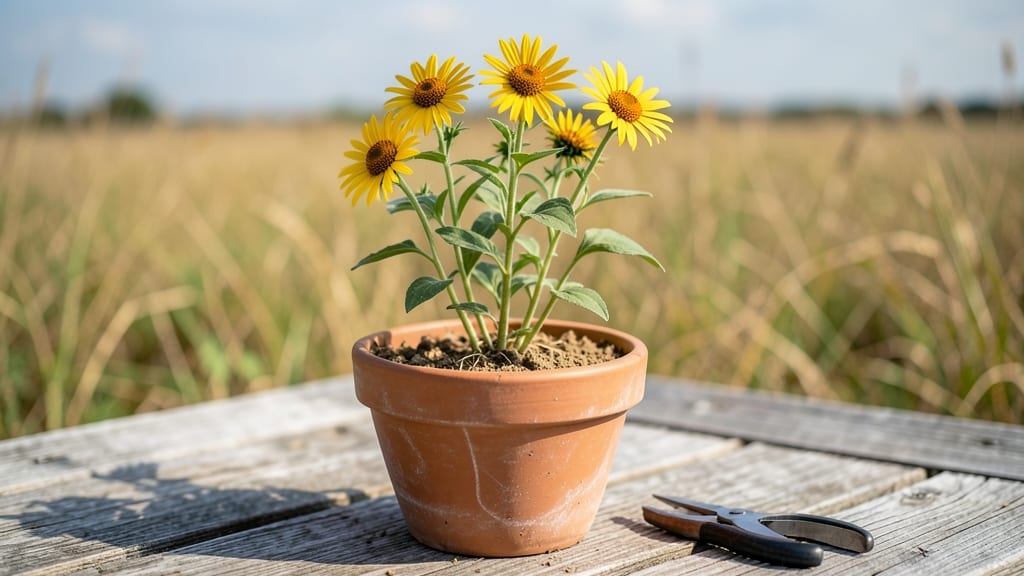
That daisy that looks like a sunflower is Gerbera daisies—your bold, sunflower-sized drama with effortless charm. 🌼 These 3- to 5-inch blooms burst in fiery oranges, deep reds, and golden yellows, grinning like sunflowers with a daisy’s joy.
The difference? They thrive in partial shade and keep blooming all summer long with minimal fuss.
What makes them special is their versatility—plant them in containers for patio pops of color, or tuck them into borders where their bright faces will catch sunlight like tiny beacons.
They’re tougher than they look too: deer usually skip them, and they bounce back from heat waves that would wilt other flowers. For a sunflower look without the fuss, these are the golden ticket.
Imagine a border where their vibrant petals spill over edges, or a container where their cheerful faces turn toward the sun. They pair beautifully with lavender for height contrast or salvia for a purple-and-gold combo that feels like a summer party.
The best part? You’ll get nonstop blooms from early summer until frost—no waiting for sunflowers to mature.
They do best in well-draining soil and 6+ hours of sun, but they’ll tolerate partial shade if your summers are scorching. For extra-long blooms, deadhead spent flowers every few days—it’s the only maintenance they’ll ask for. Once you try them, you’ll wonder why you ever grew sunflowers at all.
📚 In This Guide
- What you need
- Instructions
- Tips and common mistakes
- Wrapping up and next steps
What you need
- ● Seeds: Gerbera daisy (Gerbera jamesonii) seeds (choose a variety with golden-yellow petals, like 'Golden Giant' or 'Sunburst'). 10-20 seeds for a small patch.
- ● Potting Mix: Well-draining, peat-free potting soil (or a blend of 50% garden soil + 50% compost). 1-2 bags (2-4 cubic feet) for planting.
- ● Containers or Garden Bed: Containers: 5-7 inch diameter pots (with drainage holes) for each plant. 3-5 pots for starters.
- ● Garden Bed: Full sun (6+ hours/day) and loose, well-aerated soil.
- ● Fertilizer: Balanced, slow-release granular fertilizer (10-10-10 or 20-20-20). 1 cup per 10 sq ft of garden bed.
- ● Planting Tools: Hand trowel or small spade
- ○ Garden gloves (optional but recommended 😉)
- ● Watering Supplies: Watering can or hose with a gentle spray nozzle
- ● Misting bottle (for seedling care)
- ○ Optional Extras: Mulch (straw or shredded bark) to retain moisture
- ● Plant labels (to track varieties)
- ● Grow lights (if starting indoors in low-light conditions)
How to grow a stunning daisy-sunflower hybrid with year-round blooms
Here's the method I've used to create striking, sunflower-like daisy displays that keep blooming all year.
🌱 Step 1: Select the Right Variety and Planting Location
Look for Gerbera daisies in vibrant gold or orange hues—they're the closest daisy cousins to sunflowers in appearance. These thrive in full sun (at least 6 hours daily) and well-draining soil. I always plant mine in raised beds to prevent waterlogging, which these sunflower-like beauties hate.
The key is choosing a sheltered spot where they won't get blasted by strong winds. You'll see the biggest, most sunflower-like blooms when plants get consistent afternoon sun. If your climate has harsh winters, plant in spring after last frost—these daisies are tender and won't survive freezing temperatures.
🪴 Step 2: Prepare the Soil and Plant Properly
Amend your soil with 2-3 inches of compost mixed into the top 6 inches of soil. Gerbera daisies need rich, slightly acidic soil (pH 6.0-6.5) to produce their bold, sunflower-like blooms. I always test my soil first—you can pick up a simple kit at any garden center for about $10.
Plant your daisy tubers or plugs 12-18 inches apart in rows 18-24 inches apart. Dig holes just deep enough to cover the roots but leave the top of the tuber above soil level. Water deeply right after planting—this helps settle the soil and eliminates air pockets around the roots.
☀️ Step 3: Maintain Consistent Watering and Fertilizing
Water at the base of plants every 2-3 days during hot weather, keeping the soil evenly moist but never soggy. You'll know you're doing it right when the soil feels like a damp sponge—no puddles, no bone-dry clumps. Overwatering is the #1 reason these sunflower-like daisies fail.
Feed every 4-6 weeks with a balanced liquid fertilizer (10-10-10 ratio). I like to mix mine with water and apply it directly to the soil in the morning. This prevents leaf burn and gives the plants a steady energy boost for continuous blooming. Deadhead spent blooms immediately—they'll reward you with nonstop golden flowers all season.
✂️ Step 4: Prune and Protect for Year-Round Blooms
Trim back leggy stems to encourage bushier growth and more sunflower-like blooms. Cut just above a set of healthy leaves using clean, sharp pruners. I always sterilize my tools with rubbing alcohol first—this prevents fungal infections that can kill these tender plants.
For winter blooms in mild climates, wrap plants in burlap during cold snaps. In colder zones, dig up tubers after first frost, store them in dry peat moss, and replant next spring. The secret to year-round blooms is protecting them from temperature swings—these sunflower-like daisies will keep producing as long as they stay happy and healthy.
⏰ Step 5: Extend the Season with Simple Tricks
To get fall blooms, plant a second batch in late summer. These late-season plants will keep flowering until hard frost. For spring blooms, start tubers indoors 8-10 weeks before last frost under grow lights—this gives you a head start on the season.
Here's the thing—these sunflower-like daisies will reward you best when you pay attention to their needs. Watch for yellowing leaves (too much water) or brown edges (not enough). With proper care, you'll have a bold golden canopy that lasts from spring through fall—and maybe even winter in warm climates.
Tips & tricks for growing sunflower-like daisies
Here's what I learned after years of growing these showstopping golden blooms that rival sunflowers.
Sunlight Strategy: Those 6 hours of daily sun are non-negotiable for that sunflower-like boldness. I've found the afternoon sun (2-6 PM) is most critical—this is when the blooms develop their richest color. If your garden gets afternoon shade, consider using grow lights for 4-6 hours daily during the plant's flowering stage to maintain that golden intensity.
Soil Secret: The 6.0-6.5 pH range isn't just a number—it's what unlocks those vibrant colors. I've seen duller blooms when soil pH drifts outside this range. Test your soil before planting (that $10 kit is worth it!) and amend with sulfur if your soil tests too alkaline. For extra insurance, mix in 1/4 cup of peat moss per planting hole along with the 2-3 inches of compost—this helps maintain that perfect acidity.
Watering Wisdom: The 2-3 days between waterings can be tricky—too much and you'll get yellow leaves, too little and blooms fade. I check soil moisture by sticking my finger 2 inches deep—if it feels dry, it's time to water. For container plants, I've found they need watering every other day in hot weather because they dry out faster. Always water at the base to avoid wetting the leaves, which can lead to fungal issues.
Pruning Payoff: Don't be afraid to get aggressive with those leggy stems! Cutting back 1/3 of the plant's height encourages bushier growth and more sunflower-like blooms. I always prune in the morning when the plants are fully hydrated—this reduces stress. After pruning, give your plants a light fertilizer application (half-strength) to help them recover quickly and produce even more vibrant blooms.
Pro Tips for Daisy That Looks Like Sunflower
- Here's what I learned after years of growing these showstopping golden blooms that rival sunflowers.
- Sunlight Strategy: Those 6 hours of daily sun are non-negotiable for that sunflower-like boldness.
- Soil Secret: The 6.0-6.5 pH range isn't just a number—it's what unlocks those vibrant colors.
Frequently asked questions
Got questions about growing a daisy that looks like a sunflower?
Here are some of the most common ones—and their answers!
What’s the best daisy variety that resembles a sunflower?
The Gerbera Daisy (especially Gerbera jamesonii) is the closest match! Its bold, sunflower-like blooms come in golden, orange, and even deep red hues. For a true "sunflower daisy," opt for Gerbera 'Sunburst'—it’s a crowd-pleaser with cheerful, long-lasting flowers.
How long does it take for these daisies to bloom?
With proper care, Gerbera daisies can bloom 8–12 weeks after planting seeds (or sooner if you start with young plants). If grown from cuttings or nursery starts, expect vibrant blooms in 6–8 weeks. Patience pays off—these beauties reward consistency with year-round color in warm climates!
Can I grow this daisy in pots? What size container do I need?
Gerbera daisies thrive in containers—just ensure the pot has drainage holes and is at least 10–12 inches wide per plant. For a sunflower-like display, group 3–5 plants in a larger pot (14+ inches). Use well-draining soil and place them in full sun (6+ hours/day) for the biggest blooms.
Why aren’t my sunflower-like daisies blooming? Troubleshooting tips!
No flowers? Check these fixes:
- Not enough sun: Move to a sunnier spot (they need 6+ hours of direct light).
- Overcrowding: Thin out plants—Gerberas need space (12–18 inches apart).
- Over-fertilizing: Too much nitrogen = leafy growth, fewer blooms. Use a low-nitrogen, high-phosphorus fertilizer instead.
- Drought stress: Keep soil consistently moist (but not soggy).
Are there alternatives to Gerbera daisies for sunflower-like flowers?
If Gerberas aren’t your style, try these sunflower-inspired daisies:
- Oxeye Daisy (Leucanthemum vulgare) – Classic white-and-yellow blooms, drought-tolerant.
- African Marigold (Tagetes erecta) – Bold, golden-orange flowers (great for pollinators!).
- Zinnia (Zinnia elegans) – Sunflower-shaped blooms in every color; super easy to grow!
- False Sunflower (Heliopsis helianthoides) – Native perennial with long-lasting, sunflower-like flowers.
Wrapping up and next steps
Transforming your garden into a golden paradise with Gerbera daisies—those sunflower-like beauties—is easier than you think! 🌻 These vibrant blooms bring year-round color, low-maintenance joy, and a bold statement to any space.
Whether you’re a seasoned gardener or a beginner, their cheerful faces will reward your efforts with minimal fuss.
Ready to dive in? Start by choosing your spot—sunny and well-drained is key—and grab those seeds or plants. Then, follow the simple steps to nurture them into a dazzling display. Your garden (and your neighbors!) will thank you for the sunshine in a petal.