
Flowers
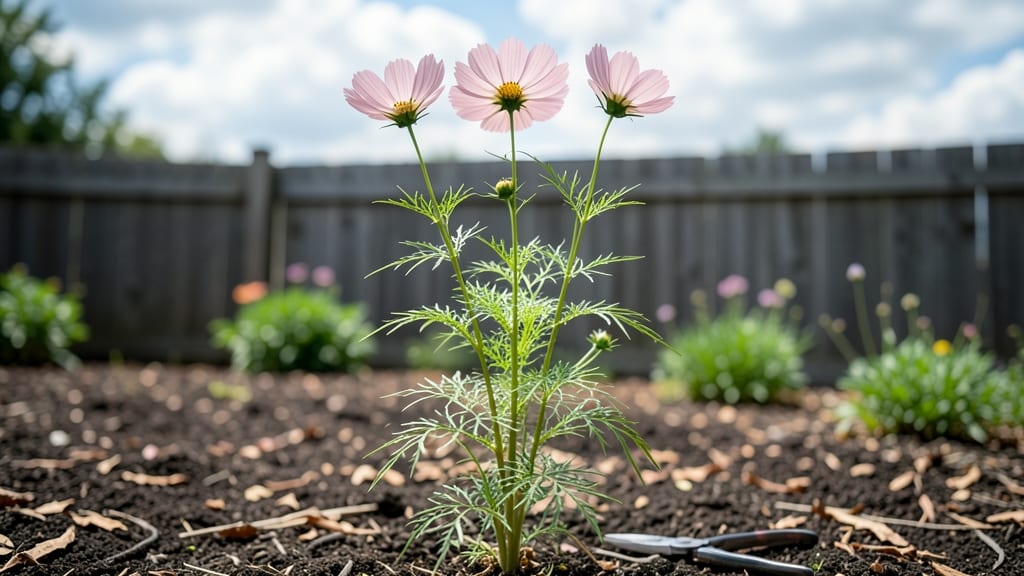
Growing cosmos annual flowers is the easiest way to fill your garden with effortless, sun-drenched blooms that last all season. I planted my first batch three years ago after seeing them in a neighbor’s yard—tall, airy stems bursting with pink and white flowers that never stopped coming.
The secret to their nonstop performance isn’t complicated: three simple trims keep them blooming from early summer until frost, and they thrive on neglect.
These cheerful flowers need almost nothing to succeed: a sunny spot, well-draining soil, and occasional watering. I’ve grown them in everything from raised beds to cracked clay pots, and they’ve never complained.
The key varieties—like ‘Sensation’ and ‘Bright Lights’—are bred for cut flowers, so you’ll get bouquets that last a week in vases. Plus, bees and butterflies adore them, turning your garden into a pollinator party.
By mid-July, you’ll see the first flush of blooms, and with each trim, the plants respond by shooting up new stems. The flowers stay vibrant even in heat waves, and the foliage has that feathery texture that makes them irresistible to touch.
Once you’ve mastered the three-trims method, you’ll wonder why you ever bought store-bought flowers.
They’re perfect for beginners, small spaces, and even container gardens—just give them six hours of sun and forget about them. Here’s how to get started without overcomplicating things.
📚 In This Guide
- What you need
- Instructions
- Tips and common mistakes
- Wrapping up and next steps
What you need
- ● Cosmos seeds: 1 packet (50–100 seeds, non-GMO preferred for organic gardening). Choose varieties like 'Bright Lights' or 'Sensation' for bold colors!
- ● Well-draining potting mix: 10–20 lbs (for containers) or till into garden beds (for in-ground planting). Opt for a blend with compost for nutrient-rich soil.
- ○ Containers (optional): 5–10-inch pots (if starting indoors) or 1-gallon containers (for balcony/patio growing). Ensure drainage holes are present!
- ● Garden trowel or transplanter: 1 (for sowing seeds or transplanting seedlings).
- ● Watering can or hose with a gentle spray nozzle: 1 (cosmos hate soggy roots—keep watering light but consistent!).
- ● Pruning shears: 1 (sharp, bypass-style for clean cuts during trims).
- ○ Fertilizer (optional but recommended): Balanced 10-10-10 or 20-20-20 fertilizer (1 lb) for early growth.
- ● Low-nitrogen, high-phosphorus fertilizer (e.g., 5-10-10, ½ lb) to encourage blooming.
- ● Sunlight: Full sun (6+ hours daily). Cosmos thrive in hot, sunny spots—think south-facing or west-facing locations.
- ● Temperature: Warm soil (60°F+). Start seeds indoors 4–6 weeks before last frost or sow directly after soil warms in spring.
- ● Spacing: 12–18 inches apart (for in-ground) or 6–8 inches apart in containers (they self-seed easily!).
- ○ Deadheading tools (optional): Gloves (to protect from thorns on some varieties) and a small bucket for spent blooms.
How to prune cosmos annuals for nonstop blooms
Here's the simple system I use to keep cosmos flowering all season long.
Identify the Right Time for First Trim
Wait until your cosmos plants reach 12-18 inches tall and have 5-7 true leaves—this usually happens 4-6 weeks after sowing. You'll notice the stems are sturdy and the foliage looks mature, not just baby leaves. This is when the plant has enough energy to bounce back with fresh growth.
Use clean, sharp pruning shears to cut back one-third of the plant's height—about 4-6 inches above the base. This might seem drastic, but cosmos are tough and will reward you with bushier growth and more blooms. I always make the cut just above a leaf node so new growth can emerge from there.
Deadhead Spent Blooms for Continuous Flowering
Once flowers start fading and their petals drop, remove the entire spent bloom stem by cutting just above the next set of leaves—this prevents seed formation and redirects the plant's energy into producing new flowers. I check my cosmos every 2-3 days during peak bloom time because faded flowers spread quickly.
Don't worry if you miss a few—they'll still produce seeds, but consistent deadheading keeps your plants looking fresh and flowering heavily. The key is to cut at the base of the bloom, not just snip off the dead flower head, which can leave unsightly stems.
Perform Mid-Season Renewal Pruning
About 6-8 weeks after the first trim, your cosmos will likely look leggy again. This is the time for a second light pruning—cut back another 3-4 inches from the top of each stem. You'll see where the plant has grown out and may have some bare stems at the bottom.
This second trim encourages fresh, bushy growth from the base while maintaining the plant's height. After pruning, give your cosmos a light feeding with a balanced fertilizer to support the new growth. Water deeply after pruning to help the plant recover and establish new roots.
Light Fall Pruning to Extend Blooms
As temperatures begin to drop in late summer or early fall, give your cosmos a final light trim—cut back 2-3 inches from the top of each stem. This helps the plant focus its remaining energy on producing more flowers rather than setting seeds for next year.
Cosmos are frost-sensitive, so if your first frost is approaching, you can either cut the plants back hard and enjoy a final flush of blooms or let them go to seed for next year's garden. Either way, you'll have beautiful flowers until the very end of the season.
Tips & tricks for perfect cosmos annual flower care
Here's what nobody tells you about keeping your cosmos blooming nonstop—these tricks have saved my garden from leggy, seed-filled disappointments.
Timing is Everything: The 4-6 week mark for your first trim isn't just arbitrary—it's when your cosmos have built enough energy reserves to handle the cut. I've learned this the hard way after seeing plants struggle when trimmed too early. Wait until you see those sturdy stems and mature leaves before making your first cut above the leaf node. This ensures new growth emerges strong and bushy.
Tool Matters More Than You Think: Using clean, sharp pruning shears isn't just about making neat cuts—it's about plant health. Dull shears crush stems, inviting disease. I sterilize my shears with rubbing alcohol between plants to prevent spreading any potential pathogens. For large batches, I keep a small spray bottle handy to clean blades quickly during pruning sessions.
Deadheading Discipline: That 2-3 day check might seem frequent, but faded flowers spread quickly. I've seen entire cosmos plants go to seed within days if I skip this step. The key is cutting at the base of the bloom stem—not just snipping off dead flowers—which prevents those unsightly stems and keeps energy flowing to new blooms. Think of it as redirecting your plant's energy pipeline.
Seasonal Strategy: The mid-season renewal pruning at 6-8 weeks isn't just about looks—it's about resetting your plant's growth cycle. After cutting back 3-4 inches, I always water deeply and add a light fertilizer. This gives your cosmos the push they need to produce that second flush of blooms. The fall trim at 2-3 inches helps extend the season by preventing seed formation when days grow shorter.
Pro Tips for Cosmos Annual Flower
- Here's what nobody tells you about keeping your cosmos blooming nonstop—these tricks have saved my garden from leggy, seed-filled disappointments.
- Timing is Everything: The 4-6 week mark for your first trim isn't just arbitrary—it's when your cosmos have built enough energy reserves to handle the cut.
- Tool Matters More Than You Think: Using clean, sharp pruning shears isn't just about making neat cuts—it's about plant health.
Frequently asked questions
When is the best time to plant cosmos seeds?
Plant cosmos seeds directly in the garden after the last frost when soil temps reach at least 60°F (15°C). They germinate best in warm conditions—no need for indoor starting! For cooler climates, sow in early spring; in warmer zones, late winter works too.
How long does it take for cosmos flowers to bloom?
From seed to flower, cosmos typically take 60–70 days under ideal conditions. With consistent sunlight (6+ hours/day) and well-draining soil, you’ll see vibrant blooms in just two months. Patience pays off—once established, they’ll keep flowering until frost!
Why aren’t my cosmos blooming as much as expected?
Overly lush foliage can steal energy from blooms. Try these fixes:
- Deadhead spent flowers regularly to encourage new buds.
- Ensure 6+ hours of sunlight—cosmos thrive in full sun.
- Check for overcrowding; thin seedlings to 12–18 inches apart.
- Fertilize lightly with low-nitrogen feed (like 5-10-10) if soil is poor.
Can I grow cosmos in containers or small gardens?
Cosmos adapt well to containers (5+ gallons) or small spaces. Use a lightweight, well-draining mix and place pots in full sun. Dwarf varieties like ‘Sensation’ or ‘Bright Lights’ stay compact (12–18 inches tall), perfect for balconies or window boxes.
Are cosmos prone to pests or diseases?
Cosmos are low-maintenance but may attract aphids or spider mites. Combat them with:
- Neem oil spray for soft-bodied pests.
- Encourage beneficial insects (like ladybugs) by planting nearby herbs.
- Ensure good airflow to prevent fungal issues (e.g., powdery mildew).
What colors do cosmos come in, and can I mix varieties?
Cosmos bloom in pinks, whites, purples, oranges, and reds—even bicolors! Mixing varieties adds visual drama to borders or cut-flower arrangements. For height variety, pair tall ‘Seashell’ (3–4 ft) with dwarf ‘Sonata’ (1–2 ft). Pro tip: Plant in odd-numbered clusters for a fuller look!
Wrapping up and next steps
Transforming your garden into a vibrant, year-round cosmos display is simpler than you think! With just three strategic trims and a little care, these cheerful annuals will keep blooming like clockwork—adding color and joy to your outdoor space. 🌸
Ready to dive in? Start small—plant a few cosmos seeds or pots today! Whether you’re a seasoned gardener or a beginner, these hardy flowers will reward your efforts with effortless beauty. Happy gardening! 🌱