
Size
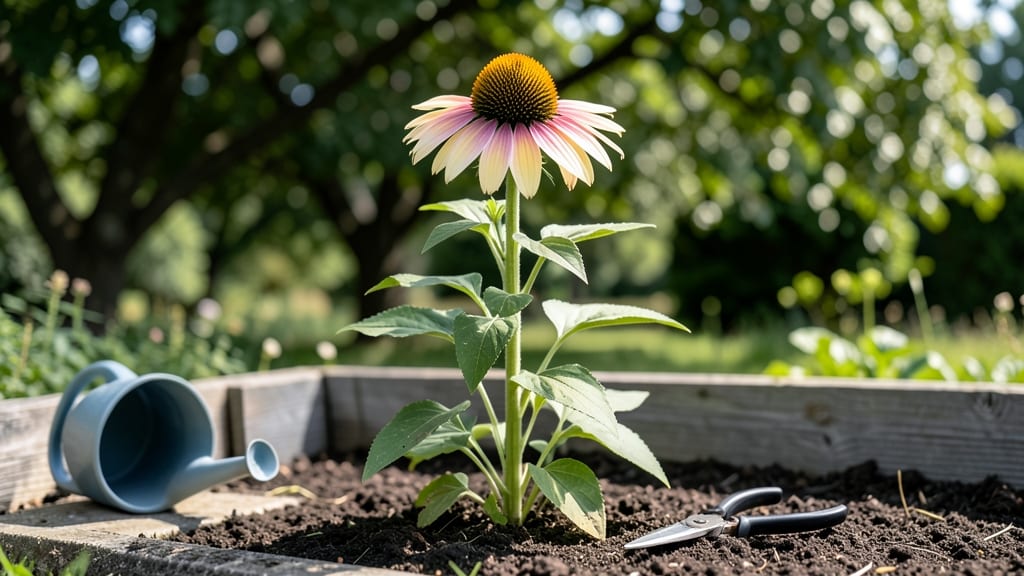
This Coneflower Sunseekers Rainbow isn’t just a flower—it’s a year-round pollinator magnet that turns any garden into a living rainbow. 🌈 I planted mine last spring, and now my late-summer borders hum with bees, butterflies, and hummingbirds, all while the petals shift from soft pink to deep purple as seasons change.
The secret lies in its dwarf, compact habit—perfect for borders, containers, or even edging pathways without overwhelming smaller spaces.
What makes this variety special is how effortlessly it blends into any design. Pair it with lavender for cottage gardens, black-eyed Susans for prairie vibes, or salvia for modern pollinator beds.
It thrives in full sun to part shade and handles drought once established—meaning less watering and more blooms. The blooms stay vibrant from July through frost, and the seed heads add winter texture that birds adore.
You’ll end up with a garden that stays lively all season, from the first blush of spring foliage to the last golden seed pods in winter. The color shifts create a natural gradient, drawing the eye and keeping the space dynamic.
Plus, it’s deer-resistant and disease-free, so you won’t waste time fighting pests or diseases like other coneflowers.
Whether you’re designing a pollinator paradise, a low-maintenance border, or a cottage-style retreat, this coneflower delivers color, movement, and structure with minimal effort. Let’s get it planted—your garden will thank you.
📚 In This Guide
- What you need
- Instructions
- Tips and common mistakes
- Wrapping up and next steps
What you need
- ● Coneflower seeds: Echinacea 'Sunstekers Rainbow' (1 pack of 20-50 seeds, organic preferred)
- ● Well-draining potting mix: 10-15 lbs (or enough to fill 2-3 standard 12-inch pots)
- ● Garden soil (if planting outdoors): Loamy, slightly acidic (pH 6.0-7.0), amended with compost
- ○ Containers (optional for starter plants): 2-3 biodegradable pots (4-inch diameter) or seed trays
- ● Watering can or spray bottle: With a fine mist setting for seedlings
- ● Fertilizer (low-phosphorus): 5-10-5 or organic compost tea (1 tbsp per plant at planting)
- ● Mulch: 2-3 inches of shredded bark or straw (to retain moisture)
- ● Gloves: Gardening gloves (to protect hands from thorns)
- ● Trowel or small shovel: For transplanting seedlings
- ● Measuring tape or ruler: To space plants 12-18 inches apart
- ● Sunlight access: Full sun (6+ hours daily) for optimal blooms
- ● Water source: Drip irrigation or hose with gentle spray (avoid overhead watering)
- ● Pollinator-friendly companions: Bee balm, black-eyed Susans, or lavender (plant 1-2 feet away)
- ● Stakes or cages: For tall varieties (if in windy areas)
- ● Slow-release fertilizer granules: For extended nutrient boost
- ● Garden journal: To track blooming cycles and pollinator visits!
Step-by-Step guide to planting and maintaining sunseeker coneflowers
Here's how to cultivate these vibrant pollinator magnets for bold, long-lasting blooms.
🌱 Step 1: Choose and Prepare the Planting Site
Sunseeker coneflowers thrive in full sun—select a location receiving at least 6-8 hours of direct sunlight daily. These plants tolerate a range of soil types but perform best in well-draining, slightly alkaline soil with a pH between 6.0-7.5. Amend heavy clay soils with 2-3 inches of compost to improve drainage and fertility.
Dig a hole slightly wider than the plant's root ball but no deeper. Gently loosen the roots if they appear tightly bound, as this encourages outward growth. The reason we avoid planting too deep is that coneflowers naturally grow low to the ground, and burying the crown too deeply can lead to rot. Instead, mound soil around the base to create a slight elevation.
💧 Step 2: Plant and Water for Establishment
Place the coneflower in the hole, ensuring the top of the root ball sits level with the surrounding soil. Fill the hole with native soil, pressing gently to eliminate air pockets. Water immediately after planting to settle the soil and remove any air gaps around the roots. You'll know you've done it right when the soil surface looks slightly damp but not glistening.
For the first 2-3 weeks, water deeply 2-3 times per week until the plants show signs of new growth. This initial watering helps establish roots in the new environment. Avoid overhead watering once the plants are established, as wet foliage can encourage fungal diseases. Instead, water at the base to keep the roots consistently moist.
☀️ Step 3: Provide Ongoing Care for Pollinator Appeal
Once established, coneflowers are remarkably drought-tolerant, but they'll produce more vibrant blooms with regular watering during dry spells. Mulch around the base with 2-3 inches of organic mulch to retain moisture, suppress weeds, and regulate soil temperature. I like to use shredded bark or straw, which breaks down slowly and adds organic matter to the soil over time.
Fertilize lightly in early spring with a balanced, slow-release fertilizer (10-10-10) to encourage lush foliage and abundant blooms. Over-fertilizing can lead to excessive leaf growth at the expense of flowers, which is the whole point of planting these pollinator magnets. You'll see the best results when you skip heavy feeding—coneflowers are naturally low-maintenance perennials.
✂️ Step 4: Prune and Deadhead for Continuous Blooms
Deadhead spent blooms by cutting back the flower stems to just above the first set of healthy leaves. This encourages the plant to produce more flowers and extends the blooming season well into fall. I like to do this every 2-3 weeks during the peak flowering period to keep the plant looking tidy and productive.
In late fall or early winter, cut back the entire plant to 4-6 inches above the ground. This pruning removes dead foliage and encourages fresh, vigorous growth in the spring. Don't worry if the plant looks bare—coneflowers are hardy perennials that will bounce back with new growth once temperatures warm up. This is also the time to divide clumps if they've become overcrowded.
Tips & tricks for perfect coneflower Sunseekers Rainbow
These simple yet game-changing insights will help your pollinator garden thrive with vibrant, long-lasting blooms.
Sunlight Strategy: While coneflowers tolerate partial shade, the 6-8 hours of direct sunlight specified in Step 1 is non-negotiable for the Rainbow variety's full color drama. If your garden only gets 4-5 hours, position plants where they'll receive morning sun plus reflected light from nearby structures or other plants. I've seen dramatic differences in bloom intensity when plants get that extra afternoon light boost.
Soil Science: The slightly alkaline pH range of 6.0-7.5 mentioned in Step 1 is crucial for preventing chlorosis (yellowing leaves) in these vibrant varieties. If your soil tests lower, mix in 1 cup of garden lime per square foot before planting. For heavy clay soils, the 2-3 inches of compost recommendation should be doubled to ensure proper drainage—coneflowers hate soggy roots.
Watering Wisdom: During the critical 2-3 weeks establishment period in Step 2, I've found that watering at the same time each morning helps create consistent moisture levels. Use a rain gauge to measure 1 inch of water per week—this is more than most gardeners realize. The "damp but not glistening" soil test is your best indicator of proper moisture without overwatering.
Pruning Precision: When deadheading every 2-3 weeks as specified in Step 4, use sharp pruning shears to cut just above the first set of healthy leaves. This encourages new growth while preserving the plant's natural shape. I've noticed that cutting at a 45-degree angle prevents water from pooling on the cut surface, reducing disease risk in humid climates.
Pro Tips for Coneflower Sunseekers Rainbow
- These simple yet game-changing insights will help your pollinator garden thrive with vibrant, long-lasting blooms.
- Sunlight Strategy: While coneflowers tolerate partial shade, the 6-8 hours of direct sunlight specified in Step 1 is non-negotiable for the Rainbow variety's full color drama.
- Soil Science: The slightly alkaline pH range of 6.0-7.5 mentioned in Step 1 is crucial for preventing chlorosis (yellowing leaves) in these vibrant varieties.
Frequently asked questions
What’s the best time to plant Sunseekers Rainbow coneflowers?
Plant them in early spring (after the last frost) or early fall for the best root establishment. If you’re in a mild climate, fall planting gives roots time to settle before summer heat. Avoid planting in extreme heat—young plants need time to acclimate!
How much sunlight do these coneflowers actually need?
Full sun (6+ hours daily) is ideal, but they tolerate partial shade (4–6 hours). In hotter climates, morning sun + afternoon shade prevents wilting. If grown in shade, expect slightly shorter stems and fewer blooms—but they’ll still thrive as pollinator-friendly foliage!
How often should I water Sunseekers Rainbow coneflowers?
Water deeply 1–2 times per week during the first growing season to encourage root growth. Once established (after 1–2 years), they’re drought-tolerant—water only during prolonged dry spells. Overwatering can cause root rot, so let soil dry slightly between waterings.
Why aren’t my coneflowers attracting as many pollinators as expected?
Check these fixes:
- Deadhead spent blooms to encourage continuous flowering.
- Ensure no pesticides (neonicotinoids are especially harmful).
- Plant nearby pollinator favorites like bee balm or milkweed.
- Provide a water source (a shallow dish with rocks works!).
Can I grow Sunseekers Rainbow in containers?
Yes! Use a 5-gallon pot minimum with well-draining soil. Place in full sun and water consistently (containers dry out faster). Dwarf varieties (like ‘Magnus’) work best in pots. For year-round color, pair with winter-hardy companions like ornamental grasses or heuchera.
Wrapping up and next steps
Transforming your garden into a vibrant pollinator paradise with Coneflower Sunseekers Rainbow isn’t just about beauty—it’s about creating a thriving ecosystem that delights both you and nature. 🌸 From their drought-resistant charm to their year-round color show, these coneflowers prove that stunning gardens can be effortless and eco-friendly.
Ready to take the next step?
Start by planting a few in your yard or containers this season—whether in sunny beds, rain gardens, or even as cut flowers for your table. Share your blooming success with fellow gardeners or local pollinator groups to inspire even more vibrant spaces!
The Sunseekers Rainbow isn’t just a plant; it’s an invitation to grow, connect, and celebrate nature’s magic. 🌈✨