Lawn
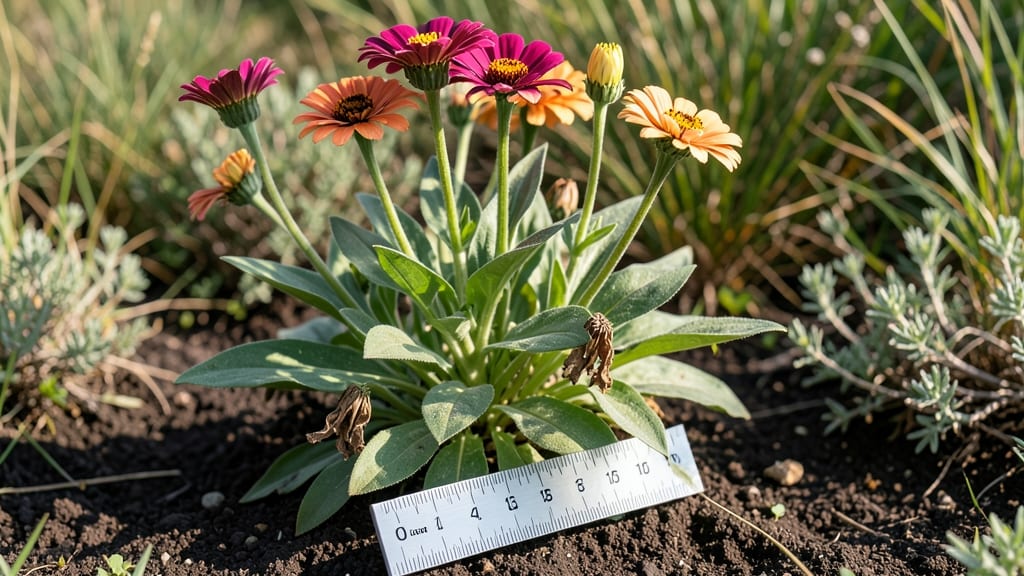
Mastering common flower seed identification can feel like solving a puzzle—especially when sunflower, marigold, and zinnia seeds all look similar at first glance. 🌻 I’ve spent years sorting through seed packets, catalogs, and even mystery packets from last year’s garden, and here’s the trick: focus on three key details—shape, texture, and size—before you even think about planting.
The most common mistakes happen when we confuse smooth, round seeds like black-eyed Susans with ridged, oval seeds like cosmos. A magnifying glass becomes your best friend here—some seeds have tiny hairs or ridges only visible up close.
For example, larkspur seeds look like tiny, wrinkled beans, while snapdragons have a flat, almost shield-like shape. Once you train your eye, you’ll spot these differences instantly.
You’ll start recognizing patterns quickly: marigold seeds are small, ribbed discs, while zinnia seeds are larger, flat, and slightly heart-shaped. Sunflower seeds, of course, are the giants of the bunch—easy to spot but often mixed with coneflower seeds, which are much smaller and papery.
By the end of this guide, you’ll be sorting seeds faster than you can say “germination test.”
Here’s the best part: once you master identification, you’ll know exactly which seeds to store for next year, which to plant immediately, and which might need a little extra care—like soaking or scarification—to break dormancy. Let’s get those seeds sorted and ready to grow!
📚 In This Guide
- What you need
- Instructions
- Tips and common mistakes
- Wrapping up and next steps
What you need
- ● Magnifying glass or hand lens (3x–10x magnification) – Essential for examining fine seed details (e.g., tradescantia vs. coleus seeds).
- ● Ruler or calipers (0.1mm precision) – Measure seed length/width for accurate ID (e.g., marigold seeds vs. zinnia seeds).
- ● White or light-colored tray (12"x18") – Provides a clean background for seed comparison (avoid glossy surfaces).
- ● Fine-tip paintbrush or tweezers – Gently handle delicate seeds (e.g., lobelia or petunia seeds).
- ● Notebook or digital app (e.g., iNaturalist, Seed ID Guide) – Record observations (shape, color, texture).
- ● Seed identification guidebook or printed reference sheets – Focus on 20 common confused species (e.g., cosmos vs. bachelor’s button).
- ● Small containers with lids (3–5 oz) – Store collected seeds in a cool, dry place (label each!).
- ● Digital microscope with camera – Capture high-res images for later analysis (great for tiny seeds like snapdragons).
- ● UV flashlight (365nm) – Reveals fluorescent patterns in seeds (e.g., datura vs. tobacco seeds).
- ● Seed germination kit – Test viability by sprouting seeds (includes moist paper towels, spray bottle).
- ● Field notebook with waterproof pages – For outdoor seed hunting (e.g., wildflower mixes).
- ● Printed color swatch chart – Compare seed hues under natural light (avoid LED bias).
Step-by-step guide to identifying common flower seeds
Here's how to tell your cosmos from your cosmos—no more guessing which packet is which.
🌱 Step 1: Examine Seed Shape and Size
Start by comparing seed shapes—some are round like tiny marbles, others elongated like tiny beans. For example, marigold seeds are small, flat, and oval, often with a ridged texture, while zinnia seeds are tiny, round, and smooth. Hold them up to a bright light or use a magnifying glass to spot subtle differences in texture or color variations.
Size matters too. Sunflower seeds are large and oblong, almost like miniature footballs, while cosmos seeds are tiny, almost dust-like. If you're holding what looks like a pea-sized seed, it's probably a snapdragon or larkspur—both have noticeably larger seeds than most annuals.
🌿 Step 2: Check Seed Packaging and Labels
Always flip the seed packet to find clues. Look for botanical names (like Tagetes for marigolds or Zinnia elegans for zinnias) and seed images—many packets include a small illustration of the mature flower. Pay attention to germination times too: fast-germinating seeds (like basil or lettuce) often look different from slower ones (like dill or parsley).
If the label mentions "hybrid" or "F1," those seeds won’t produce true-to-type flowers if saved for next year. Also, check the seed count per packet—some companies list how many plants you’ll get, which can hint at the seed’s size (e.g., 1,000+ tiny cosmos seeds vs. 50 large sunflower seeds).
✂️ Step 3: Test for Hardiness and Coating
Some seeds have a hard, glossy coating (like morning glory or lupine), while others are soft and papery (like nasturtium). Run your thumb over them—rough or waxy seeds often belong to perennials or self-seeding annuals. Pelleted seeds (coated in a clay or soil mix) are usually easy to handle but may require extra moisture to germinate.
Here’s the thing—if the seeds feel lightweight and hollow, they’re likely feather-like or fluffy (think dandelion or milkweed). These need gentle handling to avoid blowing away. Store them in a small envelope until planting to keep them contained.
💧 Step 4: Compare with Known Seed Samples
If you’re still unsure, lay out a few reference seeds you’ve already identified (like sunflower or marigold) next to the mystery ones. Group them by shape, color, and size—you’ll often spot patterns. For example, poppy seeds are tiny and wrinkled, while hollyhock seeds are larger and have a papery wing.
Use a seed identification app (like "Seed & Plant ID" or "PictureThis") to upload photos. These tools compare your seeds to databases and can confirm traits like leaf shape (which often matches the seed’s parent plant). Real talk: apps aren’t perfect, but they’re a great starting point.
☀️ Step 5: Germinate a Small Batch for Confirmation
Plant a few seeds in small pots with moist potting mix and label them by packet. Watch for first true leaves—these often resemble the mature plant’s foliage. For instance, basil seeds sprout into tiny, rounded leaves, while tomato seedlings have jagged, serrated edges. If you’re growing coleus or impatiens, the leaves may have distinctive patterns or colors.
Keep a planting journal with sketches or photos of the seedlings. Note how fast they grow, their leaf shape, and any early flowers. This becomes your personal seed ID library for next time. And if a seed doesn’t germinate? That’s a clue too—some seeds (like foxglove) need cold stratification (a chilly spell) before sprouting.
Tips & tricks for perfect flower seed identification
Confession: I spent years mixing up my seeds until I learned these key tricks—now I never second-guess again.
Lighting Makes All the Difference: Natural daylight or a bright desk lamp reveals details you’d miss under fluorescent lights. Place seeds on a white surface to see subtle color variations—sunflower seeds, for example, often show faint stripes when held at a 45-degree angle to the light. I keep a small magnifying glass (3x power) on my desk for tricky cases like distinguishing between poppy and hollyhock seeds, where texture is the game-changer.
Texture Testing Technique: Press seeds between your thumb and forefinger—hard, glossy seeds (like lupine) indicate perennials, while soft, papery ones (like nasturtium) are usually annuals. Here's what nobody tells you: if seeds feel slightly sticky when dry, they're likely morning glory seeds, which need special handling. Store these in a sealed container with a damp paper towel until planting.
Seed Storage Strategy: Lightweight, fluffy seeds (think dandelion or milkweed) need special care—transfer them to small envelopes immediately to prevent dispersal. I label these with the date and store them in the freezer for up to 2 years. For pelleted seeds, keep them in their original packaging until planting to maintain moisture balance. The key is preventing oxidation, which ruins germination rates.
Pro Tips for Common Flower Seed Identification
- Confession: I spent years mixing up my seeds until I learned these key tricks—now I never second-guess again.
- Lighting Makes All the Difference: Natural daylight or a bright desk lamp reveals details you’d miss under fluorescent lights.
- Texture Testing Technique: Press seeds between your thumb and forefinger—hard, glossy seeds (like lupine) indicate perennials, while soft, papery ones (like nasturtium) are usually annuals.
Frequently asked questions
Got questions about flower seed ID? You’re not alone!
Here are answers to the most common queries—from germination tips to troubleshooting tricky species.
How do I tell if my flower seeds are still viable?
Test viability by placing seeds in a damp paper towel, sealing them in a bag, and storing them in a warm spot for 5–7 days. If most sprout, they’re good to go! For older seeds, soak them in warm water for 24 hours—floating seeds are likely dead. Pro tip: Store seeds in a cool, dry place to extend shelf life.
Why aren’t my flower seeds germinating after weeks of waiting?
Slow germination often stems from temperature or moisture mismatches. Check your seed packet for ideal conditions (e.g., marigolds need warmth, while snapdragons prefer cool soil). Try a bottom-watering method—place trays in shallow water for 10 mins daily—to avoid over/under-watering. If still stuck, test viability (see above) or try a fresh batch.
Can I plant flower seeds directly in the ground, or do they need starting indoors?
It depends! Hardy annuals (like sunflowers or cosmos) thrive when direct-sown outdoors after the last frost. Delicate perennials (e.g., lavender, peonies) or tropicals (e.g., begonias) must start indoors 6–12 weeks early. Check your zone and seed packet for guidance—overcrowding is a common pitfall with direct sowing!
What if I mixed up my flower seed varieties?
No panic! If seeds look similar (e.g., cosmos vs. zinnia), research their leaf shapes or growth habits early. For example, cosmos have feathery foliage, while zinnias are broader. If you’re unsure, label seedlings with toothpicks + masking tape. Mistakes happen—even expert gardeners swap seeds!
Are there easy-to-identify flower seeds for beginners?
Start with large, distinct seeds like:
- Sunflower (giant, striped seeds)
- Marigold (round, orange/red)
- Nasturtium (pepper-shaped, bright colors)
- Zinnia (oval, matte finish)
Wrapping up and next steps
Mastering common flower seed identification is easier than you think—and now you’ve got the tools to tackle it like a pro! 🌸 Whether you’re a budding gardener or a seasoned green thumb, recognizing these 20 often-confused species will help you cultivate a vibrant, thriving garden with confidence.
Ready to take the next step? Grab a seed packet, sketchbook, or gardening app to document your finds or plan your next planting project. Every seed you identify brings you closer to a blooming masterpiece—so get out there and grow with joy! 🌱