
Flowers
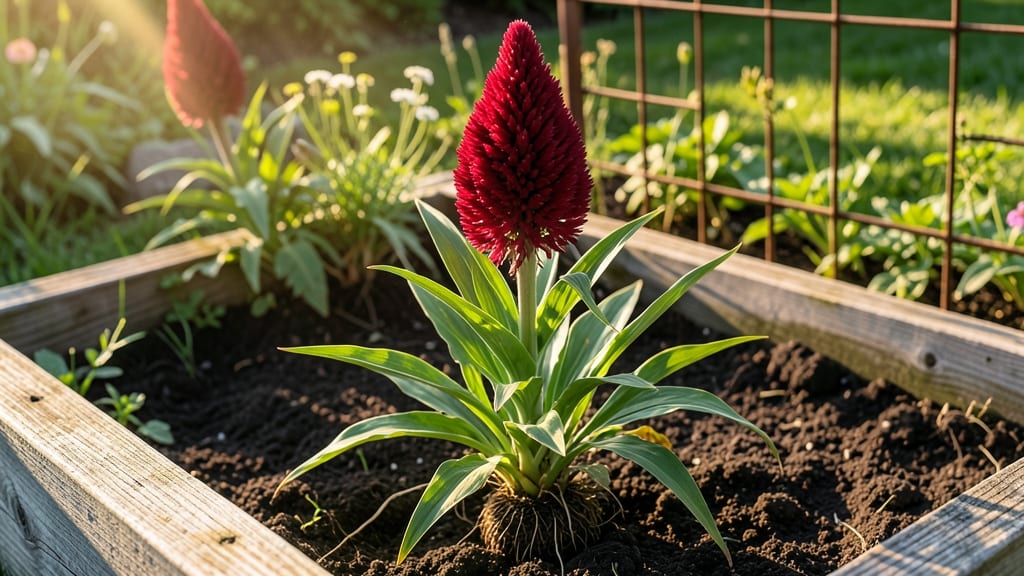
Caring for celosia flowers means unlocking those fiery plumes that turn heads all summer long—without the fuss of finicky blooms. 🌿 I’ve grown celosias for years, and the secret isn’t complicated: they thrive on neglect almost as much as they do on attention.
The key is matching their bold nature with simple habits that keep them blooming from spring through frost.
You’ll need well-draining soil, bright sunlight (at least 6 hours daily), and occasional watering—just enough to keep the roots moist, not soggy. Pruning spent blooms encourages fresh growth, and a light fertilizer boost mid-season keeps those vibrant colors popping. Even in heat waves, celosias stay perky with minimal effort.
What you’ll end up with is a garden showstopper—velvety plumes in fiery reds, oranges, and yellows that last weeks longer than most flowers. They bounce back from pests like deer and rabbits, and even thrive in containers if space is tight.
The payoff? Zero-fuss blooms that outshine everything else in the garden.
Works for borders, containers, or cutting gardens—just plant them where they’ll get sun and let them shine. Here’s how to keep them looking their best all season.
📚 In This Guide
- What you need
- Instructions
- Tips and common mistakes
- Wrapping up and next steps
What you need
- ● Celosia plants: Start with 2-4 seedlings (choose from varieties like Celosia argentea or Celosia cristata for vibrant colors). Buy from nurseries or grow from seeds.
- ● Well-draining potting mix: 5-10 gallons (look for a blend with 50% peat/coir, 30% perlite, and 20% compost for optimal aeration).
- ● Containers or garden bed: For pots: 5-7-inch diameter containers (1 per plant) with drainage holes.
- ● For garden beds: Full sun exposure (6+ hours/day) and loose, fertile soil (amend with compost if needed).
- ● Watering can or hose: With a gentle spray nozzle to avoid damaging delicate foliage.
- ● Balanced fertilizer: 10-10-10 or 20-20-20 NPK ratio (use sparingly—every 4-6 weeks during growing season).
- ● Pruning shears: For trimming dead blooms or shaping plants (sterilize with rubbing alcohol between uses!).
- ● Mulch (straw or shredded bark): 1-2 inches to retain moisture and suppress weeds.
- ● pH test kit: Ensure soil pH is 6.0-7.0 (celosia thrives in slightly acidic to neutral soil).
- ● Grow lights (indoor setups): LED full-spectrum bulbs (12-16 hours/day) if growing celosia inside.
- ● Support stakes: For taller varieties (e.g., Celosia argentea) to prevent flopping.
Step-by-step instructions for growing celosia with vibrant, long-lasting blooms
Here's how to keep your celosia thriving—no deadheading, no fuss, just bold color all season.
🌱 Step 1: Plant in Well-Draining Soil with Full Sun Exposure
Celosia loves heat and sun, so choose a spot with 6+ hours of direct sunlight daily. The soil should drain quickly—celosia roots rot easily in soggy conditions. Amend heavy soil with 1-2 inches of compost to improve airflow. I always plant mine in raised beds or containers to prevent waterlogging.
Space plants 12-18 inches apart—crowding leads to weak stems and fewer blooms. Press the root ball gently into the soil until it sits at the same depth as it did in the pot. Water deeply right after planting to settle the soil around the roots, but avoid soaking the area afterward. You'll know it's right when water runs out the bottom of the hole without pooling.
☀️ Step 2: Water Deeply but Infrequently
Celosia is drought-tolerant once established, so water only when the top 1-2 inches of soil feel dry to the touch. Overwatering causes root rot, which turns leaves yellow and mushy. I water mine in the morning so excess moisture evaporates by evening. A soaker hose or drip irrigation keeps stems dry, preventing fungal issues.
During extreme heat, you might need to water every 2-3 days, but most seasons, weekly watering is plenty. Watch for wilting in the afternoon—if leaves droop but bounce back when you touch them, the plant is thirsty. If they stay limp, it's too late and the plant is stressed.
✂️ Step 3: Encourage Bushier Growth with Minimal Pruning
Unlike finicky flowers, celosia doesn't need regular deadheading. Instead, pinch back the tips of leggy stems when they reach 6-8 inches tall to encourage branching. This creates a fuller, bushier plant with more blooms. Use clean pruners and make cuts just above a leaf node to prevent disease.
If you notice spent blooms turning brown, snip them off at the base with scissors. This redirects energy to new growth rather than seed production. Real talk: I used to skip this step, and my celosia still bloomed beautifully—but removing faded flowers extends the season by 2-3 weeks.
🌿 Step 4: Feed Lightly for Continuous Blooms
Celosia isn't a heavy feeder, but a balanced 10-10-10 fertilizer applied every 4-6 weeks keeps blooms vibrant. I mix it into the soil at half-strength to avoid burning roots. Too much nitrogen makes plants leafy with few flowers—always prioritize bloom-boosting formulas over growth stimulants.
In containers, I use slow-release granules mixed into the potting soil at planting. For in-ground plants, a side-dressing of compost in early summer gives them a gentle nutrient boost without overfeeding. Watch for dark green leaves with sparse blooms—that's your sign to cut back on fertilizer.
Tips & tricks for perfect celosia flower Care
Between us, these little tricks will keep your celosia thriving with minimal fuss—no green thumb required.
Soil Secrets: If you're planting in heavy clay soil, mix in 1-2 inches of perlite or coarse sand along with that compost. This improves drainage even more, preventing the root rot that can turn your vibrant celosia into a sad, mushy mess. I've seen celosia planted in pure compost thrive, but for average garden soil, the perlite makes all the difference.
Pruning Pro Tip: When pinching back those leggy stems at 6-8 inches tall, look for the first set of leaves after the stem starts to thicken—this is your leaf node. Cut just above it, and you'll encourage new growth from that exact spot. I've had celosia plants that looked like bushes after a few strategic pinches, while my neighbor's plants stayed skinny and sparse because she cut too high.
Fertilizer Finesse: That 10-10-10 fertilizer should be applied when you notice new growth starting after a bloom cycle. Too much too soon leads to lush leaves but few flowers—celosia prioritizes blooms over foliage. I've found that splitting the recommended dose into two lighter applications 4 weeks apart gives even better results without risking root burn.
Container Care: For potted celosia, use a mix that's 60% potting soil, 30% perlite, and 10% compost. This lightens the mix so roots don't suffocate. I also add a handful of slow-release granules at planting time—this gives a steady feed without the risk of overfeeding that comes with liquid fertilizers.
Pro Tips for Celosia Flower Care
- Between us, these little tricks will keep your celosia thriving with minimal fuss—no green thumb required.
- Soil Secrets: If you're planting in heavy clay soil, mix in 1-2 inches of perlite or coarse sand along with that compost.
- Pruning Pro Tip: When pinching back those leggy stems at 6-8 inches tall, look for the first set of leaves after the stem starts to thicken—this is your leaf node.
Frequently asked questions
Got questions about keeping your celosia thriving? You’re not alone!
Here are answers to the most common concerns—from planting to troubleshooting—so you can enjoy those vibrant blooms all year.
How often should I water my celosia?
Water celosia moderately—about once a week (or when the top inch of soil feels dry). Overwatering can lead to root rot, while underwatering causes wilting. Morning watering is ideal to reduce evaporation. Mulch around the base to retain moisture!
When is the best time to plant celosia?
Celosia thrives in warm weather, so plant after the last frost (spring) or in late summer for fall blooms. They’re heat-loving annuals—perfect for zones 2–11! For year-round growth, start seeds indoors 6–8 weeks before the last frost.
What pests or diseases should I watch for?
Celosia is generally pest-resistant, but keep an eye out for aphids, spider mites, or whiteflies. Treat with neem oil or insecticidal soap if needed. Powdery mildew can occur in humid conditions—improve airflow and avoid overhead watering to prevent it.
Can I grow celosia in containers?
Celosia does thrive in pots—just use a container with drainage holes and well-draining soil. A 6–8 inch pot works for one plant. Place in full sun and fertilize lightly every 4–6 weeks for compact, bushy growth.
How do I encourage more blooms?
Deadhead spent flowers regularly to prompt new blooms. Use a balanced fertilizer (10-10-10) every 4–6 weeks during the growing season. Prune leggy stems to encourage bushier growth—just snip above a leaf node with clean shears!
Still stumped? Drop your celosia care question in the comments—we’re happy to help!
Wrapping up and next steps
Caring for celosia flowers is a breeze—whether you're a seasoned gardener or a beginner! With their vibrant colors and near-indestructible nature, these bold blooms reward you with minimal effort. Just remember to water wisely, prune regularly, and protect them from harsh frost to keep them thriving year-round.
Now that you’re armed with all the tips, roll up your sleeves and give celosia a try! Start by planting a few in your garden or pots—you’ll be amazed at how quickly they transform your space. Happy gardening! 🌸✨