
Planting
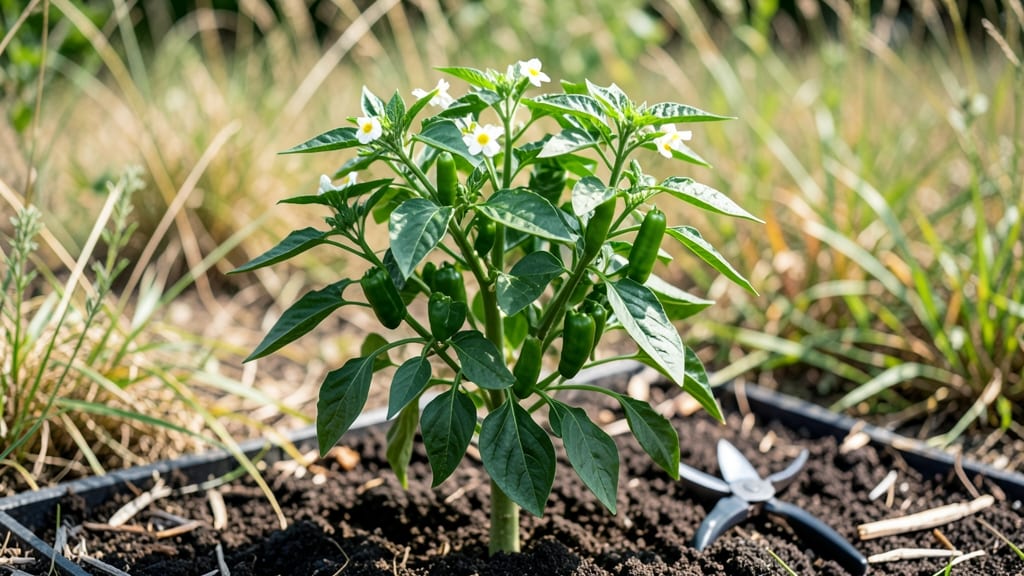
Those unexpected blue flowers on your cayenne pepper plant aren’t just pretty—they’re the secret to next year’s fiery harvest. 🌿 I’ve watched my cayenne bushes go from scraggly to productive just by paying attention to these delicate blooms, and it all starts with understanding what they need to thrive.
The key lies in sunlight, soil, and timing. Cayenne peppers demand full sun—at least 6-8 hours daily—and well-draining soil rich in organic matter.
When you see those first blue flowers appear (usually 6-8 weeks after transplanting), it’s your cue to adjust watering: too much moisture stresses the plant, while consistent moisture keeps blooms healthy and strong.
What you’ll end up with is a plant that produces more flowers, more fruit, and hotter peppers than you’ve ever seen. The secret? Gentle pruning to encourage bushier growth and hand-pollinating flowers on cloudy days. Those blue blooms aren’t just show—they’re the foundation of your next harvest.
Works for container growers, greenhouse setups, or backyard plots. Let’s turn those flowers into a bounty of cayenne peppers you’ll actually use!
📚 In This Guide
- What you need
- Instructions
- Tips and common mistakes
- Wrapping up and next steps
What you need
- ● Cayenne pepper seeds or seedlings: Choose Capsicum annuum varieties like 'Mad Dog,' 'Jalapeño M,' or 'Carolina Reaper' (if you're brave!). Start with 3-5 seeds or 2-3 seedlings for a small patch.
- ● Well-draining potting mix: 5-10 gallons of a blend with 50-70% compost (e.g., 60% peat moss/coco coir, 30% perlite/pumice, 10% worm castings). Avoid heavy clay soil.
- ● Containers or garden bed: Containers: 5-gallon pots or larger (minimum 12-inch diameter) with drainage holes. 3-5 pots for multiple plants.
- ● Garden bed: Full sun (6+ hours daily) and 6+ feet of space between plants (they love to sprawl!).
- ● Fertilizer: Balanced organic fertilizer (e.g., 5-5-5 or 10-10-10) or compost tea. Use 1 tbsp per plant every 2-3 weeks once flowers appear.
- ● Watering can or hose with gentle spray nozzle: Cayennes hate soggy roots—aim for 1 inch of water per week (adjust for rain).
- ○ Support structures (optional but helpful): Cages or stakes: 5-6 ft tall (e.g., tomato cages or bamboo stakes). 1 per plant to keep them upright.
- ● Trellis: For bushier varieties like 'Jalapeño M' (install early to avoid root disturbance).
- ● Pruning shears: Bypass-style (sharp and clean) for trimming spent flowers or leggy growth. 1 pair is plenty.
- ● Gloves: Nitrile or heavy-duty gardening gloves—cayenne peppers pack a punch, and sap can irritate skin!
- ● pH test kit: Cayennes thrive in pH 6.0-7.0. A digital meter or test strips work great.
- ● Spray bottle (small): For humidity control in dry climates (mimics tropical conditions).
- ○ Row cover or shade cloth (optional): 30-50% shade for seedlings or hot climates (5x7 ft section if covering multiple plants).
- ● Warmth: Cayennes need warm soil (70°F+) to germinate. Use a seedling heat mat if starting indoors.
- ● Patience: Flowers appear 60-90 days after planting (longer in cooler climates). Blue blooms = healthy plants!
- ● Pollination help: If indoors, gently shake plants or use a small paintbrush to transfer pollen between flowers.
- ● Pest prep: Keep neem oil or insecticidal soap handy—aphids and spider mites love cayenne leaves!
How to encourage cayenne pepper flowers for a bountiful harvest
Here's how I turn those lush green plants into flowering powerhouses—every gardener's secret to next year's spiciest peppers.
🌿 Step 1: Provide Consistent Heat and Sunlight
Cayenne peppers need full sun exposure (6-8 hours daily) to trigger flowering. I place mine in the warmest, sunniest spot in my garden—usually right up against a south-facing fence where they get morning sun and afternoon warmth. If growing in containers, move them outdoors during the day and bring them in at night if temperatures dip below 55°F.
Here's the thing—cayennes are tropical plants. They won't flower if stressed by cold. Watch for dark green, glossy leaves as your first sign they're happy. If leaves start yellowing or curling, they're either getting too much sun (afternoon shade cloth helps) or not enough heat (a small greenhouse tent works wonders).
☀️ Step 2: Feed with the Right Balance of Fertilizer
Too much nitrogen makes peppers focus on leaves instead of flowers. I switch to a low-nitrogen, high-phosphorus fertilizer (like 5-10-10) when plants are about 6 inches tall. Phosphorus is what triggers those bold blue blooms. Apply it every 4-6 weeks during the growing season, following package instructions.
I also add a handful of compost or worm castings around the base monthly. The slow-release nutrients keep plants healthy without overwhelming them. You'll notice new flower buds forming within 2-3 weeks of switching fertilizers—watch for those tiny green bumps where leaves meet stems.
💧 Step 3: Water Deeply and Maintain Even Moisture
Cayennes hate soggy roots but won't flower if they're thirsty. I water deeply once a week (more in extreme heat) until water runs out the drainage holes. The goal is consistently moist but not waterlogged soil. Stick your finger 1 inch deep—if it feels dry, water again.
Here's a trick I learned: water in the morning so leaves dry completely by evening. Wet foliage at night invites fungal diseases that can kill your plants before they flower. You'll see strong, upright stems and vibrant green leaves when moisture is just right.
✂️ Step 4: Prune Strategically to Encourage Blooms
Pinch off any flowers that appear on the first 6-8 inches of stem—these are called "suckers" and take energy from your main plant. Instead, focus on removing only the lower leaves that touch the soil. This improves airflow and directs energy upward where it belongs.
Once your plant is established, I remove any yellow or diseased leaves immediately. Healthy plants flower better. Watch for new side branches forming—these are where your pepper pods will develop. Each branch should have 3-5 leaves before it gets heavy with fruit.
🌱 Step 5: Protect Flowers from Pests and Stress
Spider mites and aphids love pepper flowers. I inspect plants weekly and spray with neem oil at the first sign of pests. The flowers are delicate—don't use harsh chemicals that could damage them. You'll see tiny white or yellow bugs clustering under leaves if they're present.
Real talk: if your flowers drop off without setting fruit, it's usually because of temperature swings. Cayennes need steady warmth (70-85°F). If nights dip below 60°F, cover plants with frost cloth. Healthy flowers will stay firm and blue—wilted or brown ones need immediate attention.
Tips & tricks for cayenne pepper plant flowers
Here's the thing about cayenne pepper flowers—those bold blue blooms don't happen by accident. These small tweaks make all the difference between a plant that just grows leaves and one that produces a bounty of spicy peppers.
Sunlight Secret: The 6-8 hours of direct sun in Step 1 is non-negotiable, but here's what nobody tells you—morning sun is more valuable than afternoon heat. Position your plants to catch those first rays of sunlight, which helps prevent leaf scorch while still giving them the energy boost they need for flowering. If you're using containers, rotate them every few days so all sides get equal exposure.
Fertilizer Timing: When you switch to that low-nitrogen, high-phosphorus fertilizer at the 6-inch mark, don't stop there. The key is consistency—those 4-6 week intervals should be like clockwork. I set calendar reminders because missing even one feeding can stall flower production. And here's a pro move: mix your fertilizer with compost when applying to give plants a gentle, ongoing nutrient boost.
Watering Wisdom: That once-a-week watering guideline in Step 3 works perfectly in moderate climates, but watch your soil like a hawk during heatwaves. In extreme heat, I water every 3-4 days instead of waiting for the 1-inch dry test. The goal is to keep roots consistently moist—think of it like maintaining a spa for your pepper plants rather than giving them a quick drink. Mulching helps retain moisture and keeps roots cool.
Pruning Precision: When you're pinching those suckers in Step 4, don't just grab and pull—use clean pruning shears or your fingers to make a clean cut just above the leaf node. This prevents damage that could invite pests. And here's my favorite trick: after pruning, give your plant a light spray of water. This helps it recover faster and keeps the leaves clean for better photosynthesis.
Pro Tips for Cayenne Pepper Plant Flowers
- Here's the thing about cayenne pepper flowers—those bold blue blooms don't happen by accident.
- Sunlight Secret: The 6-8 hours of direct sun in Step 1 is non-negotiable, but here's what nobody tells you—morning sun is more valuable than afternoon heat.
- Fertilizer Timing: When you switch to that low-nitrogen, high-phosphorus fertilizer at the 6-inch mark, don't stop there.
Frequently asked questions
Got questions about those stunning cayenne pepper plant flowers? You’re not alone! Here are answers to the most common queries—from curious gardeners to seasoned growers.
Why do cayenne pepper flowers turn blue?
Those bold blue blooms aren’t a trick—they’re nature’s way of signaling pollinators! Cayenne pepper flowers start white or pale yellow but deepen to blue or purple as they age. This color shift helps bees and hummingbirds spot them, boosting pollination for a bigger harvest next season.
How long do cayenne pepper flowers last before fruiting?
After blooming, cayenne flowers typically wilt within 2–4 days if pollinated. If pollination fails (common in greenhouses or windless areas), flowers may drop sooner. Look for tiny green peppers forming at the base of the flower stalk—this means success!
Can I eat cayenne pepper flowers?
Yes! While not as spicy as the peppers, cayenne flowers are edible and add a mild, floral kick to dishes. Use them fresh in salads, garnishes, or infuse oils/vinegars for a unique twist. Just avoid overconsumption—they can still pack a subtle heat.
What should I do if my cayenne flowers drop without peppers?
Dropping flowers usually means poor pollination. Try these fixes:
- Hand-pollinate: Gently shake plants or use a paintbrush to transfer pollen.
- Improve airflow: Space plants 18+ inches apart and prune crowded foliage.
- Check conditions: Ensure temps stay 65–85°F and avoid overwatering (stress causes drop).
Can I grow cayenne peppers from flower seeds?
Not directly—but you can save seeds from mature peppers (after flowers fade) for next year! Let peppers fully ripen (turn red), scoop out seeds, rinse/dry them, then store in a cool, dark place. Pro tip: Label varieties, as cayenne seeds may cross-pollinate with other peppers.
Wrapping up and next steps
Watching your cayenne pepper plant flowers burst into vibrant blue blooms isn’t just a treat for the eyes—it’s a promising sign of the fiery harvest to come! 🌸 These delicate blooms play a crucial role in pollination, ensuring next year’s peppers are plentiful and packed with heat.
Now that you’re equipped with the knowledge to nurture them, why not take the next step? Experiment with companion planting or try hand-pollinating for even bigger yields—your future spicy dishes will thank you!