
Flowers
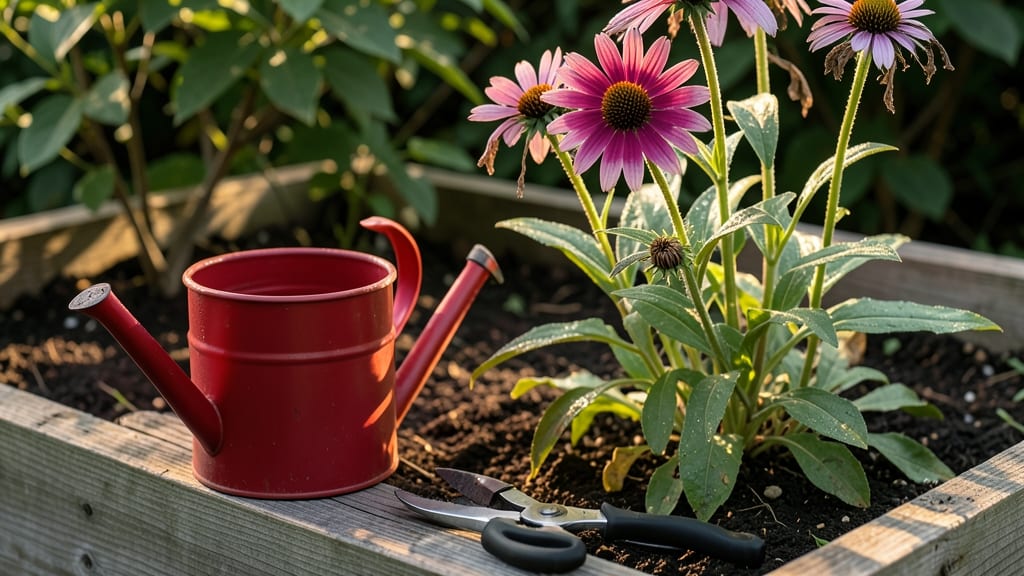
Caring for perennial flowers starts with four simple steps—because once they’re established, they’ll reward you with year-round color and minimal fuss. I’ve learned the hard way that skipping even one of these (looking at you, pruning) means weaker blooms and more pests.
The secret isn’t complicated: water deeply but infrequently, prune at the right times, feed them once a year, and protect them from critters before they become a problem.
Start with well-draining soil—perennials hate soggy roots—and choose plants that suit your climate. My go-to varieties include coneflowers, black-eyed Susans, and daylilies, which handle neglect better than most.
You’ll need basic tools: pruners, gloves, and a slow-release fertilizer—that’s it. The payoff? Flowers that multiply over time, spread effortlessly, and come back bigger every spring without replanting.
By summer’s end, you’ll have a garden that looks like it belongs in a magazine—not because you’re a master gardener, but because perennials do the heavy lifting once they’re happy.
The key is consistency: water when the top inch of soil feels dry, deadhead spent blooms, and mulch to keep weeds at bay. Even in drought years, these plants bounce back with shockingly lush regrowth if you give them just a little attention.
This works for small pots, raised beds, or full sun borders—adjust watering for containers, and choose compact varieties for tight spaces. The biggest mistake? Overwatering or pruning too late.
Stick to the schedule, and your garden will thank you with bold blooms from May until frost. Let’s get those perennials thriving!
📚 In This Guide
- What you need
- Instructions
- Tips and common mistakes
- Wrapping up and next steps
What you need
- ● Perennial flowers: Choose disease-resistant varieties suited to your climate (e.g., coneflowers, black-eyed Susans, or daylilies). Purchase 3–5 plants per variety for a fuller look.
- ● Well-draining soil: Mix in 2–3 inches of compost or aged manure to enrich the soil before planting.
- ● Organic mulch: 2–3 inches of wood chips, straw, or pine needles to retain moisture and suppress weeds.
- ● Watering can or hose: A 5-gallon capacity for deep watering (1–1.5 inches per week).
- ● Pruners: Bypass pruners (sharp and clean) for trimming dead blooms and shaping plants.
- ● Garden gloves: A pair of durable, breathable gloves to protect your hands from thorns or soil.
- ● Fertilizer: Slow-release granular fertilizer (10-10-10 ratio) or organic options like fish emulsion (apply in early spring).
- ● Stakes or supports: 3–4 bamboo stakes or metal cages for taller perennials like bee balm or hollyhocks.
- ● Soil pH tester: Ensures your soil is in the ideal range (most perennials prefer 6.0–7.0).
- ● Drip irrigation system: Automates watering for busy gardeners.
- ● Hand trowel: For precise planting or transplanting.
- ● Knee pad: Makes weeding and mulching more comfortable.
- ● Seasonal care products: Neem oil (for pests) or fungicide (for powdery mildew).
Step-by-step guide for maintaining perennial flowers through all seasons
Here’s the straightforward approach I’ve used to keep perennial gardens thriving for years—no guesswork, just reliable care.
🌱 Step 1: Spring Preparation for New Growth
Begin by removing any dead foliage from last season, cutting stems back to 2-3 inches above the soil line. This prevents disease and encourages fresh growth. I like to do this in early spring, once daytime temperatures consistently reach 50°F or higher—that’s when perennials start waking up.
After pruning, apply a 2-3 inch layer of mulch around the base of each plant. This conserves moisture, regulates soil temperature, and suppresses weeds. I use shredded hardwood mulch because it breaks down slowly and improves soil structure over time. Avoid piling mulch directly against stems, as this can trap moisture and cause rot.
☀️ Step 2: Summer Maintenance for Peak Performance
Water perennials deeply once or twice a week, depending on rainfall, to encourage strong root development. The key is to soak the soil to a depth of 6-12 inches—this mimics natural rainfall and prevents shallow roots. You’ll know you’ve watered enough when the soil feels moist 4-6 inches down.
Deadhead spent blooms regularly to redirect the plant’s energy into producing more flowers rather than setting seed. For perennials like coneflowers or black-eyed Susans, I pinch off faded blooms with my fingers or use clean pruners. This keeps the plant looking tidy and extends the flowering season. Fertilize lightly in early summer with a balanced, slow-release fertilizer to support steady growth.
✂️ Step 3: Fall Cleanup to Protect Over Winter
As temperatures drop below 40°F at night, cut back foliage to 4-6 inches above the ground. This reduces the risk of fungal diseases overwintering in dead plant material. Leave the stems of hardy perennials like peonies or daylilies intact—they provide winter protection and help insulate the crown.
Add a 3-4 inch layer of mulch over the soil once the ground freezes. This acts as an insulating blanket, protecting roots from extreme cold. I use straw or leaves in colder climates because they trap heat better than wood chips. Avoid heavy mulching in mild winters, as excess moisture can harm dormant plants.
⏰ Step 4: Winter Care for Next Year’s Blooms
Check perennials occasionally during winter for signs of heaving—when soil freezes and expands, pushing plants out of the ground. If you notice this, gently press the plant back into the soil and add more mulch around it. This prevents root damage and ensures a healthy start in spring.
In late winter or early spring, before new growth appears, apply a layer of compost around the base of each plant. This replenishes nutrients and improves soil structure without overfeeding. I like to do this in late February or early March, just as the days start getting longer. This timing gives roots time to absorb nutrients before active growth begins.
Tips & tricks for perfect perennial flower maintenance
Real talk: These small adjustments make all the difference between a garden that thrives and one that just survives.
Seasonal Timing Matters: The 50°F threshold in early spring isn't arbitrary—it's when perennials' metabolic activity kicks into gear. If you prune too early, you risk damaging tender new growth. I've learned this the hard way after accidentally cutting back peonies in late winter when they were still dormant. Wait until daytime temps consistently hit 50°F before touching your pruners.
Mulch Depth Science: That 2-3 inch layer in spring and 3-4 inch layer in fall isn't just random measurements—it's about creating the right microclimate. Too little mulch (under 2 inches) won't suppress weeds effectively, while too much (over 4 inches) can suffocate roots. I use a simple ruler to check depth after spreading, making adjustments as needed. The goal is to protect roots without smothering them.
Watering Technique: The 6-12 inch soil depth target might seem vague, but here's how to check: Stick your finger into the soil after watering. If it feels moist down to your second knuckle (about 4-6 inches), you've hit the mark. I've found that morning watering (between 6-10am) gives plants all day to absorb moisture before evening evaporation.
Winter Protection: When you're adding that insulating mulch layer in winter, focus on protecting the root zone rather than piling around stems. I create a donut shape around each plant, keeping stems exposed. This prevents moisture buildup at the crown while still insulating roots. In extremely cold climates, I add an extra 1-2 inches of straw mulch specifically around the base.
Pro Tips for Caring For Perennial Flowers
- Real talk: These small adjustments make all the difference between a garden that thrives and one that just survives.
- Seasonal Timing Matters: The 50°F threshold in early spring isn't arbitrary—it's when perennials' metabolic activity kicks into gear.
- Mulch Depth Science: That 2-3 inch layer in spring and 3-4 inch layer in fall isn't just random measurements—it's about creating the right microclimate.
Frequently asked questions
about caring for perennial flowers—because even the hardiest blooms need a little TLC! Here are answers to the most common queries to keep your garden thriving year after year.How often should I water perennial flowers?
Water perennials deeply 1-2 times per week during the first growing season to establish roots, then adjust based on rainfall. Most mature perennials need about 1 inch of water per week. Early morning watering reduces evaporation and fungal risks. Pro tip: Mulch helps retain moisture—apply 2-3 inches around plants (keep mulch away from stems).
When is the best time to divide and transplant perennials?
The ideal time is early spring or fall when temperatures are mild. Divide overcrowded clumps every 3-5 years to rejuvenate growth. Avoid transplanting in extreme heat or cold. Troubleshooting: If flowers decline, check roots—if they’re root-bound, it’s time to divide!
What’s the easiest way to deal with pests on perennials?
Start with prevention: Healthy soil and proper spacing deter pests. For mild infestations, spray with neem oil or insecticidal soap. Severe cases may need pyrethrin-based sprays (follow label instructions). Quick fix: Handpick slugs or aphids early in the morning.
Do perennials need winter protection?
Most perennials are hardy, but young plants, tender varieties, or those in cold climates benefit from protection. Apply a 2-3 inch layer of mulch after the first frost. For extra safeguarding, cover with burlap or frost cloth during extreme freezes. Remember: Avoid heavy mulch that can smother plants.
Can I grow perennials in containers?
Choose compact varieties like lavender, salvia, or coreopsis. Use well-draining soil and containers with drainage holes. Repot every 2-3 years to refresh nutrients. Bonus: Containers let you move plants to optimize sunlight or protect them in winter.
Wrapping up and next steps
Caring for perennial flowers is all about patience, consistency, and a little love—and the rewards are worth every moment! With the right soil, watering routine, seasonal trims, and protection from pests, your garden will burst with color year after year. You’ve got this!
Ready to take the next step? Start small—pick one perennial variety to experiment with, or sketch out a simple garden layout. Before you know it, your yard will be the envy of the neighborhood! 🌸💚