
Flowers
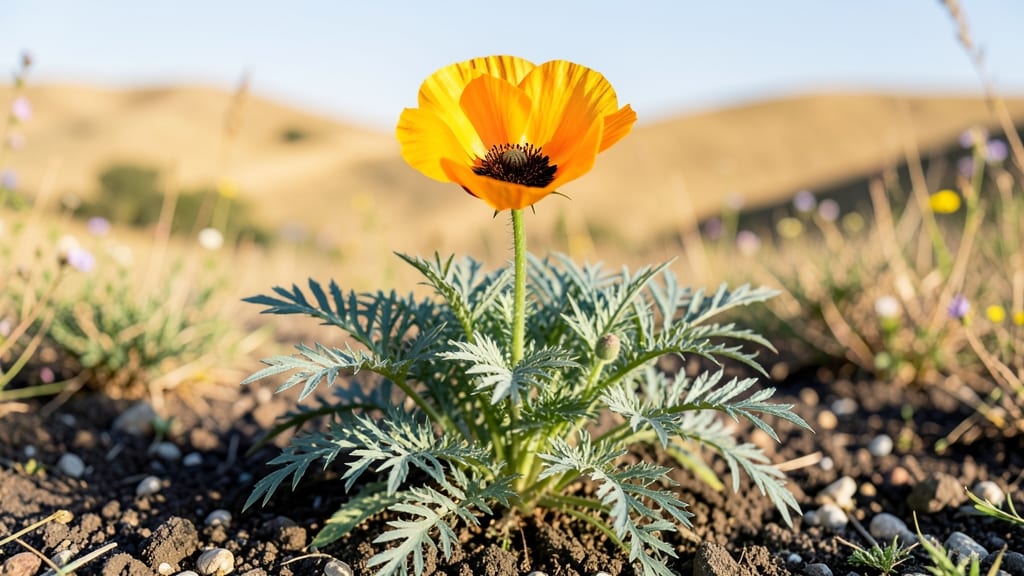
California wildflowers transform any yard into a sun-drenched masterpiece that thrives on neglect. 🌻 I’ve designed gardens where poppies, lupines, and buckwheat paint the seasons in bold strokes—without a single extra drop of water.
The key lies in mimicking nature’s balance: grouping plants by water needs, letting foliage stay wild, and embracing the wildflower wave of color that shifts with the seasons.
This isn’t about tame perfection—it’s about effortless beauty. Early spring brings delicate blue-eyed grass and tidy tips, summer explodes with California poppies and purple sage, and fall lingers with goldenrod and aster. The best part?
These plants attract hummingbirds, bees, and butterflies while requiring less water than a single lawn sprinkler. No mowing, no fuss, just pure, sunlit charm that keeps giving year after year.
You’ll end up with a garden that feels like a postcard—soft lavender drifts, golden hillsides, and pops of color that catch the light just right.
The secret is letting the wildflowers do their thing: they self-seed, spread naturally, and create that signature California meadow look without a single seed packet left unopened. Plus, your water bill will thank you.
Works in any sunny spot, from small urban patches to sprawling backyards. The same principles apply whether you’re planting a 50-square-foot container garden or a full meadow. Let’s bring that wildflower magic to your space—no green thumb required.
📚 In This Guide
- What you need
- Instructions
- Tips and common mistakes
- Wrapping up and next steps
What you need
- ● Seeds or Native Plants: 1–2 lbs of California wildflower seed mix (e.g., lupine, poppies, buckwheat, or goldenrod)
- ○ Optional: Pre-sprouted seedlings (for faster results)
- ● Soil Amendments: 5–10 lbs of compost or well-rotted manure (improves drainage)
- ● 1–2 lbs of perlite or coarse sand (for sandy, well-draining soil)
- ● Tools: Garden trowel or transplanting spade
- ● Garden rake (for leveling soil)
- ● Hose with soaker nozzle or watering can (drip irrigation is ideal!)
- ○ Optional: Seedling trays (if starting indoors)
- ● Sunlight: Full sun (6+ hours daily) for most wildflowers
- ● Water Access: Drought-tolerant once established, but seedlings need consistent moisture for 4–6 weeks
- ● Location: Well-draining soil (avoid low spots where water pools)
- ● Season: Plant in early fall or late winter (cooler temps = better germination)
- ○ Optional: Mulch (straw or wood chips) to retain moisture and suppress weeds
Step-by-Step design for a thriving California wild flower meadow
Here's how to create a resilient, low-maintenance garden that thrives on minimal water while bursting with seasonal charm.
🌱 Step 1: Select the Perfect Location and Soil
Choose a sunny spot with 6-8 hours of direct sunlight daily. California wild flowers adore the heat but need good drainage—avoid low-lying areas where water pools. If your soil is heavy clay, amend it with 3-4 inches of compost mixed into the top 6 inches of soil. The goal is loose, sandy-loam texture that mimics native conditions.
Test drainage by digging a 12-inch deep hole and filling it with water. If it drains in under an hour, your site is ready. If not, raise beds or add coarse sand to improve permeability. I always rake the surface smooth afterward—wild flowers thrive in open, uncompacted soil where roots can spread freely.
🌿 Step 2: Choose a Diverse Wild Flower Palette
For year-round interest, combine early bloomers like California poppy and lupine, mid-season stars such as buckwheat and tidy tips, and late-season performers like goldenrod and aster. Group plants by height—tall grasses (like deer grass) in back, medium shrubs (like ceanothus) in the middle, and low ground covers (like creeping sage) in front.
Stick to native varieties—they're bred to handle your region's microclimate. I always include 3-5 different species per 100 square feet to ensure continuous blooms. Space seeds ¼ inch apart when sowing directly, or transplant seedlings 6-12 inches apart depending on mature size. The key is variety—wild flowers rely on biodiversity to thrive.
☀️ Step 3: Establish Watering Routines for Drought Resilience
Water deeply once a week for the first month to help roots establish, then taper to every 2-3 weeks once plants are established. The first soaking should penetrate 6-8 inches deep—use a moisture meter to check. Overwatering is the fastest way to kill wild flowers; they're adapted to survive on rainfall alone.
After the initial phase, let the soil dry completely between waterings. You'll know it's time when the top 2 inches of soil feel dry to the touch. Mulch with 1-2 inches of wood chips to retain moisture and suppress weeds—just keep it 2 inches away from plant stems to prevent rot.
✂️ Step 4: Maintain with Minimal Intervention
Deadhead spent blooms in late summer to encourage a second flush of flowers, but leave seed heads for winter interest and wildlife. I always cut back ⅓ of the plant height in early spring to promote bushier growth. Avoid fertilizing—wild flowers prefer lean soil. If you notice yellowing leaves, it's usually a sign of overwatering, not nutrient deficiency.
Divide clumps every 3-4 years to maintain vigor. Simply dig up the plant, separate the roots, and replant sections. The best time is early spring or fall when temperatures are mild. Wild flowers are tough—they'll bounce back even if you forget to divide for a season.
Tips & tricks for perfect California wild flower meadows
Creating a vibrant California wild flower meadow takes more than just planting—it's about understanding the subtle details that make the difference between a mediocre garden and one that truly thrives. Here's what I've learned after designing several successful meadows in our region.
Soil Preparation Secret: The 6-8 hours of sunlight mentioned in Step 1 is non-negotiable, but what's often overlooked is the importance of soil temperature. Test your soil's warmth in late afternoon—it should feel comfortably warm to the touch (around 75°F) before planting. Cold soil can delay germination, especially for heat-loving natives like California poppy. I always wait until soil temperatures consistently reach this range before sowing seeds.
Plant Layering Strategy: When arranging your wild flowers by height in Step 2, consider the mature growth habits of each species. For instance, deer grass can grow up to 6 feet tall, while creeping sage stays under 1 foot. I recommend creating a "height gradient"—plant taller species in the back, but stagger their placement so they don't completely obscure shorter flowers. This creates visual layers that attract pollinators from all levels of the meadow.
Watering Precision: The initial deep watering in Step 3 should be done in the early morning to minimize evaporation. Use a soaker hose or drip irrigation to deliver water directly to the roots, avoiding wetting the foliage. I've found that watering at this time also reduces fungal risks. For the first month, check soil moisture at 6-8 inches depth—it should feel like a wrung-out sponge, not damp or soggy. Overwatering is the #1 killer of wild flowers, so resist the urge to water more frequently.
Seasonal Maintenance Calendar: Mark your calendar for these key dates: Late summer (August) for deadheading, early spring (March) for cutting back, and every 3-4 years for dividing. I always schedule these tasks during the new moon phase when plants are less stressed. For dividing, I use a sharp spade to lift entire clumps, then separate with my hands—no need for sterilizing tools unless you're working with diseased plants. The roots are surprisingly resilient!
Pro Tips for California Wild Flowers
- Creating a vibrant California wild flower meadow takes more than just planting—it's about understanding the subtle details that make the difference between a mediocre garden and one that truly thrives.
- Soil Preparation Secret: The 6-8 hours of sunlight mentioned in Step 1 is non-negotiable, but what's often overlooked is the importance of soil temperature.
- Plant Layering Strategy: When arranging your wild flowers by height in Step 2, consider the mature growth habits of each species.
Frequently asked questions
Got questions about creating a stunning California wildflower garden? You’re not alone! Here are some of the most common queries—and their answers—to help you design a vibrant, drought-resistant paradise with ease.
When is the best time to plant California wildflowers?
For spring-blooming varieties (like California poppies or lupines), plant seeds in late fall (October–November) so they germinate with winter rains. Summer-bloomers (e.g., tidy tips or goldenrod) thrive when sown in early spring (February–March). Avoid planting in peak summer heat—seeds need moisture to sprout!
How do I keep my wildflower garden looking lush without overwatering?
California wildflowers are drought-tolerant, but they need consistent moisture during their first 2–3 weeks after planting. After that, water deeply but infrequently (about once a week, or when the top inch of soil feels dry). Once established, they’ll thrive on natural rainfall. Pro tip: Mulch lightly with straw to retain soil moisture and suppress weeds!
Can I mix California wildflowers with other plants?
Pair wildflowers with native shrubs like toyons or manzanitas, or drought-resistant perennials like lavender or yarrow. Just ensure all plants share similar water needs. Avoid non-native, high-water plants—they’ll compete with your wildflowers and require extra care. Bonus: Bee-friendly blooms (like sage or buckwheat) will attract pollinators all season!
Why aren’t my wildflowers blooming this year?
Wildflowers often take 1–2 years to establish and bloom. If you’ve planted seeds, check for:
- Insufficient sunlight: Most wildflowers need 6+ hours of sun daily.
- Poor soil: Amend heavy clay or sandy soil with compost for better drainage.
- Overwatering: Too much moisture can rot seeds or smother sprouts.
- Pests: Gophers or birds may snack on seeds—use mesh covers temporarily.
What’s the easiest way to maintain a wildflower garden?
Once established, wildflowers are low-maintenance! Here’s a quick checklist:
- Deadhead spent blooms (optional) to encourage reblooming.
- Trim back brown foliage in late winter to make room for new growth.
- Reseed annually if your garden loses vigor—many wildflowers self-sow!
- Avoid synthetic fertilizers; wildflowers thrive in lean, native soil.
Wrapping up and next steps
California wildflowers bring vibrant color, resilience, and natural beauty to any garden—even in drought-prone climates. By choosing the right drought-resistant varieties and designing with smart layers, you can create a stunning, low-maintenance oasis that thrives year-round.
Whether you're a seasoned gardener or just starting, this guide gives you the tools to turn your outdoor space into a wildflower paradise.
🌸 Ready to dive in? Start small—pick one section of your garden, gather your supplies, and let nature do the rest! Plant a few wildflowers today, and watch your landscape transform into a living, breathing work of art.