
Flowers
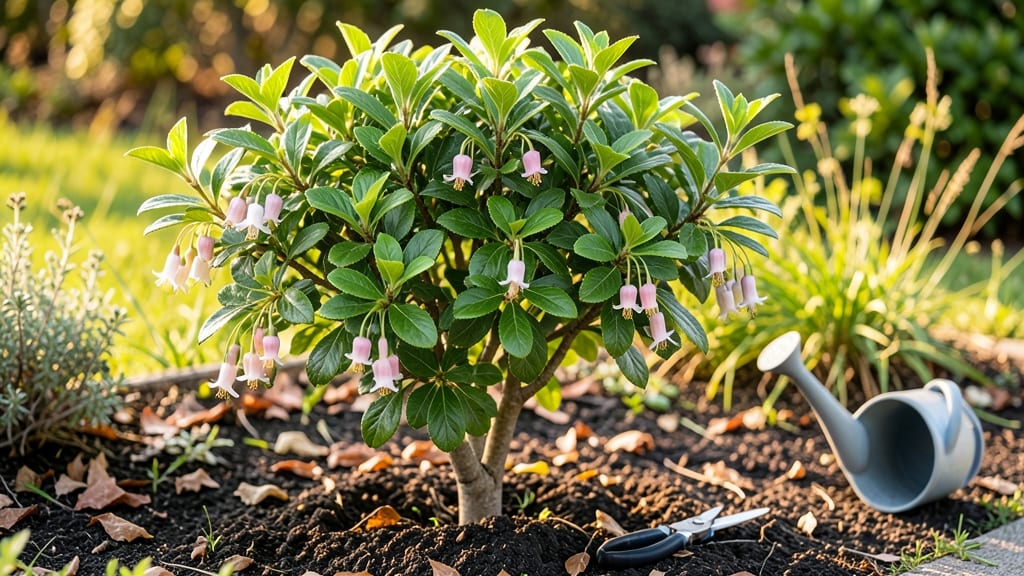
Blueberry flowers aren’t just pretty—they’re the secret to juicy, homegrown berries that taste nothing like store-bought. 🌸 I’ve grown them in containers for years, and the key is treating them like the cold-hardy divas they are.
These delicate-looking blooms pack a punch, surviving frosts that would kill most plants, and their white-to-pink flowers turn into those deep blue berries we all love.
You’ll need acidic soil (think pine needles or peat moss) and a container with drainage—no fancy setups here. Morning sun and afternoon shade keep them happy, and watering should be consistent but not soggy.
Pruning after harvest keeps them bushy and productive, and with the right care, you’ll get berries for years. The first year is all about establishing roots, but by year two, you’ll have a reliable harvest that neighbors will envy.
What makes these flowers special is how they transform your garden. The blooms attract pollinators, the berries feed you, and the plant’s compact size makes it perfect for patios or small yards.
Plus, the scent of those flowers in spring? Unbeatable. Once you see your first blueberry ripen on the bush you grew, you’ll never buy them again.
Works in zones 3-7, so whether you’re in a cold climate or a mild one, these plants deliver. Let’s get those roots in the ground—or the pot—and turn your space into a berry-producing paradise.
📚 In This Guide
- What you need
- Instructions
- Tips and common mistakes
- Wrapping up and next steps
What you need
- ● Blueberry plants: Choose Vaccinium corymbosum (highbush) or Vaccinium angustifolium (lowbush) varieties. Buy 3–5 plants (for pollination and full coverage) from a reputable nursery.
- ● Containers (if using): Large pots (18–24 inches in diameter) with drainage holes.
- ● 5–7 containers for a small canopy (scale up as needed).
- ● Well-draining soil: Mix 50% acidic potting soil (pH 4.5–5.5) with 50% peat moss or pine bark fines.
- ● Organic mulch: 2–3 inches of pine needles, wood chips, or sphagnum peat to retain moisture and acidity.
- ● Slow-release fertilizer: Balanced 10-10-10 or acidic 8-3-9 (apply at planting and mid-season).
- ● Watering can or hose with a gentle spray nozzle.
- ● Garden gloves (to protect hands from acidic soil).
- ● Trowel or small shovel (for planting).
- ● pH testing kit (to monitor soil acidity).
- ● Pruning shears (for shaping and maintenance).
- ● Sunlight access: 6+ hours of full sun daily (partial shade in hot climates).
- ● Cold-hardy zone: Zones 3–7 (check your plant’s specific variety for exact range).
- ● Epsom salt (for magnesium boosts, especially in sandy soils).
- ● Drip irrigation system (to automate watering and maintain consistent moisture).
- ● Bird netting (to protect flowers from hungry critters).
- ● Blueberry companion plants: Rhododendrons, azaleas, or ferns (thrive in similar acidic conditions).
Step-by-step guide to growing blueberry flowers in containers
Here's how to create a stunning, cold-tolerant blueberry flower display that thrives in pots.
🌱 Step 1: Select and Prepare the Right Containers
Blueberry flowers need room to spread, so choose containers that are at least 12 inches deep and 18 inches wide for each plant. I prefer unglazed terra cotta pots because they breathe well and help regulate soil moisture—critical for blueberries. Make sure each container has drainage holes, or drill them yourself if needed.
Line the bottom of each pot with 2-3 inches of gravel or broken pottery shards to create a reservoir for excess water. This prevents soggy roots, which blueberry flowers hate. Fill the remaining space with a mix of 50% peat moss and 50% perlite to mimic their acidic, well-draining native soil conditions.
🌿 Step 2: Plant Bare-Root Blueberry Flowers Correctly
Blueberry flowers are typically sold bare-root in early spring. Soak the roots in lukewarm water for 2-3 hours before planting to revive them. This step is non-negotiable—dry roots struggle to establish in containers. While soaking, prepare holes that are twice as wide as the root ball and just as deep.
Position the plant so the top of the root ball sits 1 inch below the soil line. The reason we bury it slightly is that blueberry flowers often grow new roots from buried stems. Gently backfill with your prepared soil mix, pressing lightly to remove air pockets. Water thoroughly until moisture flows from the drainage holes.
☀️ Step 3: Position for Sunlight and Protect from Wind
Blueberry flowers need full sun—at least 6 hours daily—but they also appreciate afternoon shade in hot climates. I place my containers on a patio where they get morning sun and afternoon dappled shade from a nearby tree. If you're in a hotter zone, a 50% shade cloth during peak afternoon hours works wonders.
Wind can dry out container soil quickly, so position your pots where they're sheltered from strong breezes. You'll notice leaves curling or wilting if they're too exposed—this is your cue to move them to a more protected spot. Grouping containers together also helps maintain stable soil moisture levels.
💧 Step 4: Water and Fertilize for Optimal Growth
Blueberry flowers in containers dry out faster than in-ground plants, so check soil moisture daily during hot weather. Stick your finger 1 inch into the soil—if it feels dry, water deeply until water runs from the drainage holes. I use a slow-release fertilizer designed for acid-loving plants in early spring and again in midsummer to keep them thriving.
Here's the thing—blueberries need acidic soil. If your tap water is alkaline, use rainwater or distilled water for watering. You'll know your soil pH is right when new leaves emerge with a vibrant green color and the plant shows steady growth rather than yellowing foliage.
✂️ Step 5: Prune and Maintain for Year-Round Beauty
Prune blueberry flowers in late winter or early spring before new growth begins. Remove any dead, damaged, or crossing branches first—this opens up the plant for better airflow and sunlight penetration. Then cut back any remaining branches by one-third of their length to encourage bushier growth.
Deadhead spent flowers throughout the growing season to encourage more blooms. I also add a 2-inch layer of pine bark mulch around the base of each plant to retain moisture and slowly acidify the soil. This simple step prevents soil from drying out and keeps your blueberry flowers looking their best all season long.
Tips & tricks for perfect blueberry flower containers
These simple strategies will help your blueberry flowers thrive in containers and create a stunning, long-lasting display.
Container Material Matters: While terra cotta is ideal, you can use other materials as long as they meet the same requirements. Plastic pots retain moisture longer, so check soil moisture more frequently. If using fabric grow bags, ensure they have drainage holes and are large enough to accommodate root growth—at least 15 inches wide and 14 inches deep. The key is proper drainage and airflow, regardless of material.
Soaking Secret: That 2-3 hour soak for bare-root plants isn't just about hydration—it's about waking up dormant roots. I like to add a splash of un-scented liquid seaweed fertilizer (optional) to the soaking water to give them a gentle nutrient boost right from the start. This helps compensate for the shock of transplanting into containers.
Sunlight Strategy: When positioning your containers for that required 6 hours of sun, remember that morning sun is gentler than afternoon heat. If you notice leaves curling during hot afternoons, move containers to a shaded spot until temperatures drop. A simple trick: rotate containers every few days to ensure even sunlight exposure all around the plant.
Watering Wisdom: The 1-inch soil moisture check is crucial, but timing matters too. Water in the morning so excess moisture evaporates during the day rather than sitting on leaves overnight, which can lead to fungal issues. For extra insurance, water at the base of the plant rather than overhead to keep foliage dry.
Pro Tips for Blue Berry Flower
- These simple strategies will help your blueberry flowers thrive in containers and create a stunning, long-lasting display.
- Container Material Matters: While terra cotta is ideal, you can use other materials as long as they meet the same requirements.
- Soaking Secret: That 2-3 hour soak for bare-root plants isn't just about hydration—it's about waking up dormant roots.
Frequently asked questions
When do blueberry flowers bloom, and how long do they last?
Blueberry flowers typically bloom in early spring (March–April in most zones), just before or with the leaves. The flowers themselves last 2–3 weeks, but the show is worth it—they’re delicate, bell-shaped, and often white or pale pink. Pro tip: If temps drop below 25°F, cover young blooms with frost cloth to protect them!
Are blueberry flowers cold-hardy? What zones do they tolerate?
Yes! Blueberry flowers are highly cold-hardy, with most varieties surviving down to Zone 3–7. However, late spring frosts can damage blooms. For container growers, use well-draining soil and mulch heavily in winter. Pro tip: Choose northern highbush varieties (like ‘Patriot’) for the toughest blooms!
Can I grow blueberry flowers in containers? What’s the best setup?
Blueberry bushes thrive in 5-gallon+ containers with acidic soil (pH 4.5–5.5) and good drainage. Use a mix of peat moss, pine bark, and perlite. For pollination, plant two bushes (they’re self-pollinating but produce more berries with a partner). Troubleshooting: Yellow leaves? You might need more iron or better drainage.
Do blueberry flowers need pollinators? What if I don’t have bees?
Blueberry flowers are self-pollinating, but bees and other pollinators boost fruit set. If you lack pollinators, hand-pollinate by gently shaking branches or using a small brush to transfer pollen. Pro tip: Plant bee-friendly companions like lavender or borage nearby to attract them naturally!
Will my blueberry flowers produce berries the first year?
Probably not! Blueberry bushes take 2–3 years to bear fruit after planting. Focus on establishing roots first—prune lightly in late winter to encourage strong blooms. Patience pays off: A healthy bush can produce pounds of berries once mature!
Why aren’t my blueberry flowers opening? Troubleshooting tips.
If blooms stay closed or drop off, check these fixes:
- Frost damage: Late frosts can kill buds. Plant in sheltered spots or use row covers.
- Poor pollination: Hand-pollinate or add pollinator plants.
- Stress (drought/waterlogged soil): Keep soil consistently moist but not soggy.
- Nutrient deficiency: Feed with acidic fertilizer (like cottonseed meal) in early spring.
Wrapping up and next steps
Growing blueberry flower plants—whether in containers or garden beds—is a rewarding way to add beauty, fragrance, and cold-hardy charm to your space. 🌸 With the right soil, sunlight, and care, these delicate blooms can thrive even in cooler climates, offering a stunning canopy of white or pink flowers year after year.
Now that you’re equipped with the essentials, why not plant one today?
Ready to dive in? Start by selecting your preferred variety, gathering your supplies, and giving these resilient beauties the love they deserve. Happy gardening! 🌱