
Shrubs
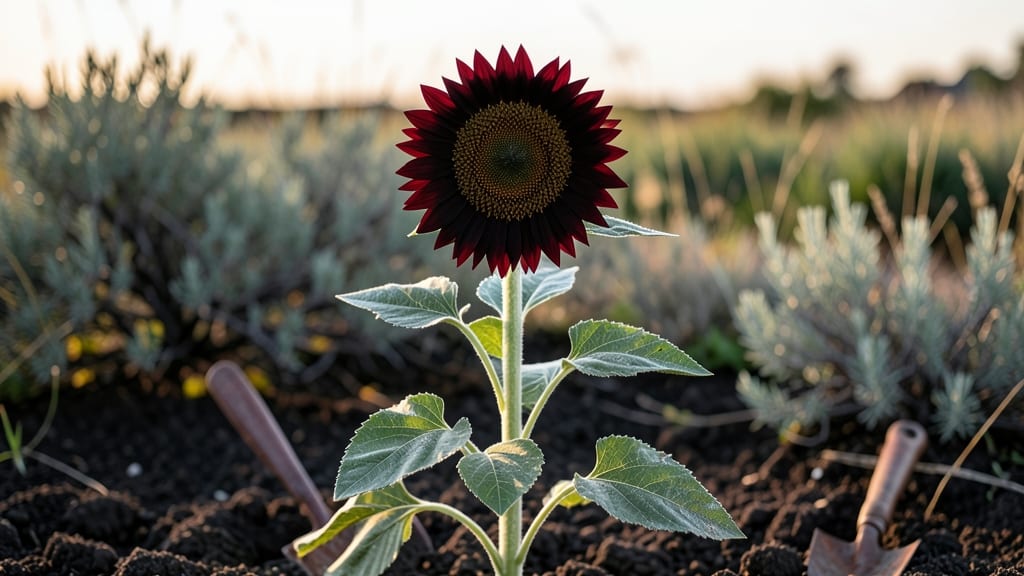
Black and red sunflower shrubs like 'Moulin Rouge' turn any garden into a living painting. 🌻 Their deep burgundy blooms contrast dramatically with glossy black petals, creating a focal point that demands attention.
I planted mine near the front walkway last spring, and neighbors now stop to ask which "exotic plant" it is.
The real magic happens when you pair them with complementary plants. Silver foliage like lamb's ear softens their boldness, while bright yellow coreopsis adds a cheerful pop. For height, try planting them behind ornamental grasses or tall bearded iris—they'll peek through the foliage like a surprise.
These sunflowers also thrive as cut flowers, lasting a full week in a vase.
Imagine your garden in late summer: velvety black and red blooms swaying in the breeze, surrounded by butterflies and bees. The contrast works equally well in modern or cottage-style gardens, and they're tough enough to handle partial shade.
You'll get 5-6 foot plants with minimal fuss, perfect for adding drama without overwhelming your space.
Whether you're creating a pollinator haven, a striking border, or just want to wow visitors, these sunflowers deliver. They're the kind of plant that makes people pause and say, "Wow, I've never seen anything like that!" Let's make your garden the talk of the neighborhood.
📚 In This Guide
- What you need
- Instructions
- Tips and common mistakes
- Wrapping up and next steps
What you need
- ● Black and red sunflower shrubs: 1-3 Helianthus annuus (sunflower) plants with deep maroon or near-black petals (e.g., 'Black Oil' or 'Moulin Rouge').
- ○ Optional: Pre-grown nursery shrubs (3-6 inches tall) for instant impact.
- ● Garden soil: Well-draining, slightly sandy loam (amend with compost if needed).
- ● Fertilizer: Balanced 10-10-10 or slow-release organic fertilizer (1 cup per plant).
- ● Mulch: 2-3 inches of wood chips or straw to retain moisture.
- ● Gardening tools: Trowel or shovel for digging.
- ● Garden gloves (to protect your hands!).
- ● Watering can or hose with a gentle spray nozzle.
- ○ Optional: Pruning shears (for shaping mature shrubs).
- ● Location: Full sun (6+ hours daily) and a spot with 6-12 inches of space between plants.
- ● Water source: Consistent access to water (sunflowers need 1-2 inches per week).
- ● Patience: Sunflowers grow fast—expect 6-10 feet tall in one season!
How to grow striking black-and-red sunflower shrubs
Here’s how to cultivate these bold sunflowers for maximum impact in your garden.
🌱 Step 1: Choose the Right Varieties and Planting Location
Select sunflower varieties known for their deep black and fiery red blooms, like 'Moulin Rouge' or 'Black Russian.' These thrive in full sun—at least 6-8 hours daily—and need well-draining soil. If your soil is heavy clay, mix in 2-3 inches of compost to improve drainage before planting.
Sunflowers grow 6-10 feet tall, so plant them where they won’t shade smaller plants. A south-facing border or fence works perfectly. I always space mine 18-24 inches apart in rows 2-3 feet apart to allow airflow and prevent disease. Crowding leads to weak stems and fewer blooms.
☀️ Step 2: Plant Seeds at the Correct Depth and Time
Sow seeds ½ inch deep in early spring, 2-3 weeks after your last frost date, when soil temperatures reach 60°F or warmer. Cold soil slows germination, so wait for warmth—you’ll see sprouts in 7-14 days if conditions are right. I like to start seeds indoors 4-6 weeks before transplanting to get a head start on the season.
If planting directly outdoors, scatter 3-4 seeds per hole (they germinate unevenly) and thin to the strongest seedling once they’re 4-6 inches tall. Water gently after planting to settle the soil but avoid soaking—sunflower seeds rot if buried too deep or overwatered.
💧 Step 3: Water Deeply and Fertilize for Strong Growth
Water 1 inch per week, focusing on the base of the plant to prevent fungal diseases. Sunflowers are drought-tolerant once established, but young plants need consistent moisture. You’ll know they’re thirsty when the leaves droop slightly in the afternoon—water deeply then, and they’ll perk up by morning.
Feed with a balanced 10-10-10 fertilizer when seedlings are 4-6 inches tall, then again when buds form. Too much nitrogen makes plants grow leafy but few flowers. I use ½ teaspoon per plant at each feeding, sprinkling it around the base and watering it in. Stop fertilizing once blooms appear to encourage strong stems.
✂️ Step 4: Support Stems and Deadhead for Longer Blooms
Tall sunflowers need staking if they lean—especially in windy areas. Install 6-foot stakes at planting and tie stems loosely with soft garden twine as they grow. Avoid tight ties, which can girdle the stem as it thickens. You’ll see stems straighten within a week of proper support.
Deadhead spent blooms by cutting the flower head off just above the next set of buds. This redirects the plant’s energy into producing more flowers instead of seeds. I do this every 2-3 days during peak bloom to keep the display vibrant. Wear gloves—sunflower pollen is everywhere!
🌿 Step 5: Enjoy the Drama and Plan for Next Year
Black-and-red sunflowers make a statement in late summer and early fall, when most gardens fade. Let some heads mature for seeds—birds and pollinators will love them. Cut back stems to 6 inches tall after frost, then compost the debris to enrich your soil for next year’s planting.
Save seeds from your healthiest plants for next season. Dry them in a well-ventilated area for 2-3 weeks, then store in a paper envelope in a cool, dry place. These sunflowers self-seed readily, so you might find volunteers popping up where you least expect them—just thin them to keep your garden looking intentional.
Tips & tricks for perfect black-and-red sunflower shrubs
These simple strategies will help you grow sunflowers that pop with drama in your garden.
Sunlight Secret: While 6-8 hours of sun is ideal, these sunflowers can handle up to 10 hours of direct sunlight without stress. If you're planting in a hot climate, provide afternoon shade during peak summer months to prevent wilting. The deeper red and black hues actually intensify with more sunlight exposure, so don't be shy about giving them plenty of sun.
Timing is Everything: The 2-3 week window after your last frost date is critical—don't rush planting! Cold soil below 60°F slows germination dramatically. I've learned the hard way that planting too early can leave seeds sitting in damp soil for weeks, inviting rot. Use a soil thermometer if you're unsure—it's worth the investment for these showstopper plants.
Soil Prep Upgrade: For heavy clay soil, mix in 2-3 inches of compost AND add a handful of perlite or coarse sand to improve drainage. The roots of these tall sunflowers need oxygen to develop properly. I also recommend adding a slow-release organic fertilizer at planting time—this gives them a nutrient boost right when they need it most without risking over-fertilization.
Deadheading Discipline: That 2-3 day deadheading schedule might seem frequent, but it pays off big time. When you remove spent blooms, you're essentially telling the plant "keep making more flowers!" I set a reminder on my phone for every other day during peak bloom season. The pollen is everywhere, so wear gloves and maybe even a mask if you're sensitive to allergies.
Pro Tips for Black And Red Sunflower
- These simple strategies will help you grow sunflowers that pop with drama in your garden.
- Sunlight Secret: While 6-8 hours of sun is ideal, these sunflowers can handle up to 10 hours of direct sunlight without stress.
- Timing is Everything: The 2-3 week window after your last frost date is critical—don't rush planting!
Frequently asked questions
Got questions about growing black and red sunflower shrubs?
Here are answers to the most common ones to help you plan your bold garden statement!
How do I choose between black and red sunflower shrubs?
Black sunflower shrubs (Helianthus ‘Black Oil’) are deep, velvety purple-black with striking golden centers, while red sunflower shrubs (Helianthus ‘Red Sunset’) feature fiery red blooms. Choose black for drama and contrast, or red for vibrant energy. For maximum impact, plant them side by side!
When is the best time to plant them?
Plant black and red sunflower shrubs in early spring after the last frost (USDA Zones 3–9) or in late summer/early fall for a second bloom cycle. They thrive in warm soil, so avoid planting when temperatures are still chilly. Container-grown shrubs can be planted year-round in mild climates!
How much water do they need?
Water deeply once a week (or more in extreme heat) during the first growing season to establish roots. Once mature, they’re drought-tolerant but appreciate consistent moisture for vibrant blooms. Pro tip: Mulch around the base to retain soil moisture and suppress weeds!
Are they prone to pests or diseases?
Sunflower shrubs are generally low-maintenance but may attract aphids, spider mites, or powdery mildew in humid conditions. Spray with neem oil or insecticidal soap for pests, and ensure good airflow to prevent mildew. Deadhead spent blooms to encourage new growth and reduce disease risk.
Can I grow them in containers?
Yes! Both varieties thrive in large containers (12+ inches deep) with well-draining potting mix. Use a pot with drainage holes and fertilize monthly during the growing season. They’ll need more frequent watering in containers but still offer stunning vertical interest on patios or balconies.
Wrapping up and next steps
Adding black and red sunflower shrubs to your garden is a bold, rewarding choice that brings year-round drama with minimal fuss. Their striking contrast not only elevates your outdoor space but also attracts pollinators while requiring little maintenance—perfect for both beginners and seasoned gardeners. 🌿✨
Ready to transform your garden? Start by selecting the right varieties, prepping your soil, and giving these shrubs the love they deserve. Plant one today, and watch your space bloom with confidence!
- Next step: Browse our sunflower shrub care guide for step-by-step planting tips.