
Flowers
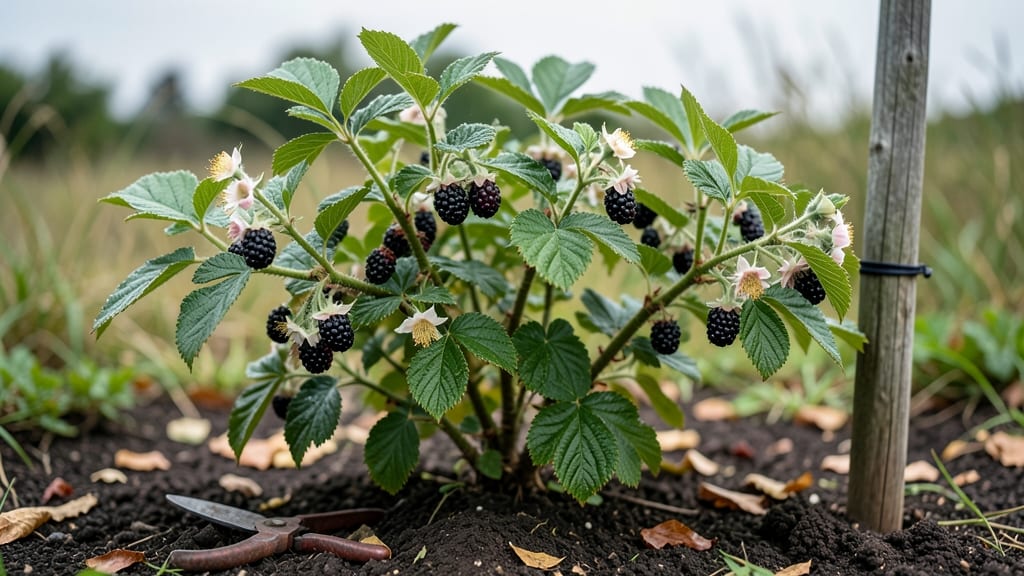
Your garden can double as a pantry and a pollinator paradise with berries in flowers—plants that feed both you and the bees. 🌸 I’ve designed my own edible landscape using shrubs like pyracantha and viburnum, where every bloom turns into a berry bonanza by fall.
The key is choosing plants that deliver year-round interest: fragrant spring flowers, summer fruit, and winter berries that birds adore.
Start with a mix of evergreens like holly (for glossy red berries) and deciduous shrubs like elderberry (for clusters of purple-black fruit). Flowering fruit trees like cherry or plum add height and seasonal drama, while ground covers like strawberries spill over edges with edible blooms.
These plants thrive in full sun to partial shade, making them adaptable to most landscapes.
By summer, you’ll be harvesting berries straight from the garden while bees buzz happily between blooms. The berries add vibrant pops of color—deep purples, fiery reds, and sunny yellows—that keep the garden lively through frost. Plus, the fruit attracts wildlife, turning your yard into a thriving ecosystem.
Whether you’re planting a small border or a full hedgerow, these dual-purpose plants work beautifully in containers, along fences, or as focal points. The best part? They reward you with both beauty and bounty—no compromise needed. Let’s get your garden growing food and flowers!
📚 In This Guide
- What you need
- Instructions
- Tips and common mistakes
- Wrapping up and next steps
What you need
- ● Berry plants (edible & pollinator-friendly): 1–3 blueberry bushes (dwarf or standard, depending on space)
- ● 2–4 raspberry canes (fall-bearing or ever-bearing varieties)
- ● 1–2 blackberry brambles (thornless varieties for easier harvesting)
- ● 3–5 currant or gooseberry bushes (red, black, or white)
- ● 1–2 flowering shrubs (e.g., elderberry, honeysuckle, or serviceberry for pollinators)
- ● Flowering companion plants (pollinator magnets): 10–20 native wildflowers (e.g., bee balm, coneflowers, or milkweed)
- ● 5–10 herbs (basil, thyme, or oregano—double duty for pollinators and cooking!)
- ● Soil amendments: 2–3 bags compost (for enriching planting beds)
- ● 1–2 lbs organic mulch (pine straw, wood chips, or leaves)
- ● Basic gardening tools: 1 gardening trowel (for planting small roots)
- ● 1 pruning shears (sharp and clean for trimming)
- ● 1 hand fork (for aerating soil)
- ● 1 wheelbarrow (for hauling soil/mulch)
- ○ Optional (but helpful!): 1 soil pH tester (especially for blueberries—aim for 4.5–5.5)
- ● 1 drip irrigation kit (for consistent watering)
- ● 1–2 pollinator-friendly birdhouses (for extra wildlife support)
- ● ✅ Sunlight: Choose a spot with 6+ hours of full sun daily (berries love light!).
- ● 💡 Soil prep: Test and amend soil before planting—berries thrive in well-draining, slightly acidic soil (except currants/gooseberries, which prefer neutral pH).
- ● 🌡️ Climate check: Pick berry varieties suited to your USDA hardiness zone (e.g., cold-hardy blueberries for Zone 3+).
- ● 🎯 Pollinator planning: Space flowers 10–15 feet apart for easy bee/bird access between berry patches.
How to design a pollinator-friendly berry garden
Here's how to blend beauty with bounty—creating a garden that feeds both you and the bees.
🌱 Step 1: Select the Right Edible Flowers and Berries
Start with plants that produce both flowers and fruit, like blueberries, currants, or elderberries. These double as nectar sources for pollinators while delivering harvests. I always include at least three varieties to ensure continuous blooms—early spring for fruit trees, summer for berries, and fall for late-blooming perennials like asters.
Check your USDA hardiness zone to pick cold-hardy options. For example, blueberries thrive in zones 3-7, while raspberries prefer zones 5-9. Mix shrubs (like gooseberries) with vines (like hardy kiwi) for vertical interest and year-round structure.
☀️ Step 2: Plan for Sunlight and Pollinator Pathways
Most berry-producing plants need full sun (6-8 hours daily), but some like elderberries tolerate partial shade. Arrange plants so flowers face south-facing slopes for maximum sun exposure. I space them 3-5 feet apart to allow airflow and easy harvesting.
Create pollinator corridors by planting flowers in clusters—bees and butterflies prefer dense blooms over scattered ones. Add native wildflowers like bee balm or coneflowers between berry bushes to extend the nectar season. Avoid pesticides entirely; even "organic" sprays can harm pollinators.
💧 Step 3: Prepare Soil for Acid-Loving and Moisture-Needy Plants
Berries like blueberries and cranberries demand acidic soil (pH 4.5-5.5)—test your soil first and amend with peat moss or pine needles if needed. For moisture-loving plants like elderberries, improve drainage by mixing in compost and perlite to prevent root rot.
Mulch heavily with wood chips or straw to retain moisture and suppress weeds. I top-dress with aged compost in early spring to feed roots without disturbing the soil structure. Water deeply once a week (more in drought) to encourage deep root growth—dry soil stresses plants and reduces fruit set.
✂️ Step 4: Prune for Health and Abundance
Prune berry bushes in late winter or early spring before new growth begins. Remove dead, diseased, or crossing branches first—this improves airflow and reduces fungal risks. For raspberries, cut old canes to the ground after harvest to stimulate new fruiting canes.
Shape shrubs like blueberries into open, rounded forms to let sunlight penetrate. I always leave some last year’s growth on elderberries—they bear fruit on older wood. Prune flowers (like hibiscus) lightly to encourage bushier blooms, but avoid heavy cuts that reduce nectar production.
🪴 Step 5: Maintain Through the Seasons
Feed acid-loving plants with cottonseed meal in early spring, and use balanced fertilizer (10-10-10) for others. Monitor for pests like spider mites (common on berries) and treat with neem oil if needed—it’s safe for pollinators when used at dusk.
Harvest berries at peak ripeness—wait until they’re fully colored and slightly soft to touch. Leave 10-20% of the crop on the plant for wildlife, especially birds that disperse seeds. By fall, add fallen leaves as mulch to protect roots from winter frost while keeping the soil fertile.
Tips & tricks for perfect pollinator-friendly berry gardens
Creating a thriving garden that supports pollinators while yielding delicious berries takes a few strategic moves—here's how to maximize both beauty and bounty.
Layer for Continuous Blooms: In Step 1, when selecting your berry varieties, focus on plants that flower at different times. Early bloomers like blueberries (zones 3-7) pair beautifully with late-summer asters, while raspberries (zones 5-9) provide mid-season nectar. This creates a pollinator buffet from spring through fall.
Sunlight Strategy: For Step 2's 6-8 hours of daily sun requirement, position your south-facing slope plants slightly higher than others. This ensures they receive maximum morning sunlight while still getting afternoon light. I've found that elderberries, which tolerate partial shade, make excellent understory plants near taller blueberry bushes.
Soil Secrets: When preparing soil in Step 3, test your pH before amending—many garden centers offer free tests. For acid-loving plants, mix equal parts peat moss and pine needles into the top 6 inches of soil. This creates the perfect pH 4.5-5.5 environment without over-acidifying. For moisture-loving varieties, add perlite to improve drainage while keeping that essential moisture retention.
Pruning Precision: In Step 4, when pruning raspberries, cut those old canes to the ground after harvest—but don't remove them all at once. Leave 2-3 canes uncut each year to maintain some fruiting capacity while stimulating new growth. For blueberries, I shape them into open forms by removing only the oldest wood, which prevents overcrowding and fungal issues.
Pro Tips for Berries In Flowers
- Creating a thriving garden that supports pollinators while yielding delicious berries takes a few strategic moves—here's how to maximize both beauty and bounty.
- Layer for Continuous Blooms: In Step 1, when selecting your berry varieties, focus on plants that flower at different times.
- Sunlight Strategy: For Step 2's 6-8 hours of daily sun requirement, position your south-facing slope plants slightly higher than others.
Frequently asked questions
Got questions about growing berries among flowers? You’re not alone! Here are some of the most common queries—and their answers—to help you create a thriving, pollinator-friendly edible landscape.
Can I grow berries and flowers together without pests taking over?
Planting berries like blueberries or currants alongside pollinator-friendly flowers (e.g., lavender or coneflowers) deters pests naturally. Flowers attract beneficial insects like ladybugs, which prey on aphids—common berry pests. Just keep plants spaced properly (berries need airflow) and rotate crops annually to minimize issues.
When is the best time to plant berries with flowers?
For most berries, early spring (after last frost) or fall (6 weeks before first frost) works best. Pair them with perennials like strawberries (plant in spring) or raspberries (bare-root in winter). Annual flowers (e.g., nasturtiums) can be sown alongside berries in spring for instant pest control and beauty.
What are the easiest berries to grow alongside flowers?
Start with low-maintenance berries like:
- Strawberries – Spreads easily; pairs well with marigolds (repels pests).
- Blueberries – Thrives with thyme (deters weeds) and bee balm (attracts pollinators).
- Currants/Gooseberries – Companion plants: borage (boosts flavor) or calendula (deters slugs).
All three tolerate partial shade, perfect for underflower beds!
Why aren’t my berries ripening when flowers are blooming?
Berries need consistent pollination and sunlight (6+ hours/day). If flowers bloom but berries fail to set:
- Check for bees/wasps—if absent, hand-pollinate with a paintbrush.
- Ensure soil pH matches berry needs (e.g., blueberries need acidic soil, pH 4.5–5.5).
- Thin fruit clusters early to avoid overcrowding.
Add clover or dill nearby to lure more pollinators!
Can I use flowers to improve berry soil naturally?
Yes! Plant comfrey or clover near berries—they:
- Fix nitrogen in the soil (boosts berry growth).
- Attract pollinators (more fruit set).
- Suppress weeds (reduces competition).
Mulch with wood chips or grass clippings to retain moisture and deter weeds. Avoid fresh grass clippings—they can burn plants!
Wrapping up and next steps
Transforming your garden into a pollinator paradise with berries in flowers isn’t just rewarding—it’s a gift to nature! 🌸 From vibrant blueberries to delicate currants, these plants offer beauty, bounty, and a thriving ecosystem for bees, butterflies, and birds.
Whether you’re a beginner or a seasoned gardener, every step you take helps restore balance while filling your plate with fresh, delicious treats.
Ready to take the next step? Start small—plant a single berry bush or a patch of edible flowers this season! Research local varieties, sketch a simple layout, and watch your garden (and your harvest) grow. Happy gardening! 🌱✨