
Flowers
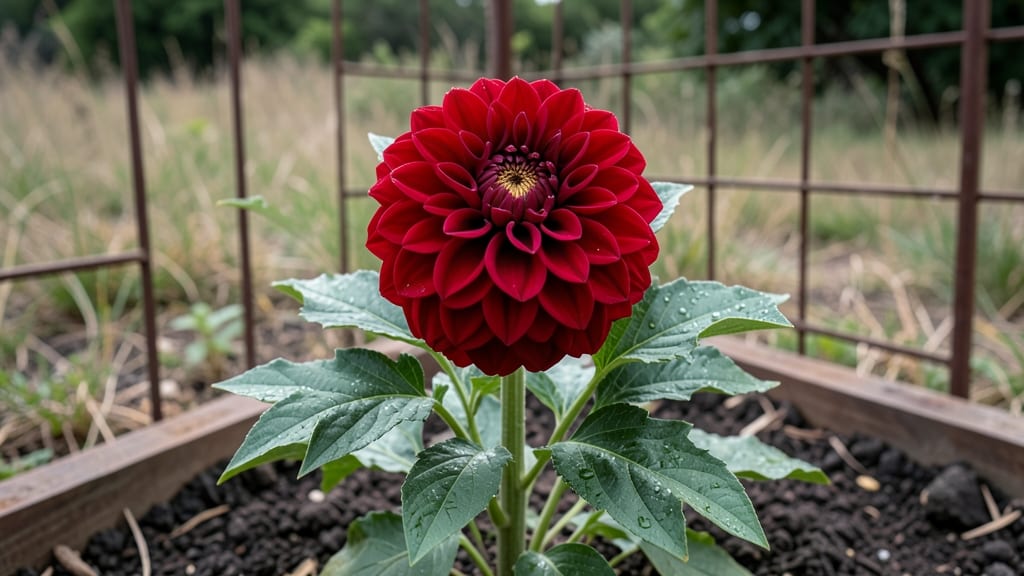
Ball dahlia flowers transform your garden into a sky-blue dream with their glossy, rounded blooms that seem too perfect to be real. 🌿 I remember the first time I saw a full patch of them—it looked like someone had draped a velvet canopy over the garden, and I knew I had to grow them myself.
These dahlias aren't just pretty; they're tough, long-blooming powerhouses that reward even the busiest gardener with weeks of color if you prune them right.
The secret to their success starts with the right conditions: full sun (at least 6 hours daily), well-draining soil mixed with compost, and consistent moisture—never soggy roots. Most gardeners struggle with two things: overwatering (which causes root rot) and under-pruning (which leads to leggy stems).
But once you master these, you'll have blooms from mid-summer straight through frost, with proper care extending their season even longer.
What makes ball dahlias special is how they respond to pruning—cutting back aggressively in early summer forces them to branch out and produce even more flowers.
Picture this: after a hard prune, you'll see fresh, dark green growth within days, followed by dense clusters of blooms that turn heads at every neighborhood stroll. The key is timing and technique, and I'll walk you through exactly how to do it without sacrificing next year's growth.
These flowers also play nicely with others, thriving alongside shrubs like lavender or perennials like coneflowers, which helps keep pests at bay. And don't worry if you're new to dahlias—they're far more forgiving than their delicate-looking blooms suggest.
With the right approach, you'll have a garden centerpiece that's bold, blue, and blooming for months to come.
📚 In This Guide
- What you need
- Instructions
- Tips and common mistakes
- Wrapping up and next steps
What you need
- ● Ball Dahlia Tubers: 3–5 high-quality tubers (look for ‘Blue Bayou’ or ‘Karma Choc’ varieties for bold color).
- ● Well-draining Potting Mix: 5–10 gallons (use a blend of 60% garden soil, 30% compost, and 10% perlite or sand).
- ● Containers or Garden Bed: Containers: 12–15" deep pots with drainage holes (1 per tuber).
- ● Garden Beds: Full sun (6+ hours/day) and loose, fertile soil.
- ● Slow-Release Fertilizer: 10–20–10 NPK ratio (1 tbsp per plant at planting).
- ● Organic Mulch: Straw or shredded bark (2–3 inches to retain moisture).
- ● Hand Trowel or Pruners: Sharp, sterilized tools for planting and trimming.
- ● Watering Can or Hose: With a gentle spray nozzle for hydration.
- ● Stakes or Cages: 3–4 ft tall (dahlias need support!).
- ● Gloves: Heavy-duty for handling tubers and soil.
- ○ Optional (But Helpful!): Epsom salt (1 tbsp/month for magnesium boost).
- ● Floral wire or twine for securing stems.
- ● Grow lights (if starting indoors early).
- ● Climate: Plant after the last frost (Zone 3–10). Tubers are not frost-tolerant!
- ● Sunlight: Full sun is a must—no compromises!
- ● Watering Routine: Keep soil consistently moist (not soggy).
- ● Pruning Knowledge: Learn to deadhead spent blooms and cut back stems by ⅔ in fall to prep for dormancy.
Step-by-step instructions for cultivating stunning ball dahlias
Here's how to coax those bold blue blooms into a lush, year-round display with minimal fuss.
🌱 Step 1: Choose and Prepare Tubers for Planting
Ball dahlias thrive when planted after the last frost, when soil reaches 60°F and nighttime temperatures stay above 50°F. Select firm, plump tubers with multiple "eyes" (growth nodes) and soak them in lukewarm water for 6-12 hours before planting. This jumpstarts root growth and ensures vigorous stems.
I like to plant tubers 3-4 inches deep in loose, well-draining soil mixed with 2-3 inches of compost. The eyes should face upward—think of them like tiny potatoes with growth points. Space tubers 18-24 inches apart to allow for their dramatic, rounded growth habit. If planting multiple varieties, group them by color for a cohesive display.
☀️ Step 2: Provide Full Sun and Consistent Moisture
Ball dahlias demand 6-8 hours of direct sunlight daily for their signature bold blooms. A south-facing location with afternoon shade in hot climates keeps foliage lush without scorching. I water deeply 2-3 times per week, aiming for 1-2 inches of moisture per week, and always water at the base to avoid wetting the leaves—this prevents fungal diseases like powdery mildew.
Mulch with 2-3 inches of organic matter (like shredded bark) to retain moisture and regulate soil temperature. The mulch also protects tubers from extreme heat or cold. You'll know you're on track when stems emerge 4-6 weeks after planting—they'll grow fast once established.
✂️ Step 3: Prune for a Full, Bushy Canopy
This is where ball dahlias shine: their pruning strategy turns them into year-round bloomers. When stems reach 12 inches tall, pinch off the top set of leaves just above a strong lateral branch. This encourages the plant to branch out, creating a dense, rounded shape. Repeat this process every 2-3 weeks throughout the growing season to maintain a full, bushy habit.
Deadhead spent blooms by cutting back to the first set of leaves below the flower. This redirects energy to new growth and prolongs the blooming season. In late summer, I give my dahlias a light trim to remove any leggy or overcrowded stems—this keeps air circulating and prevents disease.
🌿 Step 4: Extend the Season with Strategic Care
To keep ball dahlias flowering well into fall, I fertilize lightly every 4-6 weeks with a balanced, slow-release fertilizer (like 10-10-10). Avoid heavy nitrogen—it promotes leafy growth at the expense of blooms. In cooler climates, I cover plants with frost cloth when nighttime temperatures dip below 40°F, extending the season by 2-3 weeks.
Here's the thing—ball dahlias are not winter-hardy in most regions. Before the first frost, cut back stems to 6 inches tall, dig up tubers carefully, and store them in a cool, dry place (like a garage) with 50-60°F temperatures. I wrap them in damp peat moss to prevent drying out and check them monthly for rot or pests.
Tips & tricks for cultivating stunning ball dahlias
A few simple strategies can transform your ball dahlias from ordinary to showstopping—here's what I've learned after years of growing these dramatic bloomers.
Soaking Secret: The 6-12 hour soak in lukewarm water isn't just about hydration—it's about waking up those dormant eyes. I add a pinch of rooting hormone to the water (optional but helpful) to give your tubers an extra boost. This step is especially critical if you've stored tubers over winter, as it helps compensate for any moisture loss during dormancy.
Planting Depth Matters: Those 3-4 inches of depth might seem shallow, but planting too deep can smother the tubers while too shallow exposes them to temperature swings. I make a small mound of soil first, place the tuber on top with eyes facing up, then cover it—this ensures proper depth while keeping the growth points accessible. For extra insurance, I add a handful of perlite to the planting hole to improve drainage.
Sunlight Strategy: While 6-8 hours of direct sun is ideal, I've found that morning sun with afternoon shade works best in hot climates. The intense afternoon sun can scorch leaves, especially during summer's peak. If your garden gets intense afternoon rays, consider using a shade cloth (30-50%) during the hottest hours to protect your plants without sacrificing their vibrant color.
Pruning Precision: When you're pinching those stems at 12 inches tall, look for the strongest lateral branch—it should be at least pencil-thick. I use clean, sharp pruners and make cuts at a 45-degree angle just above a leaf node. This angled cut helps water run off and prevents rot. For the first few pinches, I might leave slightly longer stems (14-16 inches) to establish a stronger framework before going back to the 12-inch rule.
Pro Tips for Ball Dahlia Flower
- A few simple strategies can transform your ball dahlias from ordinary to showstopping—here's what I've learned after years of growing these dramatic bloomers.
- Soaking Secret: The 6-12 hour soak in lukewarm water isn't just about hydration—it's about waking up those dormant eyes.
- Planting Depth Matters: Those 3-4 inches of depth might seem shallow, but planting too deep can smother the tubers while too shallow exposes them to temperature swings.
Frequently asked questions
Got questions about growing ball dahlia flowers? You’re not alone! Here are answers to the most common queries—from planting to pruning—so you can cultivate a stunning, year-round display with confidence.
When is the best time to plant ball dahlias?
Plant ball dahlia tubers in spring, after the last frost when soil temps reach 60°F (15°C). For warmer climates, you can plant as early as February. Wait too long, and blooms may arrive late in the season. Pro tip: Soak tubers overnight before planting to kickstart growth!
How do I prune ball dahlias for continuous blooms?
Prune ball dahlias by cutting back stems to 12–18 inches (30–45 cm) in early summer. This encourages bushier growth and year-round blooms if you live in a mild climate. Deadhead spent flowers regularly to redirect energy to new buds. Warning: Avoid heavy pruning late in the season—it can stress the plant before winter.
Can ball dahlias survive winter in cold climates?
No—ball dahlias are tender perennials and cannot survive freezing temps. Dig up tubers before the first frost, trim foliage, and store them in a cool (40–50°F/4–10°C), dry place (like a garage) wrapped in peat moss or vermiculite. Replant in spring! Pro tip: Label tubers to avoid mix-ups next season.
What pests or diseases should I watch for?
Common issues include aphids, slugs, and powdery mildew. Use neem oil for pests and ensure good airflow to prevent mildew. Slugs love dahlia leaves—set out beer traps or use organic slug bait. Quick fix: Spray plants with water early in the morning to deter slugs before they munch!
Are ball dahlias good for cut flowers?
Ball dahlias
are cut-flower superstars—their bold, spherical blooms last 7–10 days in a vase. Harvest in the early morning with sharp shears, and change water every 2 days. Add a flower food packet to extend their life. Bonus: Their unique shape makes them perfect for mixed bouquets!
What’s a good alternative if ball dahlias don’t thrive?
If your climate or soil isn’t ideal, try pompon dahlias (similar care, slightly hardier) or anemone dahlias (disease-resistant and drought-tolerant). For a low-maintenance alternative, black-eyed Susans or coneflowers offer long-lasting blooms with minimal fuss.
Wrapping up and next steps
Growing ball dahlia flowers is a rewarding journey that brings bold beauty to your garden year-round! With the right soil, sunlight, and pruning techniques, you’ll enjoy a stunning blue canopy that thrives from summer to frost.
Don’t let challenges discourage you—every gardener starts somewhere, and your efforts will bloom into breathtaking results.
Ready to dive deeper? Start by experimenting with cuttings or seeds this season, and soon, you’ll be sharing your dahlia masterpiece with fellow gardeners! 🌸✨