
Flowers
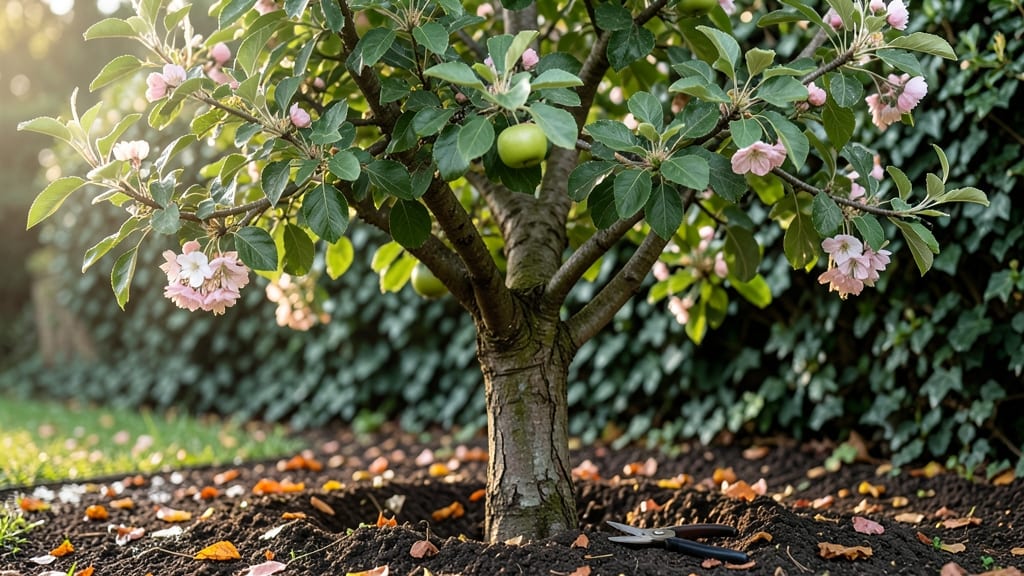
Growing apple trees for their stunning flowers is the secret to a fragrant spring display that outshines any ornamental tree. 🌸 The key lies in choosing the right varieties and giving them the care they need to burst into bloom—whether in containers or ground beds.
My first attempt with a dwarf apple tree proved it: with proper pruning and pollination, those delicate white blossoms become a magnet for bees and a showstopper in the garden.
You’ll need a sunny spot with well-draining soil, a pollination partner (or a second tree), and a little patience—apple flowers take a few years to reach their full glory. The payoff? Clusters of fragrant blooms in early spring, followed by fruit if you’ve got the timing right.
Even in containers, dwarf varieties like 'Columnar' or 'Liberty' deliver the same floral spectacle without the space commitment.
Pruning in late winter sets the stage for better flowering, while thinning fruit later ensures the remaining apples grow large and sweet. The scent alone makes it worth the effort—imagine stepping into your garden and being greeted by that unmistakable apple blossom fragrance.
With the right approach, you’ll turn your yard into a springtime paradise.
This method works for both ground beds and containers, making it adaptable to any space. Whether you’re a beginner or a seasoned gardener, the joy of apple flowers is within reach—just follow the steps and let nature do the rest.
📚 In This Guide
- What you need
- Instructions
- Tips and common mistakes
- Wrapping up and next steps
What you need
- ● Apple flower plants (Malus spp.) – Choose dwarf varieties (e.g., 'Red Sentinel,' 'Evereste') for containers or standard sizes for ground beds. Quantity: 1-3 plants per container (12-18" diameter) or 3-5 plants per ground bed (spaced 6-10 ft apart).
- ○ Well-draining potting mix – For containers, use a blend of 50% garden soil, 30% compost, and 20% perlite/sand. Optional: Add slow-release fertilizer (10-10-10 NPK) for a nutrient boost.
- ○ Containers (if applicable) – 12-18" diameter pots with drainage holes or large fabric grow bags for root health. Optional: Decorative planters for aesthetic appeal.
- ● Mulch – 2-3 inches of organic mulch (e.g., shredded bark or straw) to retain moisture and suppress weeds.
- ● Garden trowel or shovel – For planting and soil prep.
- ● Pruning shears – To shape plants and remove dead blooms.
- ● Watering can or hose with nozzle – For gentle, deep watering.
- ○ pH test kit (optional but helpful) – Apple flowers thrive in slightly acidic soil (pH 6.0-7.0).
- ● Sunlight access – Full sun (6+ hours/day) for optimal blooms.
How to grow apple blossoms for a fragrant garden display
Here's how to coax those iconic blooms from your own plants—whether in pots or garden beds.
🌱 Step 1: Choose the Right Variety for Your Climate
Apple blossoms come from dwarf apple tree varieties bred specifically for ornamental use, like 'Red Sentinel' or 'Royalty'. These stay small enough for containers while still producing stunning spring blooms. Check your hardiness zone—most ornamental apples thrive in zones 4-8, but some varieties extend into zone 3.
Here's the thing—you'll want a self-pollinating variety if growing a single plant. For maximum blooms, plant two compatible varieties within 50 feet of each other. The fragrance alone makes it worth the effort, but you'll also get tiny apples that birds will love (or you can harvest for cider).
🪴 Step 2: Prepare the Planting Site or Container
For ground beds, choose a location with full sun exposure (6+ hours daily). The soil should drain well—apple trees hate soggy roots. If your native soil is heavy clay, amend with 2-3 inches of compost mixed into the top 12 inches of soil. Dig a hole twice as wide as the root ball but only as deep.
For containers, use a 5-gallon pot minimum with drainage holes. Fill with a mix of 50% potting soil and 50% perlite or coarse sand to prevent compaction. Place the tree in the pot, then fill around the roots with additional mix, pressing gently to eliminate air pockets. Water thoroughly until it runs out the drainage holes.
☀️ Step 3: Plant and Establish for Spring Blooms
Position the tree so the top of the root ball sits 1 inch above soil level. This prevents water from pooling around the trunk. Backfill with native soil or amended mix, then create a 2-inch deep watering basin around the base. Water deeply to settle the soil and remove any air pockets.
Mulch with 2-3 inches of organic mulch (like wood chips) keeping it 3 inches away from the trunk. This conserves moisture and regulates soil temperature—critical for root development before spring blooms. You'll see new growth in 4-6 weeks, signaling the roots have established.
✂️ Step 4: Prune and Care for Maximum Blooms
Prune in late winter or early spring before buds swell. Remove any dead, crossing, or inward-growing branches first. Then open the center of the tree by cutting back some branches to improve airflow—this prevents fungal diseases that can rot blossoms. Aim to keep the shape natural but balanced.
Feed with a balanced fertilizer (10-10-10) in early spring when new growth appears. Water deeply once weekly during dry spells, but never let the soil stay soggy. You'll know you're doing it right when you see pink buds forming in late winter—that's your cue to reduce watering slightly to prevent bud rot.
🌿 Step 5: Enjoy the Blooms and Plan for Next Year
The first flush of blossoms typically appears in 3-5 years for container-grown trees (faster than in-ground). When blooms fade, you can remove spent flowers to encourage more blooms next year—or leave them on if you want tiny apples for birds. The fragrance alone makes it worth the wait, but the visual impact of a tree covered in blossoms is unbeatable.
After blooming, feed again in early summer with a low-nitrogen fertilizer (5-10-10) to encourage root growth for next year's flowers. In fall, apply a 2-inch layer of compost around the base (but not touching the trunk) to build soil fertility naturally. You'll see stronger blooms each subsequent year with proper care.
Tips & tricks for perfect apple blossom displays
These simple strategies will help you maximize fragrance and beauty from your ornamental apple trees.
Variety Pairing: If you're planting just one tree, choose a self-pollinating variety like 'Red Sentinel'—it will still produce blossoms, though you might get fewer apples. For maximum blooms and fruit, plant two compatible varieties within 50 feet of each other. I've found that 'Royalty' and 'Red Sentinel' pair beautifully together, creating a stunning visual display and stronger fragrance. The bees will thank you too!
Sunlight Secret: That 6+ hours of full sun requirement isn't just about light—it's about heat. Apple blossoms need warmth to open properly. If you're in a cooler climate (zones 3-4), consider planting near a south-facing wall or using black landscape fabric to warm the soil. I've seen blossoms open 2-3 days earlier when planted in these warmer microclimates.
Container Care: For potted trees, remember that containers dry out faster than ground beds. Check moisture daily during hot weather—stick your finger 1-2 inches into the soil. If it's dry at that depth, water thoroughly until it runs out the drainage holes. Overwatering is just as bad as underwatering for container-grown apple trees, so let the top inch dry between waterings.
Pruning Precision: When you're pruning in late winter, focus on creating an open center rather than just removing dead branches. This airflow improvement is what prevents fungal diseases that can rot blossoms before they even open. I like to step back occasionally while pruning to visualize how the tree will look—aim for a shape where sunlight can reach all branches evenly.
Pro Tips for Apple With Flower
- These simple strategies will help you maximize fragrance and beauty from your ornamental apple trees.
- Variety Pairing: If you're planting just one tree, choose a self-pollinating variety like 'Red Sentinel'—it will still produce blossoms, though you might get fewer apples.
- Sunlight Secret: That 6+ hours of full sun requirement isn't just about light—it's about heat.
Frequently asked questions
Got questions about growing apple blossoms? You’re not alone—these fragrant beauties require a little extra care! Here are answers to the most common queries to help you cultivate a thriving apple with flower display, whether in containers or ground beds.
How long does it take for an apple tree to flower?
Most apple trees take 3–5 years to produce flowers after planting, depending on the variety and growing conditions. Dwarf varieties may bloom sooner (2–3 years), while standard trees can take longer. Patience is key—focus on proper pruning and care to encourage early blooms!
Can apple blossoms survive frost? What should I do if frost is forecasted?
Apple blossoms are extremely frost-sensitive—temperatures below 28°F (-2°C) can damage or kill them. If frost is predicted, use frost cloths, row covers, or even a sprinkler system to protect buds. Avoid overhead watering before frost, as ice can weigh down branches.
Why aren’t my apple tree flowers turning into fruit?
Missing fruit after blooms could mean pollination issues (apple trees often need two compatible varieties for cross-pollination), late frost (damaging flowers before pollinators arrive), or poor growing conditions (like nutrient deficiencies). Try planting a second variety nearby, hand-pollinate with a paintbrush, or check for pests like apple blossom weevils.
Can I grow apple blossoms in containers? What’s the best pot size?
Yes! Dwarf or semi-dwarf apple trees thrive in containers. Choose a pot at least 18–24 inches deep with drainage holes and use well-draining potting mix. Ensure the container gets 6+ hours of sunlight daily and move it indoors (or to a garage) if frost threatens. Root-bound trees bloom less—repot every 2–3 years.
Are there low-maintenance apple varieties with reliable flowers?
Try ‘Liberty’ (disease-resistant, great for containers), ‘Honeycrisp’ (prolific blooms), or ‘Anna’ (self-pollinating and compact). For ornamental blooms without fruit, consider crabapple varieties like ‘Sargent’ or ‘Adams’, which are hardy and low-fuss.
How do I prune apple trees to encourage more flowers?
Prune in late winter or early spring before buds swell. Remove dead, crossing, or overcrowded branches to improve airflow. Open the center of the tree to let sunlight reach inner buds. Avoid heavy pruning—aim for 20–30% of the canopy to balance growth and flowering. Use sterilized tools to prevent disease!
Wrapping up and next steps
Growing an apple with flower—like the stunning Malus varieties—brings beauty, fragrance, and a touch of edible magic to your garden! Whether you’re planting in containers or ground beds, remember that patience and care are key.
With the right soil mix, sunlight, and a little pruning love, your tree will reward you with gorgeous blossoms and delicious fruit for years to come.
Ready to take the next step? Start small—plant one tree this season and watch it grow! Share your progress with fellow gardeners or explore local orchard tours for inspiration. Happy planting! 🌸🍎