
Flowers
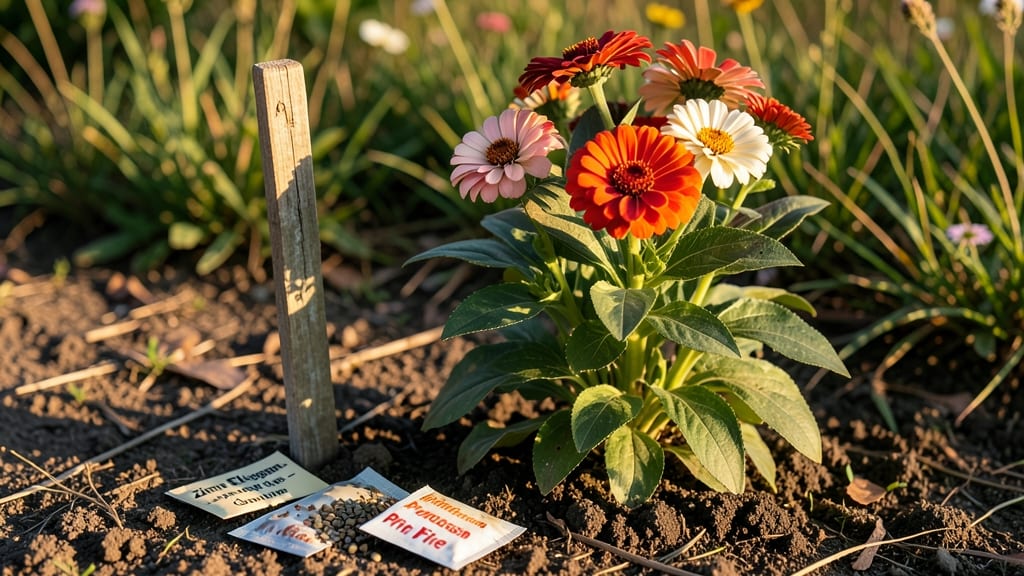
Annual flowers aren’t just pretty—they’re nature’s secret language, whispering meaning through color and bloom. 🌸 My first garden was a riot of red poppies and purple cleome, and I only later learned those weren’t just random choices.
Each shade tells a story, whether it’s the bold confidence of red geraniums or the quiet hope of white sweet alyssum.
Think of your garden as a canvas where every flower carries weight. Sunflowers scream joy, marigolds honor remembrance, and pansies whisper gratitude. The key? Pairing colors with intentions—like deep blues for calm or fiery oranges for passion.
Even a small balcony planter can become a symbolic statement when you know which blooms to include.
You’ll end up with spaces that feel intentional, not random. A wedding anniversary border with roses and forget-me-nots speaks louder than any card. Seasonal displays—like summer’s bold zinnias or autumn’s golden chrysanthemums—create moods that shift with the year.
The best part? These meanings travel beyond your yard into bouquets, gifts, and even home decor.
No need for complicated layouts—just let the flowers do the talking. Start with one meaningful bloom, then build from there. Your garden will tell stories without you ever saying a word.
📚 In This Guide
- What you need
- Instructions
- Tips and common mistakes
- Wrapping up and next steps
What you need
- ● Annual flowers: Choose 3–5 varieties based on color meanings (e.g., red roses 🌹 for love, white lilies 🌺 for purity, or sunflowers 🌻 for happiness). Aim for 10–20 stems per arrangement, depending on size.
- ● Floral preservative: 1 packet (e.g., Floralife) to extend freshness.
- ● Scissors or floral shears: Sharp, clean pair to trim stems at a 45° angle.
- ● Vase or container: 1–2 clean, wide-mouthed vessels (glass, ceramic, or even mason jars 🍂). Size should hold water for all stems.
- ● Water: Distilled or tap water (preferably room temperature).
- ○ Optional decorative elements: Ribbon or twine 🎀 (for tying stems or wrapping containers).
- ● Greenery (e.g., eucalyptus 🌿 or ivy) to fill gaps.
- ● Dried flowers or herbs (e.g., lavender 🌼) for texture.
- ● Pebbles or floral foam (to secure stems in non-traditional containers).
- ● Access to a fresh water source (sink or pitcher).
- ● A clean, flat surface (e.g., table or countertop) for arranging.
- ● Knowledge of basic color symbolism (or a quick reference guide 📖).
- ○ Optional: A spray bottle with water for misting leaves.
How to choose annual flowers for their symbolic meanings
Here's how to pick the perfect blooms for any moment—no gardening experience needed.
🌱 Step 1: Understand Color Meanings for Common Occasions
Red annuals like geraniums or petunias scream passion and love—ideal for Valentine's Day or romantic gestures. White flowers such as sweet alyssum or zinnia symbolize purity and new beginnings, perfect for weddings or graduation gifts. Purple blooms like cleome or snapdragons represent admiration and dignity, making them great for professional settings or honoring achievements.
Yellow annuals such as marigolds or calendula stand for friendship and joy—think birthday bouquets or thank-you gifts. Blue flowers like cornflowers or lobelia symbolize trust and loyalty, perfect for anniversaries or apologies. Mixed colors? Sunflowers represent happiness and longevity, making them versatile for almost any occasion.
🌿 Step 2: Match Flower Types to Their Symbolic Messages
For celebrations, go with roses (love) or dahlias (elegance). Sunflowers or daisies bring cheer to everyday moments. Need comfort? Lavender (calm) or white roses (innocence) are perfect for sympathy arrangements. For gratitude, carnations (especially in yellow or pink) or gerbera daisies (innocence) work beautifully.
Here's the thing—some flowers carry deeper meanings. Poppies symbolize remembrance (ideal for Memorial Day), while chrysanthemums represent loyalty in some cultures. Tulips in red mean "perfect love," but in purple, they symbolize royalty. Always double-check the shade and type before sending your message.
☀️ Step 3: Plan Your Arrangement for Maximum Impact
Start with one dominant color (like deep red salvia) to set the tone, then add 2-3 complementary shades (white babys breath or yellow marigolds) for depth. Place taller flowers like sunflowers or delphiniums at the back, medium-height blooms like petunias in the middle, and trailing flowers like nasturtiums or lobelia at the front for movement.
Don’t forget foliage—green leaves (like coleus or sweet potato vine) add texture and balance bright blooms. For a romantic vibe, mix pink roses with white snapdragons. For a festive look, combine red geraniums with yellow marigolds and purple cleome. The key is contrast: dark leaves against bright flowers make the message pop.
✂️ Step 4: Preserve the Meaning Through Care
Cut stems at an angle and place them in lukewarm water immediately to extend their life. Remove lower leaves that might sit underwater—they rot faster and block water uptake. Change the water every 2-3 days and trim stems every 4-5 days to encourage fresh water absorption. This keeps your symbolic blooms looking vibrant longer.
Real talk: if the flowers wilt quickly, it’s not the message—it’s the setup. Use flower food packets (like those for roses) and store them in a cool, dark place overnight before gifting. A little extra care ensures the symbolism shines as brightly as the blooms themselves.
Tips & tricks for perfect annual flower arrangements
Between us, these small details make the difference between a thoughtful bouquet and one that truly speaks volumes.
Color Psychology Matters: Don't just pick flowers based on looks—consider the emotional impact. Red geraniums or petunias scream romance, while white zinnia or sweet alyssum convey purity. For professional settings, purple cleome or snapdragons show admiration without words. I always double-check color meanings before finalizing any arrangement.
Layering Creates Depth: In Step 3, when planning your arrangement, think vertically. Place your tallest blooms like sunflowers or delphiniums at the back, medium-height petunias in the middle, and trailing nasturtiums at the front. This creates movement and draws the eye through the arrangement. The contrast between dark foliage and bright blooms makes the message pop even more.
Care Extends the Message: The 2-3 day water change and 4-5 day stem trimming in Step 4 aren't just about longevity—they're about preserving the meaning. Flowers that stay fresh longer deliver your message for days, not hours. I've seen bouquets wilt after one night because someone skipped these simple steps. Don't make that mistake!
Pro Tips for Annual Flowers Meaning
- Between us, these small details make the difference between a thoughtful bouquet and one that truly speaks volumes.
- Color Psychology Matters: Don't just pick flowers based on looks—consider the emotional impact.
- Layering Creates Depth: In Step 3, when planning your arrangement, think vertically.
Frequently asked questions
Got questions about annual flowers and their meanings? You’re not alone! Here are some of the most common inquiries—plus quick answers to help you pick the perfect blooms for any occasion.
What do different colors of annual flowers symbolize?
Annual flowers carry deep meanings based on color! Red symbolizes love and passion, white represents purity and new beginnings, yellow stands for friendship and joy, and purple conveys royalty or admiration. Pink often signifies gratitude or sweetness—perfect for brightening any moment!
When is the best time to plant annual flowers for year-round color?
Timing depends on your climate! In warm regions, plant cool-season annuals (like pansies) in fall and warm-season varieties (like marigolds) in spring. In cooler zones, start with spring planting for summer blooms, then add fall varieties for winter interest. Succession planting (spreading out sowing) keeps flowers blooming nonstop!
Can I use annual flowers for indoor arrangements, or are they only for gardens?
Many annuals—like gerbera daisies, snapdragons, or zinnias—thrive in bouquets and last 5–10 days with proper care. Cut stems at an angle, change water daily, and trim foliage to keep them fresh. Avoid wilting varieties (like impatiens) for indoor use—they’re best enjoyed outdoors!
What’s the easiest low-maintenance annual flower for beginners?
Start with marigolds, zinnias, or sunflowers—they’re hardy, drought-tolerant, and bloom prolifically with minimal fuss. Petunias and geraniums are also forgiving but may need occasional deadheading. For shade lovers, try impatiens or begonias—just keep soil moist!
What should I do if my annual flowers stop blooming?
Overly leafy, under-blooming plants often need a reset! Deadhead spent blooms regularly to encourage new flowers. Check light exposure—some (like sunflowers) need 6+ hours of sun. Fertilize lightly with bloom-boosting formula (high in phosphorus) and avoid overwatering. If pests are the issue, neem oil or insecticidal soap can help! →
Wrapping up and next steps
Annual flowers aren’t just beautiful—they’re tiny bursts of symbolism that can brighten any moment, from joyous celebrations to quiet reflections. Whether you’re gifting a bouquet, decorating a special space, or simply admiring their vibrancy, these blooms carry meanings as unique as the occasions they grace.
Let their colors inspire you to express what words sometimes can’t—because sometimes, the most powerful messages grow right before your eyes. 🌸
Ready to put their magic to work? Start by exploring our seasonal flower guides or sketching out a color palette for your next project. Every petal is a chance to make an impression—why not make it unforgettable?