
Plants
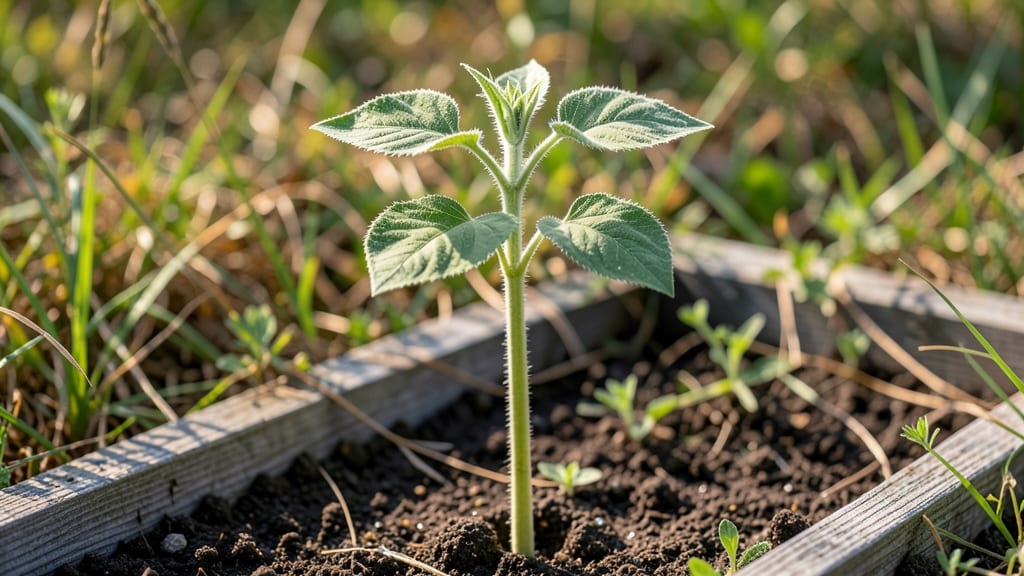
Sunflower seedlings need those first leaves to fuel their towering ambitions—but pruning them wrong can stunt growth before it starts. ✨ The key is knowing which leaves to keep and which to trim, so your plants don’t waste energy on weak foliage when they could be building that iconic stem.
Healthy sunflower seedling leaves should be vibrant green and firm to the touch, while yellowing or wilting leaves signal overwatering, pests, or poor soil.
Start by removing any leaves that look sickly or are touching the damp soil (to prevent rot), but leave the sturdy lower leaves intact—they’re the plant’s lifeline for early photosynthesis.
📚 In This Guide
- What you need
- Instructions
- Tips and common mistakes
- Wrapping up and next steps
What you need
- ● Sunflower seeds: Choose heirloom or hybrid varieties suited for your climate (e.g., 'Mammoth' or 'Russian Giant'). Buy 10–20 seeds for optimal spacing.
- ● Seed-starting trays or pots: Use biodegradable peat pots (3–4 inches deep) or 6-pack cell trays with drainage holes.
- ● High-quality potting mix: A seed-starting mix (sterile, well-draining) or a blend of 50% peat moss, 30% perlite, and 20% vermiculite.
- ● Grow lights or sunny window: Sunflower seedlings need 12–16 hours of light daily. A full-spectrum LED grow light works best if natural light is insufficient.
- ● Watering can or spray bottle: A gentle spray nozzle prevents soil displacement.
- ● Pruning shears or scissors: Use sharp, clean bypass pruners (or small scissors) for precise cuts.
- ○ Disinfectant (optional but recommended): Rubbing alcohol (70% isopropyl) to sterilize tools between cuts.
- ● Garden gloves: Protect your hands from dirt and thorns.
- ● Plant labels: Mark trays/pots with seed varieties and dates.
- ● Humidity dome or plastic wrap: Keeps seedlings moist during germination.
- ● Fertilizer (low-nitrogen):** A balanced 5-5-5 or 10-10-10 formula (diluted to half-strength) after the first true leaves appear.
- ● Transplanting tray or garden bed: Prepare a well-drained, sunny spot (6+ hours of sunlight) for seedlings once they’re 4–6 inches tall.
How to prune sunflower seedling leaves for stronger plants
Here's the simple method I use to keep sunflower seedlings sturdy and thriving.
🌱 Step 1: Wait for the Right Growth Stage
Don't touch seedlings until they've developed their first true leaves—those are the second set that appear after the initial cotyledons. You'll know they're ready when you see 4-6 inches of height and the stems are firm to the touch. Pruning too early stresses young plants.
I always wait until morning light hits the seedlings directly. This ensures the plants have had a full night's energy storage and can handle the stress of pruning. Watch for the leaves to appear plump and upright rather than wilted or curled.
✂️ Step 2: Remove Only the Bottom Leaves
Use clean, sharp scissors or your fingers to pinch off the lowest pair of leaves just above where they meet the stem. These bottom leaves are the oldest and no longer contribute to growth—they're just competing for energy. Leave the upper leaves untouched; they're doing all the photosynthesis work.
Here's the thing—don't remove more than one pair at a time. You'll see the stem below the leaves is often green and tender. That's normal, but don't strip it bare. The goal is to leave at least 3 inches of bare stem between the soil and the lowest remaining leaves.
🌿 Step 3: Focus on Airflow and Light Exposure
After pruning, space your seedlings so they're 6-8 inches apart. This improves airflow around the stems, which prevents fungal diseases like powdery mildew. I always rearrange my seedlings in a grid pattern after pruning to maximize this benefit.
Move the container to a spot with full sun exposure (6+ hours daily). You'll notice the remaining leaves perk up and turn a deeper green within 24 hours. This confirms the plant is photosynthesizing more efficiently. If leaves still look pale, supplement with a grow light for 4-6 hours.
💧 Step 4: Water and Fertilize Strategically
Water the base of the stems 1 inch deep immediately after pruning. Avoid wetting the leaves to prevent disease. I use a watering can with a narrow spout to direct moisture exactly where it's needed. The soil should feel damp but not soggy to the touch.
Wait 5-7 days before fertilizing. Once new growth appears on the upper leaves, apply a balanced fertilizer (10-10-10) at half strength. You'll see the seedlings respond with faster growth and thicker stems within a week. Over-fertilizing now can burn tender roots.
Tips & tricks for healthy sunflower seedling growth
Here's what nobody tells you about pruning sunflower seedlings that'll make all the difference in their development.
Timing is Everything: The 4-6 inch height guideline in Step 1 is your golden window—this is when sunflowers have built enough energy reserves to handle pruning without shock. I learned this the hard way after accidentally pruning seedlings that were only 2 inches tall, which set their growth back by nearly a week. The morning light check is especially important if your seedlings are in a shaded area.
The Technique That Changed Everything: When removing those bottom leaves in Step 2, use your thumb and forefinger to gently pinch the stem just above the leaf node—this prevents tearing the stem. I see people using scissors too close to the stem, which can create wounds that invite disease. The 3-inch bare stem rule isn't just about aesthetics; it's about creating a strong structural base for the plant's rapid vertical growth later.
Sunlight Strategy: That 6+ hours of full sun in Step 3 is non-negotiable, but here's the secret: position your seedlings so they get morning sun on their left side and afternoon sun on their right. This creates a natural spiral growth pattern that prevents the stems from becoming too thick on one side. The 24-hour color change is your best indicator that photosynthesis is working—if you don't see this, supplement with grow lights immediately.
Watering Wisdom: The 1-inch deep watering in Step 4 should always be done at soil level, never overhead. I use a spray bottle with a fine mist setting to lightly dampen the soil surface between waterings—this keeps the leaves dry while maintaining moisture. After pruning, I always water in the late afternoon so the plants have time to dry slightly before nightfall, reducing fungal risks.
Pro Tips for Sunflower Seedling Leaves
- Here's what nobody tells you about pruning sunflower seedlings that'll make all the difference in their development.
- Timing is Everything: The 4-6 inch height guideline in Step 1 is your golden window—this is when sunflowers have buil...
- The Technique That Changed Everything: When removing those bottom leaves in Step 2, use your thumb and forefinger to ...
Frequently asked questions
Got questions about nurturing your sunflower seedling leaves? You’re not alone! Here are some of the most common queries—and their easy solutions—to keep your young sunflowers thriving.
How often should I prune sunflower seedling leaves?
Prune only when necessary—like removing yellowed or damaged leaves—to avoid stressing the plant. For young seedlings (first 2–3 weeks), focus on sanitation (diseased leaves) rather than routine trimming. Once they’re 4–6 inches tall, light pruning (every 2–3 weeks) can encourage bushier growth. Pro tip: Use clean, sharp scissors to prevent tearing!
Can I prune sunflower leaves too much?
Yes! Over-pruning—especially early on—can stunt growth or weaken seedlings by removing too much foliage for photosynthesis. Stick to 10–20% of the plant’s leaves max per session. If you notice slow growth or pale stems after pruning, you’ve likely gone overboard. Sunflowers are resilient, but moderation is key!
When is the best time of day to prune sunflower seedlings?
Morning (between 8 AM–10 AM) is ideal because it gives leaves hours of sunlight to recover before evening. Avoid pruning in peak heat or late afternoon, as it can stress the plant. If you must trim later, water thoroughly afterward to help with recovery.
What if my sunflower seedling leaves turn yellow after pruning?
Yellowing can signal over-pruning, nutrient deficiency, or disease. First, check for pests (like aphids) or fungal spots. If the plant looks otherwise healthy, it’s likely just adjusting—yellow leaves at the base are normal as the plant matures. For extra support, feed with a balanced fertilizer (like 10-10-10) and ensure even watering.
Are there alternatives to pruning for managing sunflower seedling leaves?
Try these low-stress methods first:
- Thinning seedlings: Remove weaker seedlings to reduce competition for nutrients.
- Supportive stakes: Use bamboo stakes to train leaves away from soil (prevents rot).
- Mulching: Add organic mulch (like straw) to retain moisture and reduce leaf stress.
- Natural pruning: Let lower leaves yellow naturally—they’ll fall off on their own.
Wrapping up and next steps
Caring for your sunflower seedling leaves is all about balance—pruning the right way ensures strong stems, vibrant blooms, and a thriving plant. 🌱 Whether you’re trimming for shape, health, or better airflow, remember that patience and gentle hands make all the difference.
With these tips in your toolkit, you’re well on your way to growing sunflowers that’ll turn heads (and maybe even win local contests!).
Ready to take the next step? Start small—pick one seedling to practice on, and soon you’ll be a pruning pro. Happy gardening! 🌻