
Flowers
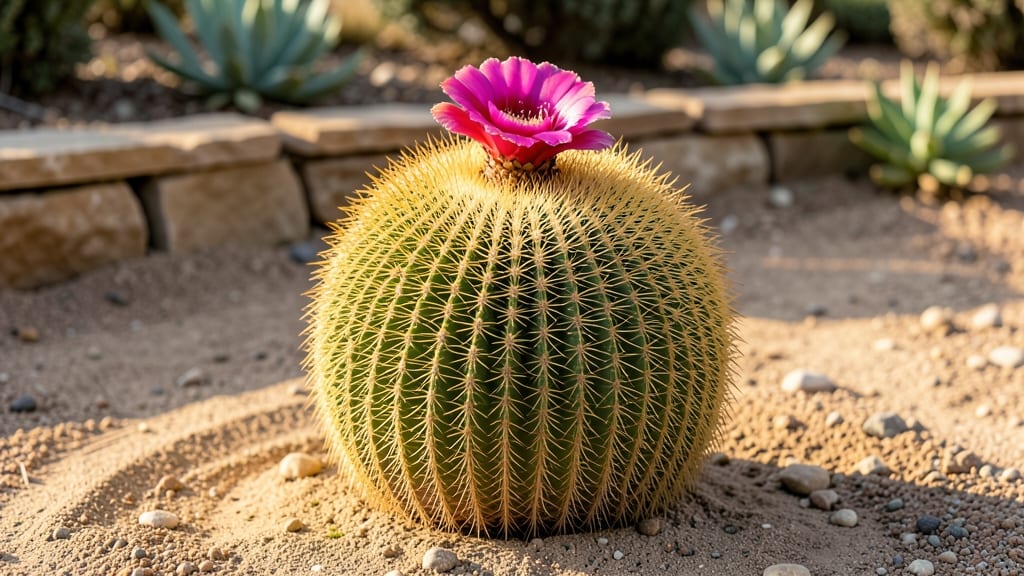
That round cactus with flower—like Gymnocalycium or Echinopsis—isn’t just a desert rock; it’s a living jewel that can burst into vibrant blooms if you prune it right.
I’ve watched mine go from stubborn green globes to showstoppers covered in pink, purple, or white flowers, and the secret isn’t just water or light—it’s knowing when and how to trim for maximum impact.
Most people skip pruning entirely, but a few strategic cuts in early spring encourage denser growth and trigger more flowers. You’ll need sharp shears, a clean workspace, and about 20 minutes—no fancy tools or horticultural degree required.
The key is targeting leggy stems or dead spots while leaving healthy pads intact, so your cactus stays compact and productive.
What you’ll end up with is a cactus that blooms year after year, with flowers lasting weeks instead of days. Imagine that same round shape you love, now crowned with delicate blossoms that hum with pollinators.
The best part? Pruning also prevents rot and pests, keeping your cactus thriving for decades.
Works for both sunny windowsills and outdoor desert gardens—just adjust timing for your climate. Let’s get those blooms going!
📚 In This Guide
- What you need
- Instructions
- Tips and common mistakes
- Wrapping up and next steps
What you need
- ● Clean, sharp pruning shears or scissors – Sterilized to avoid infection (sterilize with rubbing alcohol or a 10% bleach solution).
- ○ Gloves (optional but recommended) – Cactus spines can be prickly! Choose thick gardening gloves.
- ● Small container or tray – For collecting cuttings (use a shallow dish or plastic container).
- ● Well-draining cactus/succulent soil mix – Ensure it’s fast-draining (e.g., 50% potting soil + 50% perlite/pumice).
- ● Small pots (2-3 inches in diameter) – 1-2 per cutting, with drainage holes.
- ○ Rooting hormone (optional but helpful) – Speeds up root growth (choose a gel or powder).
- ● Spray bottle with water – For light misting (avoid soaking!).
- ● Rubbing alcohol or hydrogen peroxide (3%) – For sterilizing tools between cuts.
- ● Healthy, mature cactus – Prune only after it’s at least 1-2 years old and has multiple pads.
- ● Bright, indirect sunlight – Place cuttings in a warm, sunny spot (60-75°F) for rooting.
- ● Patience (4-6 weeks) – Rooting takes time—avoid overwatering!
How to prune a round flowering cactus for healthy growth
Pruning keeps your round cactus thriving and encourages those stunning blooms you love.
Identify the Right Time to Prune
Wait until late spring or early summer when your cactus has finished blooming. This is when it’s actively growing and can handle the stress of pruning. Avoid pruning in winter or during dormancy—your cactus needs all its energy to survive cold temperatures, not to heal from cuts.
Look for dead, dried-out, or damaged segments—these are the first to remove. Healthy cactus pads should feel firm and plump, not shriveled or mushy. If you’re unsure, gently press a pad: if it springs back, it’s alive; if it stays dented, it’s time to prune it off.
Use the Correct Tools for Clean Cuts
Never use your hands or scissors—they can crush the cactus tissue and introduce bacteria. Instead, grab sterilized pruning shears or a sharp, clean knife. Wipe the blade with rubbing alcohol before and after each cut to prevent infection.
Make cuts just above a node (the small bump where new growth emerges). This ensures the remaining cactus has a clean surface to heal and encourages new pads to form. If you cut too close to a node, you risk damaging the growing point.
Remove Unwanted Pads and Encourage New Growth
Gently twist or cut off dried, damaged, or overly large pads at the base. If a pad is still green but you want to reshape the cactus, remove it carefully—just don’t overdo it. Pruning more than one-third of the plant at once can stress it, so space cuts out if needed.
After pruning, let the cuts dry for 2-3 days before watering. This prevents rot by allowing the wounds to callus over. Place the cactus in bright, indirect light (no harsh sun) during this recovery period.
Promote Blooming with Proper Aftercare
Once healed, give your cactus well-draining soil and moderate water—only when the top 1-2 inches of soil are completely dry. Overwatering after pruning can lead to rot, especially in the fresh cuts.
For next year’s blooms, reduce watering in late fall to mimic winter conditions. Most flowering cacti need a cool, dry rest period (around 50-60°F) to trigger bud formation. A little patience here means more flowers in spring!
Tips & tricks for pruning round flowering cacti
Between us, pruning a round flowering cactus can feel intimidating at first—but these little tricks will help you avoid common mistakes and keep your plant thriving.
Timing is everything: The late spring to early summer window mentioned in Step 1 is crucial because this is when your cactus has finished blooming and is actively growing. I learned this the hard way after pruning too early in spring—my cactus barely recovered before winter dormancy hit. Look for fresh, vibrant new growth as your signal to proceed.
Tool prep prevents problems: Sterilizing your pruning shears or knife with rubbing alcohol (as mentioned in Step 2) isn't just about clean cuts—it's about preventing fungal infections that can kill your cactus. I keep a small bottle of alcohol near my gardening tools specifically for this purpose. For extra protection, you can also dip the blade in a fungicide solution after each cut.
Node awareness is key: When making those precise cuts just above the node in Step 2, think of the node like a growth button. Cutting too close risks damaging the growing point, while cutting too far above can leave an unsightly scar. Practice on a spare cactus pad first if you're unsure—this helps you develop the right touch for clean, confident cuts.
Post-pruning patience pays off: The 2-3 day drying period in Step 3 is non-negotiable. I've seen too many cactus owners rush to water after pruning, only to watch their plant develop rot at the cut sites. Place your cactus in bright, indirect light during this time—it's essentially in recovery mode, and proper light helps the callus form faster and stronger.
Pro Tips for Round Cactus With Flower
- Between us, pruning a round flowering cactus can feel intimidating at first—but these little tricks will help you avoid common mistakes and keep your plant thriving.
- Timing is everything: The late spring to early summer window mentioned in Step 1 is crucial because this is when your cactus has finished blooming and is actively growing.
- Tool prep prevents problems: Sterilizing your pruning shears or knife with rubbing alcohol (as mentioned in Step 2) isn't just about clean cuts—it's about preventing fungal infections that can kill your cactus.
Frequently asked questions
Got questions about your round cactus with flowers? We’ve got answers!
Whether you're curious about blooming cycles, pruning tips, or troubleshooting, here’s what you need to know to keep your cactus thriving and flowering year-round.
When does a round cactus with flowers typically bloom?
A round cactus like the Mammillaria or Echinopsis usually blooms in late spring or early summer, but timing depends on the species and growing conditions. With proper care—like bright light and controlled watering—some varieties may even produce flowers in fall or winter. Patience is key; younger plants may take 2–3 years to bloom!
How do I encourage my round cactus to flower more often?
To trigger blooms, mimic seasonal changes: reduce watering in late fall/winter (let soil dry completely between waterings) and provide cooler nights (50–60°F). In spring, gradually increase light and resume regular watering. Fertilize lightly with a cactus-specific feed during active growth (spring/summer) to support flower development.
Can I prune a round cactus after it flowers?
Yes! Prune after flowering (late summer/early fall) to remove dead or damaged offsets (pups) or stems. Use sterilized scissors or pruners to cut just above a node (where leaves or pups grow). Avoid over-pruning—focus on shaping or propagating healthy offsets. Let cuts heal for a few days before watering again.
Why isn’t my round cactus flowering, even with good care?
Common culprits include too much water (root rot can stunt growth), lack of light (place it in full sun or under grow lights), or nutrient deficiencies. Check for pests (like mealybugs) and ensure it’s in a pot with drainage holes. If it’s been years, your cactus might just need more time—some species bloom sporadically!
Can I grow a round flowering cactus indoors?
Choose a sunny spot near a south-facing window (or supplement with 12–14 hours of grow lights). Use a well-draining cactus mix, avoid overwatering, and rotate the pot occasionally for even growth. Watch for signs of stress (wrinkled skin = thirsty; yellowing = overwatered). With the right setup, indoor cacti can thrive and bloom!
Still stumped? Drop your question in the comments—we’re happy to help!
Wrapping up and next steps
Growing a round cactus with flower is a rewarding journey that combines patience, care, and a touch of creativity! With the right pruning techniques, you’ll enjoy vibrant blooms and lush growth year-round.
Whether you’re trimming for shape, encouraging new growth, or propagating cuttings, every step brings you closer to a thriving, flower-filled cactus.
Ready to take your cactus gardening to the next level? Start small—try one pruning session this week! Document your progress, experiment with different techniques, and soon, your desert beauty will be bursting with color. Happy gardening! 🌵💐