
Flowers
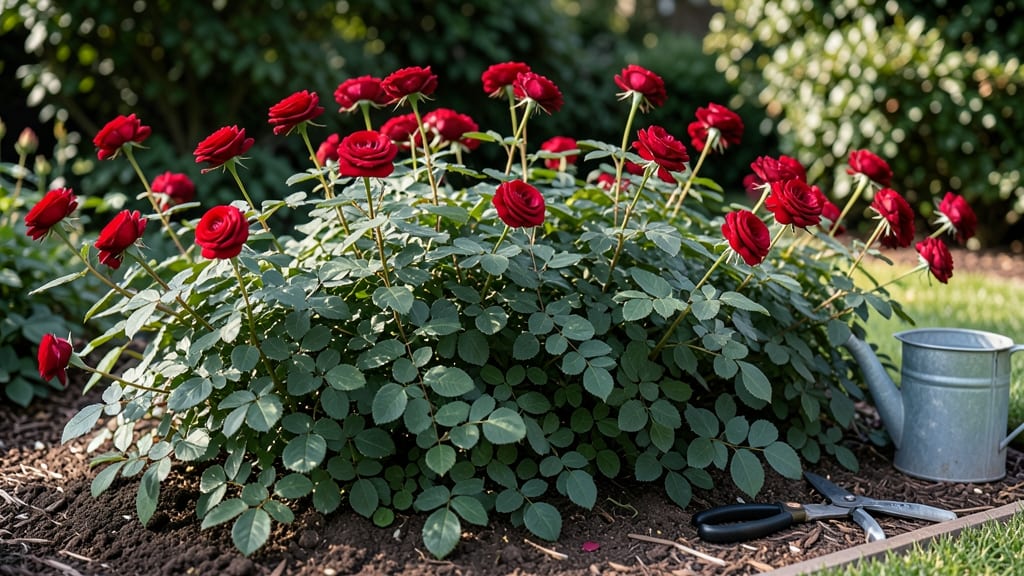
A red flower carpet rose isn’t just a plant—it’s a living, breathing blanket of bold color that transforms any space into a showstopper. 🌸 I’ve watched mine spill over container edges like a velvet waterfall, turning dull patios into dramatic focal points.
The secret lies in how they cascade, their deep red blooms creating a rich, jewel-toned effect that lasts from spring through fall.
These roses thrive in containers, along borders, or even on slopes where their trailing habit softens edges. Pair them with silver foliage plants like lamb’s ear or dusty miller to make the red pop even more, or tuck them near lavender for a fragrant, textured contrast.
The best part? They’re low-maintenance—just prune back in early spring and feed occasionally, and they’ll reward you with nonstop blooms.
Imagine your front steps draped in red, your balcony overflowing with color, or your garden beds spilling with movement. This isn’t just a plant—it’s an instant statement that works in small pots or large mass plantings.
Once you see how they perform, you’ll want them everywhere. Let’s make your space unforgettable with these.
They handle heat and humidity well, making them perfect for southern gardens, but even cooler climates can grow them in containers and bring them indoors for winter. The versatility is what makes them a game-changer for any outdoor design. Ready to turn heads with your garden?
📚 In This Guide
- What you need
- Instructions
- Tips and common mistakes
- Wrapping up and next steps
What you need
- ● Red carpet rose plants: Choose Rosa 'The Fairy' (Fairy Rose) or Rosa 'Red Out' (Red Out Rose)—both are compact, spreading varieties perfect for containers. You’ll need 3–5 plants per container (depending on pot size) to create a lush, carpet-like effect.
- ● Containers: Size: At least 12–18 inches in diameter and depth (larger pots = more plants).
- ● Material: Terracotta, fiberglass, or plastic (ensure they have drainage holes!).
- ● Quantity: 1–3 containers (depending on your desired display).
- ● Potting mix: A high-quality, well-draining blend like 50% garden soil + 50% perlite or compost. Avoid heavy clay soil—roses hate soggy roots!
- ● Mulch: 2–3 inches of shredded bark or pine straw to retain moisture and suppress weeds.
- ● Garden gloves (to protect your hands from thorns and dirt).
- ● Trowel or small shovel (for planting and mixing soil).
- ● Watering can or hose with a gentle spray nozzle (roses love deep watering!).
- ● Pruning shears (to trim dead or overgrown stems after planting).
- ○ Slow-release rose fertilizer (optional but recommended for container roses).
- ○ Stakes or a small trellis (optional, for training climbing varieties if you mix in Rosa 'New Dawn' for height).
- ● 🌡️ Sunlight: Ensure your containers get 6–8 hours of direct sunlight daily—this is non-negotiable for vibrant red blooms!
- ● ✨ Drainage: Add a 1-inch layer of gravel or pebbles at the bottom of each pot to prevent root rot.
- ● 🎯 Spacing: Plant roses 12–18 inches apart in the container to encourage bushy growth and a dense "carpet" effect.
How to create a stunning red flower carpet with container roses
Turn your patio or balcony into a vibrant red paradise with these easy-to-follow steps.
🪴 Step 1: Choose the Right Containers and Drainage
Select containers that are at least 12-14 inches deep and 12-16 inches wide for each rose plant—this gives roots plenty of room to spread. I like using fabric grow bags because they prevent root circling and allow for better airflow. Make sure each container has multiple drainage holes (at least 4-5) to prevent waterlogging, which can rot roots and kill your roses.
If your containers don’t have drainage holes, drill them yourself—this is non-negotiable. Place a 1-inch layer of gravel or pebbles at the bottom before adding soil. This layer helps prevent clogging while still allowing excess water to escape. Here’s the thing—skipping drainage is the fastest way to lose your roses, so don’t cut corners.
🌱 Step 2: Prepare the Soil Mix for Thriving Roses
Fill your containers with a well-draining potting mix designed for roses or flowering plants. I blend 50% premium potting soil, 30% perlite or pumice, and 20% compost to create a loose, nutrient-rich medium. This mix prevents compaction and ensures roots get both air and moisture. Avoid garden soil—it’s too dense and can suffocate roots in containers.
Add a slow-release rose fertilizer (like Osmocote) to the mix, following the package instructions for the right amount. Mix it in thoroughly so every part of the soil benefits. Here’s a pro tip: I like to add a handful of mycorrhizal fungi to the mix—it helps roots absorb nutrients more efficiently, which means bigger, healthier blooms.
☀️ Step 3: Plant and Position for Maximum Blooms
Dig a hole in the center of each container that’s twice as wide as the rose’s root ball but only as deep as the root ball itself. Gently remove the rose from its nursery pot and loosen the roots if they’re circling. Place the plant in the hole so the top of the root ball sits level with the soil surface—burying too deep can suffocate the plant, while planting too high stresses the roots.
Fill the hole with soil and press lightly around the base to remove air pockets. Water deeply right after planting to settle the soil and encourage roots to spread. Position your containers in a spot that gets at least 6-8 hours of direct sunlight daily. South or west-facing areas are ideal, but east-facing spots work too—just expect slightly fewer blooms. Real talk: roses will bloom in partial shade, but the flowers won’t be as vibrant or as abundant.
💧 Step 4: Water and Feed for Non-Stop Blooms
Water your roses deeply 2-3 times per week, aiming for 1-1.5 gallons per container each time. The goal is to moisten the entire root zone, not just the top inch of soil. You’ll know you’ve watered enough when water runs out the drainage holes. Let the top 1-2 inches of soil dry out between waterings—this prevents root rot while keeping the plant hydrated.
Feed your roses every 4-6 weeks during the growing season (spring through fall) with a balanced liquid fertilizer (like 10-10-10 or 20-20-20). Follow the label instructions, but I’ve found that half-strength feedings every other week work just as well and reduce the risk of burning the roots. Stop fertilizing in late summer to encourage a strong dormancy period—this sets the stage for even more blooms next season.
✂️ Step 5: Prune and Maintain for a Lush Red Carpet
Prune your roses twice a year: once in early spring (just as new growth begins) and again in late summer (after the first flush of fall blooms). In spring, cut back dead or weak stems to just above a healthy bud, and shape the plant to encourage an open, airy form. In late summer, trim back about one-third of the plant’s height to promote fresh, vigorous growth for fall blooms.
Deadhead spent blooms regularly to encourage more flowers and prevent seed formation. I like to do this on a weekly basis—just pinch or snip off the faded blooms at the base of the stem. Mulch the soil surface with 2-3 inches of organic mulch (like shredded bark) to retain moisture, suppress weeds, and keep roots cool. This step is often overlooked, but it makes a huge difference in how well your roses perform, especially in hot climates.
Tips & tricks for perfect container roses
Here's what nobody tells you about keeping container roses thriving and blooming like crazy.
Container Size Matters: Those 12-14 inch deep containers aren't just recommendations—they're crucial for root development. I've seen roses in smaller pots struggle with stunted growth and fewer blooms. If you're working with limited space, consider using multiple smaller containers instead of cramming one plant into a too-small space. The extra depth lets roots grow downward while the width allows them to spread out naturally.
Sunlight Strategy: The 6-8 hours of direct sunlight is non-negotiable for vibrant red blooms, but here's the trick: position your containers to catch morning sun and afternoon shade in hot climates. This prevents leaf scorch while still giving them enough light. I've found that rotating containers every few weeks ensures even growth all around the plant—you'll notice fuller bushes and more even blooming that way.
Watering Wisdom: Those 1-1.5 gallons per watering might seem like a lot, but it's essential for deep root hydration. I've learned the hard way that shallow watering leads to weak roots. Use your finger to check soil moisture—if the top 1-2 inches are dry, it's time to water. And here's a secret: water in the morning so the foliage has time to dry before evening, reducing disease risk.
Mulching Magic: That 2-3 inch layer of organic mulch isn't just for looks—it works like insulation for your rose roots. In summer, it keeps them cool; in winter, it provides protection. I've noticed my roses stay healthier and bloom more consistently when properly mulched. Just make sure to keep the mulch 2 inches away from the plant stem to prevent rot.
Pro Tips for Red Flower Carpet Rose
- Here's what nobody tells you about keeping container roses thriving and blooming like crazy.
- Container Size Matters: Those 12-14 inch deep containers aren't just recommendations—they're crucial for root development.
- Sunlight Strategy: The 6-8 hours of direct sunlight is non-negotiable for vibrant red blooms, but here's the trick: position your containers to catch morning sun and afternoon shade in hot climates.
Frequently asked questions
Got questions about growing red flower carpet roses? You’re not alone! Here are the most common inquiries—plus straightforward answers to help you create a stunning, low-maintenance display.
How do I keep my red carpet roses blooming all season?
Prune lightly after the first flush of blooms to encourage continuous flowering. Remove spent blooms (deadheading) regularly—this redirects energy to new growth. Fertilize monthly with a balanced rose food (10-10-10) during the growing season. Mulch with compost to retain moisture and nutrients. Pro tip: Water at the base early in the morning to prevent fungal issues.
When is the best time to plant red carpet roses in containers?
Plant in early spring (after the last frost) or early fall (6–8 weeks before the first frost). Containers warm up faster than soil, so avoid planting in extreme heat. If you’re in a warm climate, fall planting gives roots time to establish before winter. Note: If planting in late spring/summer, keep soil consistently moist for the first 2 weeks.
Can red carpet roses grow in full sun or partial shade?
They thrive in full sun (6+ hours/day), but they’ll tolerate partial shade (4–6 hours)—especially in hot climates. In shadier spots, blooms may be fewer but larger. Avoid deep shade (<4 hours), as this weakens growth and reduces flowering. Troubleshooting: If leaves yellow, it’s often a sign of too much shade or overwatering.
What’s the best container size for red carpet roses?
Aim for at least 12–18 inches deep and wide per plant. Smaller containers (under 10 inches) restrict root growth, leading to stunted blooms. Use containers with drainage holes to prevent root rot. For multiple roses, space plants 12–18 inches apart—they’ll spread but stay compact. Pro tip: Elevate containers slightly for better drainage.
How do I prevent pests like aphids or spider mites?
Start with healthy soil and avoid overcrowding. Inspect leaves weekly for pests—especially aphids (tiny green/black bugs) or spider mites (tiny webs on undersides). Spray with neem oil or insecticidal soap at the first sign. Encourage beneficial insects (like ladybugs) by planting nearby herbs (e.g., basil, marigolds). Prevention tip: Water plants in the morning to keep foliage dry and deter fungal pests.
Do red carpet roses survive winter in containers?
Yes, but they need protection. Move containers to a sheltered spot (like a garage or against a south-facing wall) before temperatures drop below 20°F (-6°C). Wrap pots in bubble wrap or frost cloth and mulch the soil with straw. In Zone 5 or colder, consider overwintering indoors with bright, indirect light and reduced watering. Resume outdoor planting in spring.
Wrapping up and next steps
The red flower carpet rose isn’t just a stunning addition to your garden—it’s a low-maintenance, vibrant showstopper that thrives in containers and brightens any space with its bold blue-green foliage and fiery blooms.
Whether you’re a seasoned gardener or just starting out, these roses prove that beauty and ease can go hand in hand.
Ready to bring this dramatic yet effortless charm to your patio or balcony? Grab your supplies, pick a sunny spot, and dive in—your future red flower carpet rose will thank you with a season of color! 🌸