
Flowers
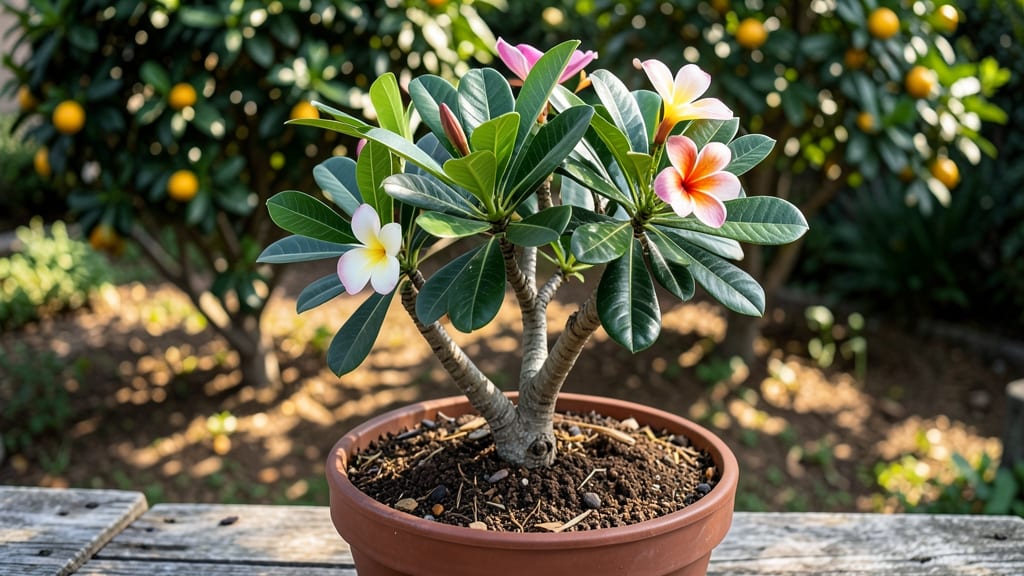
Growing the Plumeria Rainbow flower from seed is like unlocking a tropical treasure chest—each bloom unfolds in a dazzling spectrum of pinks, whites, and yellows that smell like a Hawaiian sunset. 🌺 I’ll never forget the first time I coaxed a seedling into its first fragrant bloom after months of patience; the contrast between delicate petals and that intoxicating scent still takes my breath away.
The secret to success starts with mimicking its native tropical home: bright, direct sunlight for at least 6 hours daily, well-draining soil that mimics volcanic sand, and temperatures that stay above 50°F.
Most gardeners overlook humidity—these plants thrive when air feels damp, so misting or a pebble tray works wonders in dry climates. Once established, they reward you with blooms that last weeks and fragrance that lingers in the evening breeze.
You’ll begin with tiny seeds that sprout in 4-8 weeks, then watch as each leaf unfurls into glossy, waxy perfection. Pruning isn’t just about shaping—it’s about encouraging those showstopper blooms by cutting back leggy growth in early spring.
The payoff? A plant that becomes the centerpiece of your garden, drawing hummingbirds and filling the air with sweetness.
Perfect for containers or in-ground planting in USDA Zones 10-12, but even cooler climates can grow them as potted tropicals. Here’s how to keep them thriving year-round—whether you’re a beginner or a seasoned gardener chasing that perfect plumeria moment.
📚 In This Guide
- What you need
- Instructions
- Tips and common mistakes
- Wrapping up and next steps
What you need
- ● Plumeria seeds or cuttings: 5–10 seeds (if starting from scratch) or 2–3 healthy cuttings (for faster growth). Ensure seeds are fresh or cuttings are disease-free.
- ● Well-draining potting mix: 1–2 bags (5–10 gallons total) of a blend like cactus/succulent mix or orchid bark mix (avoid heavy garden soil!).
- ● Containers: Small pots (4–6 inches deep) for seeds/cuttings.
- ● Larger pots (12+ inches) for mature plants (ensure drainage holes!).
- ● Gravel or perlite: 1–2 cups (for improving drainage at the bottom of pots).
- ● Slow-release fertilizer: 1–2 packets (look for balanced 10-10-10 or orchid fertilizer for tropical plants).
- ● Watering can or spray bottle: With a fine mist setting for seedlings.
- ● Pruning shears: Sharp and sterilized (for cutting stems or trimming dead leaves).
- ● Trowel or small shovel: For transplanting seedlings or mixing soil.
- ○ Spray bottle: For humidifying seedlings (optional but helpful).
- ○ Gloves: (Optional) To protect hands from thorns or soil.
- ○ pH testing kit: (Optional) To check soil acidity (ideal range: 6.0–7.0).
- ● Warm climate: Plumerias thrive in USDA Zones 10–12 or indoors with bright light. If outdoors, wait until after the last frost (temperatures above 50°F/10°C).
- ● Bright, indirect sunlight: At least 6+ hours daily (a south-facing window or grow lights work indoors).
- ● Humidity: 50–70% (use a humidity tray or misting if air is dry).
- ● Patience: Seeds take 4–8 weeks to germinate; cuttings root in 2–4 weeks.
Step-by-Step guide to cultivating plumeria rainbow flowers
Here's how I grow these fragrant tropical beauties—from seed to show-stopping blooms.
🌱 Step 1: Start Seeds Indoors with Warmth and Humidity
Plumeria seeds need consistent 80-85°F soil temperatures to germinate, so I use a seedling heat mat beneath my 4-inch seed-starting trays. Fill them with sterile seed-starting mix (never garden soil—it's too dense) and moisten until damp but not soggy. Press the mix down lightly to remove air pockets, then scatter 1-2 seeds per cell just below the surface—about ¼ inch deep.
Cover the trays with clear plastic wrap to trap humidity, then place them under grow lights (12-14 hours daily). Germination can take 3-6 weeks, so patience is key. I check daily for condensation—if the plastic fogs up, lift it briefly to let excess moisture escape. Once sprouts appear, remove the plastic immediately to prevent damping-off disease.
☀️ Step 2: Provide Bright Light and Gradual Hardening
Plumeria seedlings crave bright, indirect light from day one. Move them under full-spectrum LED grow lights within 4 inches of the foliage, adjusting height as they grow. You'll know they're getting enough light when leaves stay deep green and compact—no leggy stretching. If stems elongate or leaves pale, lower the lights immediately.
After 4-6 weeks, when seedlings have 3-4 true leaves, begin hardening off. Place them outside in partial shade for 1-2 hours the first day, then gradually increase exposure over 10-14 days. Watch for wilting or yellowing—this signals they're not ready for full sun yet. Once they tolerate 6+ hours of sunlight without stress, they're ready for their permanent home.
🪴 Step 3: Plant in Well-Draining Soil and Full Sun
Plumerias thrive in fast-draining, slightly acidic soil (pH 6.0-6.5). Mix 50% premium potting mix with 50% perlite or orchid bark to prevent root rot. Choose a container with drainage holes (minimum 12 inches deep) or a sunny, sheltered spot in your landscape. Handle seedlings gently—plumerias resent root disturbance.
Dig a hole twice as wide as the root ball but no deeper. Amend the planting area with 1 cup of slow-release fertilizer (10-10-10 ratio) and 1 inch of coarse sand to improve drainage. Water deeply before planting, then place the seedling in, backfilling with soil while firming it lightly around the base. Mulch with 2 inches of pine bark to retain moisture but avoid piling it against the stem.
💧 Step 4: Water Deeply and Prune for Bushiness
Plumerias hate soggy roots, so water only when the top 2 inches of soil feel dry. Stick your finger in—if it's damp, wait. When you do water, soak the root zone until it drains freely from the bottom. Yellowing leaves usually mean overwatering, while crispy edges signal underwatering. Adjust your schedule based on what you see.
Pinch back the top set of leaves when the seedling reaches 6-8 inches tall to encourage branching. This is the moment that matters: without pruning, plumerias grow into tall, leggy stalks with few blooms. Use sterilized scissors to make clean cuts just above a leaf node. Repeat pruning every 6-8 weeks to maintain shape and promote multiple flowering stems.
✂️ Step 5: Fertilize and Encourage First Blooms
Feed your plumeria every 4-6 weeks during the growing season (spring through fall) with a balanced, water-soluble fertilizer (20-20-20). I mix it at half-strength to avoid burning tender roots. Stop fertilizing in winter—plumerias enter dormancy and need rest. Watch for dark green, glossy leaves as a sign they're thriving; dull or yellowing foliage means it's time to adjust.
First blooms typically appear 12-18 months after planting, but you can speed things up by providing full sun, consistent water, and minimal stress. Deadhead spent flowers by cutting the stem ¼ inch above the next leaf node to redirect energy into new growth. With patience, your plumeria will reward you with fragrant, rainbow-hued blooms that last for weeks.
Tips & tricks for growing plumeria rainbow flowers
Took me years of trial and error to perfect these tropical beauties—here's what nobody tells you about nurturing them from seed.
Germination Secret: The 80-85°F soil temperature in Step 1 is non-negotiable for plumeria seeds. I've tried everything from heat lamps to warm water soaks, but only a seedling heat mat delivers consistent results. Pro tip: Test your soil temperature with an infrared thermometer—if it dips below 80°F, germination will stall or fail entirely. Once you see those first sprouts, remove the plastic wrap immediately to prevent damping-off disease, which can wipe out seedlings overnight.
Lighting Strategy: Those 12-14 hours of grow light in Step 2 are crucial, but placement matters just as much. Position your lights 4 inches away from the seedlings and adjust as they grow—too far means leggy stems, too close causes scorching. I use a timer to automate the light cycle, which saves me from remembering to turn them on/off daily. Watch for leaves that pale or stretch toward the light; this is your cue to lower the lights immediately.
Transplanting Technique: When hardening off in Step 2, start with just 1-2 hours of partial shade on day one. Gradual exposure is key—plumerias are tropical plants that can't handle sudden sun exposure. I've seen seedlings wilt dramatically after being moved to full sun too soon. After 10-14 days of gradual increases, your plants should be ready for their permanent home in full sun. Remember to handle them gently during transplanting—they resent root disturbance more than most plants.
Pruning Insight: The 6-8 inch height for first pruning in Step 4 is where the magic happens. Pinching back the top set of leaves encourages branching, which leads to more flowering stems. Use sterilized scissors to make clean cuts just above a leaf node—this prevents disease and promotes faster regrowth. I repeat this pruning every 6-8 weeks to maintain shape, and my plants develop thick, bushy growth that produces abundant blooms. Never skip this step if you want vibrant, rainbow-hued flowers!
Pro Tips for Plumeria Rainbow Flower
- Took me years of trial and error to perfect these tropical beauties—here's what nobody tells you about nurturing them...
- Germination Secret: The 80-85°F soil temperature in Step 1 is non-negotiable for plumeria seeds. I've tried everythin...
- Lighting Strategy: Those 12-14 hours of grow light in Step 2 are crucial, but placement matters just as much. Positio...
Frequently asked questions
Got questions about nurturing your Plumeria Rainbow Flower? You’re not alone! Here are some of the most common queries—plus straightforward answers to keep your blooms thriving.
How long does it take for a Plumeria Rainbow Flower to bloom from seed?
A Plumeria Rainbow grown from seed can take 2–5 years to produce its first flowers. Patience is key—seedlings prioritize root and stem growth before blooming. Grafting (a common alternative) speeds this up to 1–2 years!
Can Plumeria Rainbow Flowers survive cold weather?
These tropical beauties hate cold—they thrive in USDA Zones 10–12 (50–80°F). Below 50°F (10°C), they’ll suffer damage. In colder climates, grow them in containers and bring them indoors during winter.
How often should I water my Plumeria Rainbow Flower?
Water when the top 2–3 inches of soil are dry (about once a week in summer, less in winter). Overwatering is deadly—ensure pots have drainage holes to prevent root rot. Pro tip: Let the soil dry completely between waterings!
Why aren’t my Plumeria Rainbow Flowers blooming?
Common culprits: lack of sunlight (they need 6+ hours of direct sunover-fertilizing (use a balanced fertilizer every 2–3 months), or stress (like sudden temperature changes). Prune leggy stems to encourage bushier growth and blooms!
Can I grow a Plumeria Rainbow Flower from a cutting?
Yes! Take a 6-inch cutting from a healthy stem, let it callus for 24 hours, then dip in rooting hormone and plant in moist perlite/sand. Keep humid and warm (75–85°F) until roots form (4–8 weeks). Grafting is faster but requires more skill.
What pests should I watch for on Plumeria Rainbow Flowers?
Keep an eye out for aphids, mealybugs, and scale insects. Wipe leaves with neem oil or insecticidal soap for mild infestations. Severe cases may need systemic pesticides. Prevention tip: Inspect new plants before adding them to your collection!
Wrapping up and next steps
The plumeria rainbow flower is a stunning addition to any garden, offering vibrant colors and fragrant blooms that brighten up any space.
By following this guide—from selecting the right seeds to nurturing them with care—you’ll unlock the joy of growing these tropical beauties. Now’s your chance to turn your garden into a rainbow paradise!
Ready to dive in? Start by gathering your supplies, then plant your first seeds and watch your plumeria rainbow flourish. Happy growing! 🌈🌺