
Shrubs
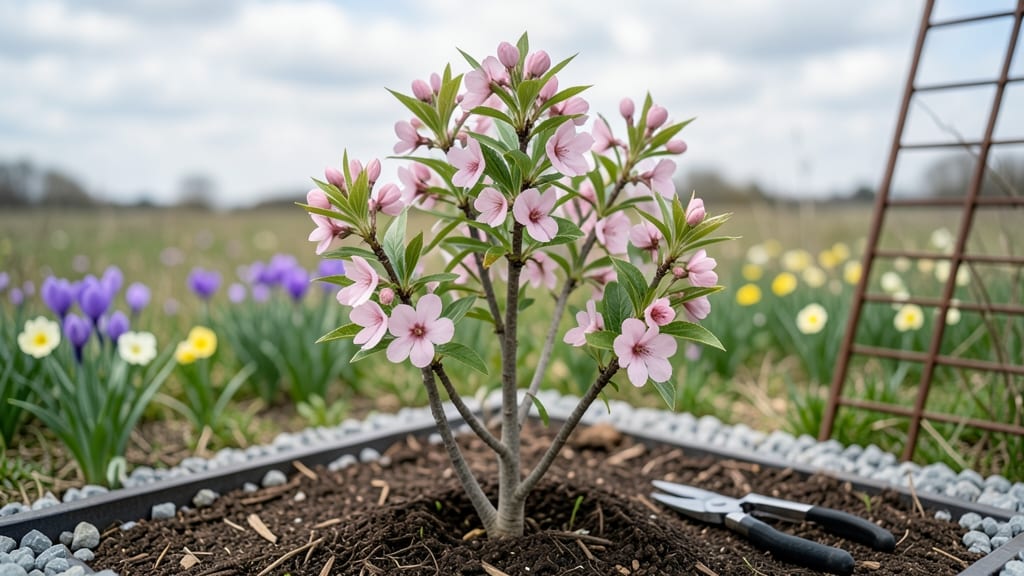
That first blush of pink in late winter is what hooked me on pink flowering almond shrubs—delicate, fragrant blossoms that smell like almonds before they even bloom. 🌸 These small trees (Prunus triloba or Prunus glandulosa) pack a double punch: stunning flowers and edible nuts, all on a plant that stays compact enough for small yards.
The secret to their success? They’re tougher than they look, thriving where other ornamentals struggle.
You’ll need full sun and well-draining soil to get those signature pink blooms, but don’t stress—this shrub handles everything from rocky slopes to city sidewalks. Plant in USDA Zones 3-8, and space them 10-15 feet apart for a natural, airy look.
Water deeply after planting, then let the roots find their own rhythm—once established, they’re drought-tolerant. The real magic happens in early spring when those fragrant clusters appear, followed by glossy green leaves that turn golden in fall.
Pruning is simple: just shape in late winter before buds swell, and remove dead wood as you go. The nuts? Edible but bitter raw—roast them like almonds for a sweet, crunchy treat.
This shrub is the ultimate low-maintenance star, perfect for hedges, specimen plantings, or even as a fragrant focal point near patios. Here’s how to keep yours thriving year after year.
Confession: I once overwatered mine and watched the leaves yellow—until I realized this plant hates soggy feet. Once you nail the soil and sun, though, it rewards you with decades of blooms and nuts. Even beginner gardeners can nail this one. Let’s get growing!
📚 In This Guide
- What you need
- Instructions
- Tips and common mistakes
- Wrapping up and next steps
What you need
- ● Pink flowering almond shrub: 1 nursery-grown sapling (3–5 feet tall, Prunus glandulosa 'Rosea') or
- ● Seeds (if starting from scratch—germination can be slow!)
- ● Well-draining soil: 5–10 bags of cactus/succulent mix (or amend garden soil with 30% perlite/sand).
- ● Sunlight: Full sun (6+ hours/day) in a sheltered spot (avoid harsh winds).
- ● Watering can or hose: With a gentle spray nozzle (1–2 gallons per watering).
- ● Organic fertilizer: 1 lb of balanced 10-10-10 or rose & shrub fertilizer.
- ● Trowel or shovel (for digging).
- ● Garden gloves (to protect your hands!).
- ● Pruning shears (sterilized with rubbing alcohol).
- ● Mulch (2–3 inches of pine bark or gravel to retain moisture).
- ● Epsom salt (1 tbsp/month for magnesium boost).
- ● Pest control: Neem oil spray (for aphids or spider mites).
- ● Trellis or support stakes (if training as a small tree).
- ● Soil pH test kit (ideal range: 6.0–7.0).
Step-by-step guide to planting and caring for a pink flowering almond shrub
Here's how to get your fragrant, dual-purpose plant thriving year after year.
🌱 Step 1: Choose the Perfect Planting Location
The pink flowering almond (Prunus triloba) thrives in full sun for at least 6 hours daily, but it tolerates partial shade if summers are scorching. I always pick a spot with well-draining soil—this plant hates soggy roots, which can rot stems and kill the shrub within weeks. If your soil drains poorly, amend with 2-3 inches of compost mixed into the top 12 inches of soil before planting.
Here's the thing—this shrub has delicate spring blooms that need protection from late frosts. Avoid low spots where cold air settles. A south-facing wall or fence provides winter warmth while allowing winter sun exposure. Test your spot by observing how much sunlight it gets from late winter through early spring—that's when those pink blossoms will burst open.
🪴 Step 2: Plant at the Right Depth and Spacing
Dig a hole twice as wide as the root ball but only as deep—planting too deep suffocates the roots while shallow planting leaves them exposed. Gently loosen the roots if they're circling the pot, then place the shrub so the top of the root ball sits level with the surrounding soil. Pink flowering almonds need 15-20 feet of space to mature fully, so don't crowd them unless you're creating a hedgerow.
Backfill with native soil mixed with 1 part compost to give it a nutrient boost. Water deeply right after planting to eliminate air pockets, then let the soil settle for 24 hours before watering again. The first year is critical—you'll see new growth within 4-6 weeks if conditions are right, but leggy stems mean either too much shade or inconsistent watering.
☀️ Step 3: Water and Fertilize for Strong Establishment
Water deeply once a week during the first growing season, aiming for 1-1.5 inches of moisture per week. You'll know you're doing it right when the soil feels moist 2-3 inches down—stick your finger in to check. Overwatering causes root rot, which shows as yellowing leaves and mushy stems. In hot, dry summers, increase to twice weekly watering while keeping an eye on the soil.
Feed with a balanced 10-10-10 fertilizer in early spring just as buds swell, then again after the first flush of blooms. I skip summer fertilizing—this plant stores enough nutrients in its roots to bloom beautifully without extra feeding. The key is consistency: pink flowering almonds respond poorly to sudden changes, so stick to this routine until the shrub is 3-4 years old and established.
✂️ Step 4: Prune for Health and Abundant Blooms
Prune right after flowering (late spring) to shape the shrub and encourage next year's blooms. Remove dead, diseased, or crossing branches first—these compete with healthy growth. Then cut back one-third of the oldest stems to the ground to rejuvenate the plant. New growth emerges from the base, creating a bushier, more productive shrub.
Never prune in fall or winter—you'll remove next year's flower buds. And here's a pro tip: if a branch grows too long, shorten it by one-third rather than cutting it back drastically. This prevents shock and maintains the plant's natural shape. You'll notice fewer but larger blooms the following spring if you prune correctly.
🌿 Step 5: Protect and Maintain Through the Seasons
In winter, mulch around the base with 2-3 inches of organic mulch (like shredded bark) to insulate roots from freezing temperatures. This is especially important in USDA Zones 5 and below, where cold snaps can damage the shrub. Remove the mulch in early spring before new growth starts to prevent rot.
Watch for peach leaf curl (a fungal disease) in spring—it looks like puckered, reddish leaves. Treat with a copper fungicide at the first sign. The nuts mature in late summer, so avoid heavy pruning then—you'll want to enjoy the harvest! Collect fallen nuts in fall, crack them open, and roast for a sweet, almond-like treat. Your shrub will reward you with fragrant blooms for decades if you follow this care routine.
Tips & tricks for perfect pink flowering almond shrub care
Here's what nobody tells you about keeping this dual-purpose plant thriving for years.
Sunlight Strategy: Those 6 hours of daily sun are non-negotiable for vibrant blooms, but timing matters just as much. I've learned the hard way that late afternoon sun is more important than morning light—it helps dry dew off the leaves, preventing fungal issues. If your location gets intense afternoon sun, provide some afternoon shade during the hottest summer months to protect the delicate blossoms.
Planting Depth Secret: The 24-hour settling period after planting is your secret weapon against transplant shock. During that time, gently press down the soil around the base to eliminate air pockets, but don't compact it too tightly—roots need room to breathe. I also recommend adding a handful of mycorrhizal fungi to the planting hole if available; these beneficial microbes help establish a stronger root system in the first critical weeks.
Watering Wisdom: The 1-1.5 inches of weekly water is your target, but how you deliver it matters more than you'd think. Water deeply but slowly to encourage roots to grow downward rather than staying shallow. I use a soaker hose for the first year to maintain consistent moisture without wetting the leaves—this prevents the fungal diseases that can ruin your shrub's potential. The soil should feel moist 2-3 inches down, but not soggy.
Pruning Precision: When you cut back those one-third of oldest stems in late spring, make your cuts just above a bud or outward-facing branch. This simple technique ensures new growth emerges in the right direction and prevents those awkward, inward-growing branches that can crowd the center. I've found that making clean cuts with sharp pruners (disinfected with rubbing alcohol) reduces the risk of disease transmission between branches.
Pro Tips for Pink Flowering Almond Shrub
- Here's what nobody tells you about keeping this dual-purpose plant thriving for years.
- Sunlight Strategy: Those 6 hours of daily sun are non-negotiable for vibrant blooms, but timing matters just as much.
- Planting Depth Secret: The 24-hour settling period after planting is your secret weapon against transplant shock.
Frequently asked questions
Got questions about the stunning pink flowering almond shrub?
Here are answers to the most common ones—from care tips to troubleshooting—so you can grow this beauty with confidence!
Is the pink flowering almond shrub safe to plant near children or pets?
The shrub itself is non-toxic, but its seeds and leaves contain trace amounts of amygdalin (like bitter almonds), which can be harmful if ingested in large quantities. Keep pets away from nibbling on fresh foliage, and supervise kids near fallen nuts. Always opt for cultivated varieties labeled as pet-friendly for extra safety!
How long does it take for a pink flowering almond shrub to bloom?
Patience is key! Young shrubs may take 2–3 years to produce flowers, depending on climate and care. Once established, they burst into vibrant pink blooms in early spring (March–April in most regions). For faster results, choose a 1–2-year-old nursery-grown plant—it’ll bloom sooner than seeds!
Can I grow a pink flowering almond shrub in a container?
This shrub thrives in 15–20 gallon containers with well-draining soil and regular pruning to control size. Use a large pot (at least 18" deep) and place it in full sun. Just remember: containers dry out faster, so water deeply 2–3 times per week in hot weather.
Why aren’t my pink flowering almond shrub’s leaves turning green?
Yellowing or pale leaves often signal nutrient deficiency (like nitrogen or iron) or overwatering. Check soil moisture—it should be damp but not soggy. Feed with a balanced fertilizer in early spring, and ensure the shrub gets 6+ hours of sunlight daily. If leaves stay yellow, test soil pH (ideal: 6.0–7.0).
What’s a good alternative if I want fragrant flowers but no messy nuts?
If you love the scent and color but dislike the seed pods, try these low-maintenance alternatives:
All three are drought-tolerant and thrive in similar conditions!
Wrapping up and next steps
The pink flowering almond shrub is a stunning dual-purpose plant that brings beauty and bounty to any garden with its fragrant blossoms and delicious nuts. Whether you're drawn to its ornamental appeal or its edible rewards, this versatile shrub offers something for every gardener.
Ready to grow yours? Start by gathering your supplies, choosing the right location, and planting with care—soon, you’ll be enjoying its magic in your own backyard!
🌱 Pro Tip: Share your progress with fellow gardening enthusiasts—inspiration spreads when we grow together!