
Flowers
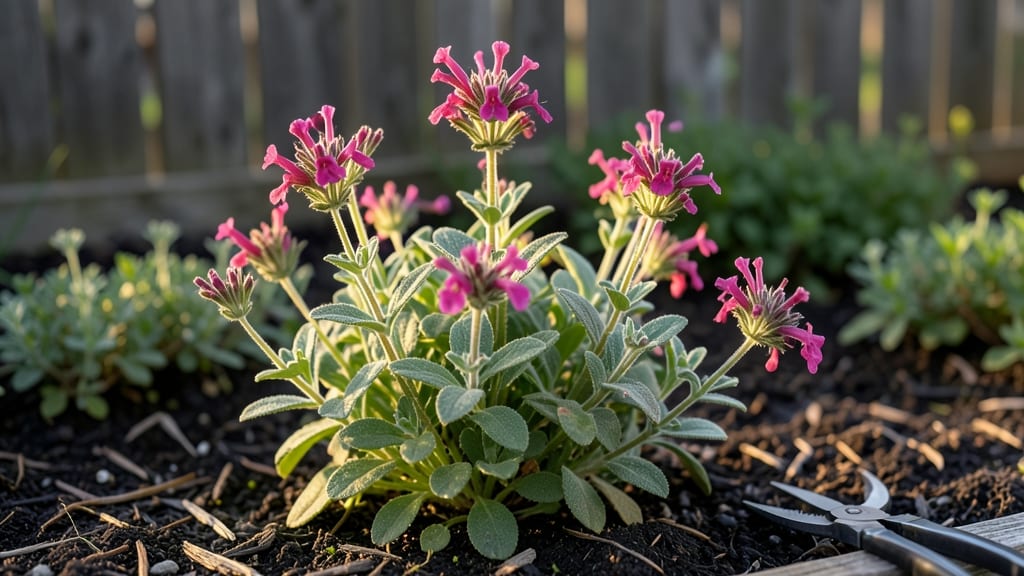
Caring for nemesia flowers means shockingly lush blooms that last from spring through fall—and yes, even into winter with the right tricks. 🌸 I’ve grown these cheerful, butterfly-magnet flowers for years, and the secret isn’t complicated: they thrive on neglect almost as much as they do on attention.
The key is matching their love of bright light with just enough water to keep roots happy, not soggy.
You’ll need well-draining soil (think 50% potting mix, 50% perlite or sand), a sunny spot with at least 6 hours of direct light daily, and a watering can with a gentle spray nozzle.
Nemesias hate wet feet—let the top inch of soil dry between waterings, and you’ll avoid the most common killer: root rot. A light fertilizer every 4-6 weeks keeps blooms coming, but don’t overdo it—they’re not heavy feeders.
Pruning spent blooms weekly is the game-changer—it forces fresh flowers to replace the faded ones, extending your season by months. Pinch back leggy stems in early summer to encourage bushier growth, and watch your plants fill out like they’re on steroids.
Before you know it, you’ll have a nonstop parade of color that even the most forgetful gardener can’t kill.
For year-round success, bring potted nemesias indoors before frost (a sunny windowsill works) or grow them as annuals in warmer climates. They’re tougher than they look—drought-tolerant once established and resistant to most pests. The only real challenge? Keeping them from spreading faster than weeds. Now, let’s get those blooms going!
📚 In This Guide
- What you need
- Instructions
- Tips and common mistakes
- Wrapping up and next steps
What you need
- ● Nemesia seeds or seedlings: Choose disease-resistant varieties like Nemesia strumosa or Nemesia caerulea for vibrant colors.
- ● Well-draining potting mix: A blend of 50% peat or coconut coir, 30% perlite or vermiculite, and 20% compost (10-12" depth per pot).
- ● Containers or garden beds: For pots: 6-8" diameter containers with drainage holes (1 plant per pot).
- ● For garden beds: Full sun to partial shade (4-6 hours of sunlight daily).
- ● Slow-release fertilizer: 10-10-10 NPK ratio (1 tbsp per 6" of pot diameter).
- ● Watering can with a fine rose: For gentle hydration without disturbing roots.
- ● Pruning shears: Sharp, sterilized shears for deadheading (or snip with clean scissors!).
- ● Spray bottle: For misting seedlings during germination.
- ○ Mulch (optional): 1-2" layer of organic mulch (e.g., straw or bark) to retain moisture.
- ● Grow lights (indoor): LED lights (12-16 hrs/day) if growing nemesias indoors.
- ● Pest control: Neem oil or insecticidal soap (for aphids or spider mites).
Step-by-Step guide to growing nemesia flowers year-round
Nemesia thrives with the right balance of light, moisture, and occasional pruning—here's how to keep them blooming effortlessly.
🌱 Step 1: Select the Perfect Location for Light and Airflow
Nemesia loves bright, indirect light—think east or west-facing windowsills where they get morning or afternoon sun without harsh midday rays. If growing indoors, a south-facing window works, but rotate the pot quarter-turn weekly so stems don’t lean toward the light. Outdoors, they tolerate partial shade but produce fewer blooms in deep shade.
Here’s the trick: Watch for leggy stems with sparse leaves. That’s your signal the light is too weak. If you see stems stretching toward the window or growing pale, move the plant 2-3 inches closer to the light source immediately. Nemesia also needs good airflow—crowded conditions invite powdery mildew, so avoid placing them in enclosed spaces.
💧 Step 2: Water Consistently Without Overdoing It
Water nemesia when the top inch of soil feels dry to the touch. Stick your finger in the soil—if it’s damp just below the surface, wait another day. The key is keeping the soil evenly moist but never soggy. Overwatering causes root rot, which turns leaves yellow and mushy.
I like to water from the bottom by placing the pot in a tray of 1 inch of water for 10-15 minutes. This encourages roots to grow deeper and prevents fungal issues. In hot weather, you might water every 2-3 days, but in cooler months, once a week is often enough. Always empty excess water from the tray after 15 minutes to avoid sitting in moisture.
☀️ Step 3: Feed and Prune for Continuous Blooms
Use a balanced liquid fertilizer (10-10-10) every 4-6 weeks during the growing season to keep nemesia flowering prolifically. Dilute it to half-strength to avoid burning tender roots. I mix it into the watering can and apply it in the morning so the foliage dries quickly and reduces fungal risk.
Deadhead spent blooms by pinching off the faded flowers with your fingers or clean pruners. This encourages the plant to produce more buds instead of setting seed. Prune back leggy stems by one-third their length in early spring to promote bushier growth. Always use sterilized tools to prevent disease—wipe pruners with rubbing alcohol between cuts.
✂️ Step 4: Overwinter for Year-Round Growth
Nemesia is a tender perennial in most climates, so it needs special care to survive winter. Move potted plants to a cool, bright spot (50-60°F) where they get minimal light. Reduce watering to every 2-3 weeks, just enough to keep the soil from drying out completely. Avoid fertilizing during dormancy—it encourages weak growth.
Check for pests like spider mites, which thrive in dry winter air. Mist the leaves lightly with water if the air feels dry, or place a small humidifier nearby. In spring, resume regular watering and fertilizing as new growth appears. You’ll see fresh shoots within 3-4 weeks—that’s your cue to move the plant back to brighter conditions.
Tips & tricks for perfect nemesia flower care
Here's what nobody tells you about keeping nemesia blooming year after year without the guesswork.
Light Rotation Strategy: The quarter-turn weekly rotation in Step 1 isn't just about aesthetics—it prevents your nemesia from developing a permanent lean toward the light source. I've seen plants grow so lopsided they resemble wind-blown trees after just two weeks without rotation. Use a small piece of tape on the pot's edge to mark the starting position so you remember which way to turn it next. This simple habit keeps your nemesia compact and bushy, not stretched and leggy.
Soil Moisture Test: When checking soil moisture in Step 2, don't just feel the surface—stick your finger in about 1 inch deep. The top layer can dry out quickly while moisture lingers below, creating the perfect conditions for root rot. I've ruined several nemesia plants by assuming they needed water when only the surface was dry. Pro tip: Use a chopstick or wooden skewer instead of your finger if you're concerned about cleanliness—it's just as accurate and keeps your hands fresh.
Fertilizer Timing: The 4-6 week feeding schedule in Step 3 works wonders, but there's a secret to maximizing its effectiveness. Always apply fertilizer in the morning when temperatures are cooler. This gives the foliage time to dry completely during the day, reducing the risk of fungal infections that thrive in damp conditions. I've noticed a significant difference in bloom quality when I follow this timing—plants fed in the morning produce brighter, longer-lasting flowers.
Winter Pest Prevention: While overwintering in Step 4, don't overlook the subtle signs of spider mites. These pests love dry winter air and often start as tiny yellow specks on the undersides of leaves. I've caught early infestations by running my fingers gently over the leaves weekly—if you feel a fine webbing or see tiny moving dots, it's time to act. A simple neem oil spray (mixed according to package instructions) applied every 10 days during winter keeps these pests at bay without harming your nemesia.
Pro Tips for Nemesia Flower Care
- Here's what nobody tells you about keeping nemesia blooming year after year without the guesswork.
- Light Rotation Strategy: The quarter-turn weekly rotation in Step 1 isn't just about aesthetics—it prevents your nemesia from developing a permanent lean toward the light source.
- Soil Moisture Test: When checking soil moisture in Step 2, don't just feel the surface—stick your finger in about 1 inch deep.
Frequently asked questions
Got questions about keeping your nemesia flowers happy? You’re not alone!
Here are answers to the most common concerns—from pruning to pests—so you can enjoy vibrant blooms with confidence.
How often should I water nemesia flowers?
Water nemesia consistently—about 1-2 times per week, depending on your climate. Let the top inch of soil dry out between waterings to prevent root rot. Morning watering is best to reduce fungal risks. If the leaves wilt, it’s thirsty!
When and how should I prune nemesia for better blooms?
Prune nemesia after flowering (spring/summer) to encourage bushier growth. Snip back 1/3 of the plant or trim spent blooms to the nearest leaf node. Deadhead regularly to prolong flowering. Avoid heavy pruning in fall—let it rest!
What pests commonly attack nemesia, and how do I treat them?
Watch for aphids, spider mites, or whiteflies. Blasts of water or neem oil spray can deter them. For severe infestations, use insecticidal soap. Prevent pests by ensuring good airflow and removing debris.
Can nemesia survive winter indoors?
Yes! Move potted nemesia indoors before frost (50°F/10°C). Place it in a sunny window or under grow lights. Reduce watering slightly—overwatering can cause root rot. Resume outdoor care in spring when temps warm.
Are there low-maintenance alternatives to nemesia?
If nemesia feels too fussy, try petunias, calibrachoa, or lobelia. These thrive in similar conditions but may need slightly more water. For drought-tolerant options, consider snapdragons or portulaca.
Wrapping up and next steps
Caring for nemesia flowers is a rewarding journey that brings vibrant color to your garden with minimal fuss! With the right balance of sunlight, water, and soil, these cheerful blooms thrive beautifully—whether in pots or garden beds.
Don’t let small challenges discourage you; a little patience and attention will keep your nemesias flourishing year-round.
Ready to see your garden burst with life? Start by planting a few nemesia seeds or cuttings today—your future blooms will thank you! 🌸