
Blooming
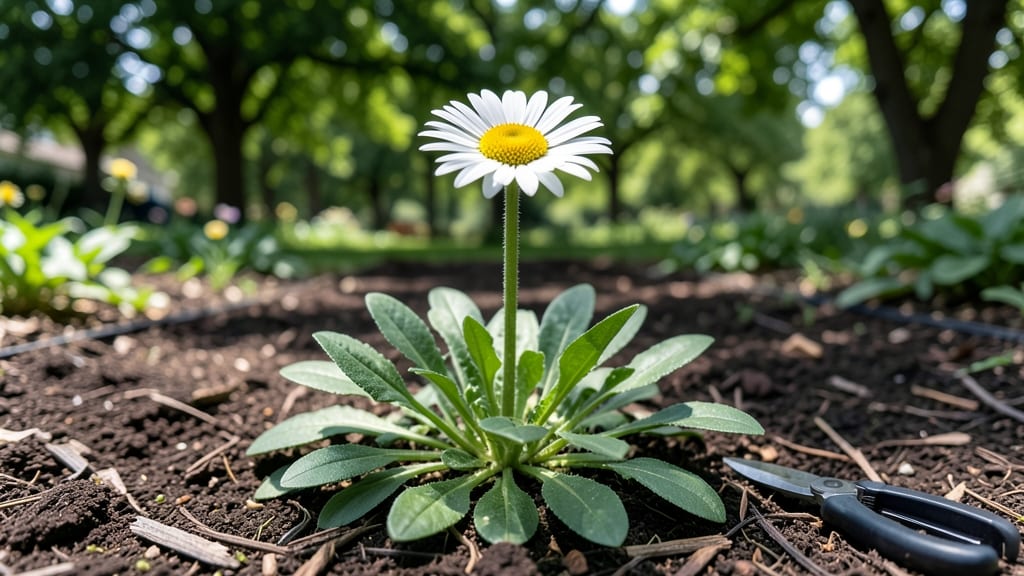
Learn how to take care of daisy flowers the right way, and you’ll discover they thrive in 6+ hours of direct light daily, turning those cheerful blooms into a nonstop show—though shade-loving plants can’t handle their bright needs. moved mine to the sunniest spot in my garden last spring.
The difference was immediate: thicker stems, bigger blooms, and flowers that lasted weeks instead of days.
Daisies are low-maintenance once you nail the basics: well-draining soil, occasional watering (about 1 inch per week), and a light touch with fertilizer. Overwatering is their biggest enemy—yellow leaves mean you’re drowning them.
I use a mix of compost and garden soil to keep roots happy, and I’ve never had to fuss with them after the initial setup. The key is consistency, not perfection.
Pruning is where the magic happens—snip spent blooms to encourage new ones, and trim leggy stems in early spring. My daisies now produce three times as many flowers as they did before I started pruning regularly.
The secret? Cut just above a leaf node, and you’ll see fresh growth within days. Even beginners can master this with a sharp pair of scissors and a little patience.
Seasonal shifts matter: daisies slow down in winter but bounce back fast in spring. Mulch helps protect roots in cold snaps, and I’ve found they handle light frosts better than I expected.
The real reward? A garden that stays bright from early summer through fall with almost no effort. Here’s how to keep yours thriving all season long.
📚 In This Guide
- What you need
- Instructions
- Tips and common mistakes
- Wrapping up and next steps
What you need
- ● Daisy plants: Choose between Gerbera daisies (perennial) or African daisies (annual) based on your climate.
- ● Well-draining potting mix: 10–15 lbs (for containers) or use garden soil amended with compost (for in-ground planting).
- ● Containers or garden bed: For containers: 6–12-inch pots with drainage holes (1–2 plants per 6-inch pot).
- ● For in-ground: Full sun exposure (6+ hours/day) and loose, fertile soil.
- ● Watering can or hose with a gentle nozzle: Daisy roots are shallow—avoid overwatering!
- ● Balanced fertilizer (10-10-10 or 20-20-20): 1–2 tbsp per plant every 4–6 weeks during growing season.
- ● Pruning shears: Sharp, clean pair for deadheading and shaping.
- ● Mulch: Organic mulch (like straw or shredded bark) to retain moisture and suppress weeds.
- ● Epsom salt: 1 tbsp dissolved in 1 gallon of water (monthly for magnesium boost).
- ● Pest control: Neem oil or insecticidal soap (for aphids or spider mites).
- ● Support stakes: For tall varieties (like Gerbera) to prevent flopping.
- ● Gloves: To protect hands while handling thorny stems (some varieties!).
Step-by-Step instructions for growing healthy daisy flowers
Here's how to keep your daisies thriving with minimal fuss.
Plant in the Right Location
Daisies demand full sun—at least 6-8 hours daily—to produce their signature blooms. I always choose a spot where they'll receive morning sun and afternoon light without afternoon shade creeping in. If your garden gets intense afternoon heat, opt for a location with dappled shade to prevent leaf scorch.
Dig a hole twice as wide as the root ball but no deeper. This prevents water pooling around the roots, which daisies hate. Gently loosen the roots if they're circling in the pot—this encourages outward growth instead of struggling to break free. Place the plant so the top of the root ball sits level with the surrounding soil.
Water Deeply and Consistently
After planting, water deeply to settle the soil around the roots. I use a soaker hose or watering wand to avoid disturbing the soil surface. Daisies prefer 1-1.5 inches of water per week, but they're drought-tolerant once established—so don't overdo it. The key is deep watering rather than frequent shallow drinks.
Check soil moisture by sticking your finger 2 inches deep. If it feels dry, water again. Overwatering causes root rot, which shows up as yellowing leaves and wilting despite damp soil. Let the top inch dry out between waterings to keep roots healthy.
Feed for Continuous Blooms
Daisies bloom best with balanced fertilizer applied in early spring and again mid-summer. I use a 10-10-10 or 20-20-20 formula diluted to half-strength to avoid burning roots. Apply fertilizer when the soil is moist to help it absorb quickly.
For organic gardeners, a compost top-dressing every 4-6 weeks works wonders. Scatter it lightly around the base, keeping it 2 inches away from the stem to prevent rot. You'll notice stronger stems and bigger blooms within a few weeks of consistent feeding.
Deadhead and Prune for Longevity
Deadheading spent blooms encourages more flowers. Simply pinch or snip off the faded flower head just above the next set of leaves. I use clean pruning shears to avoid damaging stems. This keeps daisies blooming from early summer until frost.
In late fall, cut back the stems to 2-3 inches above the ground. This prevents disease and pests from overwintering in dead foliage. Mulch around the base with 2-3 inches of shredded bark to protect roots during winter and retain moisture in summer.
Tips & tricks for perfect daisy flower care
Here's what nobody tells you about keeping daisies thriving—these little tricks make all the difference between occasional blooms and a garden full of cheerful faces.
Lighting Strategy: The 6-8 hours of daily sun requirement is non-negotiable for those classic daisy blooms, but don't assume all sun is equal. I've found that daisies planted in the morning sun with afternoon shade actually produce more vibrant flowers and last longer in hot climates. If you notice leaves curling or turning brown in afternoon heat, move your plants to a spot with filtered light or provide temporary shade cloth during peak sun hours.
Root Health Secret: When planting, the width of that hole matters more than you'd think. I always make it twice as wide as the root ball but never deeper—this prevents water from pooling around the roots, which daisies absolutely hate. Pro tip: If you notice water sitting on the soil surface after watering, your hole might be too shallow. The goal is to encourage roots to spread outward rather than struggle upward.
Watering Wisdom: That 1-1.5 inches of water per week guideline is perfect, but timing matters just as much. I water my daisies in the early morning so the foliage has all day to dry out. Wet leaves at night invite fungal diseases, and daisies are particularly susceptible. Also, always water at the base rather than overhead—this keeps those delicate petals dry and prevents water spots that dull their bright colors.
Fertilizer Timing: The mid-summer feeding mentioned in Step 3 is crucial, but I've learned the hard way that timing matters. Apply that diluted 10-10-10 or 20-20-20 fertilizer right after a good rain or thorough watering. This ensures the nutrients get absorbed quickly rather than sitting on the soil surface where they can burn tender roots. For organic gardeners, that 4-6 week compost schedule works beautifully—just remember to keep it 2 inches away from the stems to prevent rot.
Pro Tips for Take Care Daisy Flower
- Here's what nobody tells you about keeping daisies thriving—these little tricks make all the difference between occasional blooms and a garden full of cheerful faces.
- Lighting Strategy: The 6-8 hours of daily sun requirement is non-negotiable for those classic daisy blooms, but don't assume all sun is equal.
- Root Health Secret: When planting, the width of that hole matters more than you'd think.
Frequently asked questions
Got questions about keeping your daisies thriving? Here are some of the most common concerns—plus quick, easy fixes to keep those cheerful blooms coming!
How much sunlight do daisies really need?
Daisies love sunlight—aim for 6 to 8 hours of direct sun daily. If they’re in partial shade, they’ll still grow but may produce fewer blooms. Watch for droopy petals? That’s your cue to move them to a sunnier spot!
How often should I water daisies?
Water daisies deeply once a week (or more in extreme heat). Let the top inch of soil dry out between waterings—overwatering can lead to root rot. Pro tip: Water at the base (not the leaves) to keep blooms dry and prevent fungal issues.
Can daisies grow in pots, or do they need a garden bed?
Daisies thrive in pots if you use well-draining soil and a container at least 12 inches deep. Just repot every 2–3 years to refresh the soil. Bonus: Container daisies are perfect for balconies or patios!
What should I do if my daisies have holes or chewed leaves?
Pests like slugs, snails, or aphids can wreak havoc. Try these fixes:
- Handpick slugs at night (they’re sluggish then!).
- Spray aphids with soapy water.
- Use neem oil as a natural repellent.
When is the best time to prune daisies for more blooms?
Prune dead or faded blooms regularly to encourage new flowers. Trim back 1/3 of the plant in early spring to promote bushier growth. Avoid heavy pruning in fall—let them rest for winter!
Do daisies need winter care?
Perennial daisies are tough! In colder zones, mulch around the base with straw or leaves to protect roots. Cut back dead foliage in late winter, but leave some leaves for insulation. Fun fact: Many daisies pop up early in spring!
Wrapping up and next steps
Caring for daisies is all about simple routines—sunlight, well-draining soil, and a little attention to pests and deadheading. With these sunlight-loving secrets, your daisies will reward you with vibrant blooms all season long! 🌼
Now that you’re armed with the know-how, why not plant a few daisies in your garden or pots this weekend? Start small, experiment with varieties, and enjoy the joy of watching them thrive. Happy gardening! 🌱✨