
Flowers
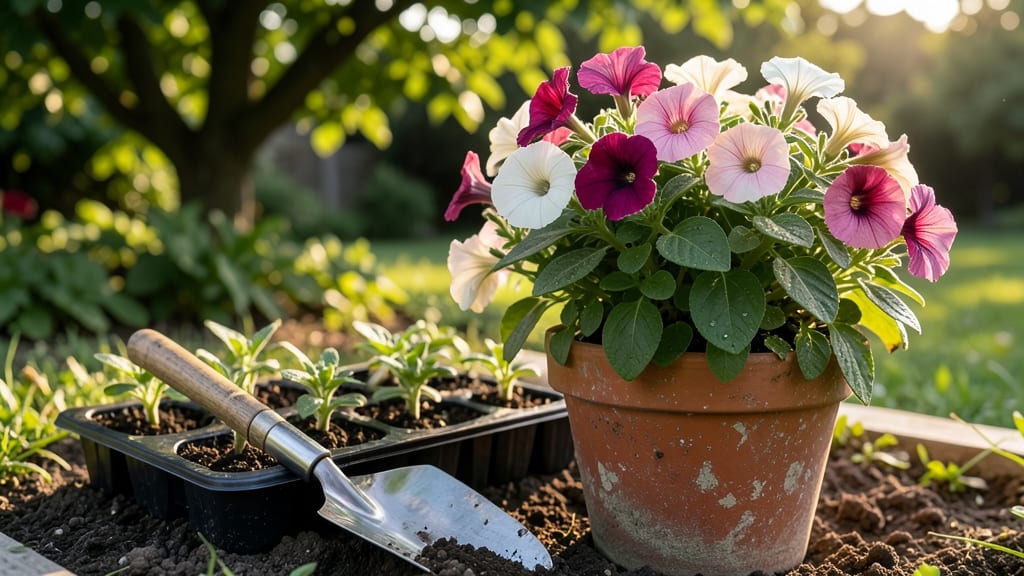
Replanting flowers doesn’t have to mean losing them—my root revival method saved my struggling petunias last summer after a heatwave. The key is timing, prep, and a little extra care to help those roots adjust.
I’ve replanted everything from delicate impatiens to tough daylilies using this same approach, and the survival rate is shocking.
You’ll need basic tools—a trowel, pruners, and a watering can—and the right moment: early morning on a cloudy day minimizes stress. Amend your soil with compost for better drainage, and dig holes just wider than the root ball.
Space plants according to their mature size to avoid future crowding. The first watering is critical—soak the roots deeply to encourage new growth.
After replanting, mulch lightly to retain moisture and keep roots cool, and watch for signs of shock like wilting or yellowing. Most plants bounce back within a week if you keep the soil consistently moist but not soggy.
I’ve seen replanted flowers bloom just as heavily as their never-moved neighbors—sometimes even more vigorous.
This works for annuals, perennials, and even container plants moved to the ground. The same principles apply whether you’re refreshing a tired border or rescuing a struggling specimen. Let’s get those flowers back in the ground the right way.
📚 In This Guide
- What you need
- Instructions
- Tips and common mistakes
- Wrapping up and next steps
What you need
- ● Trowel or hand shovel – A sturdy, sharp-edged tool (6–12 inches long) for digging roots without damage.
- ● Garden gloves – Durable, breathable pair (e.g., nitrile-coated) to protect hands from dirt and thorns.
- ● Pruning shears or scissors – Clean, sharp pair to trim dead or overgrown stems/roots.
- ● New planting container or garden bed – Size depends on plant type: Small flowers (e.g., petunias, pansies): 6–12" pots or 12" spacing in beds.
- ● Medium flowers (e.g., geraniums, marigolds): 12–18" pots or 18" spacing.
- ● Large perennials (e.g., lavender, daylilies): 18"+ pots or 24"+ in-ground spacing.
- ● High-quality potting mix or garden soil – Lightweight, well-draining blend (e.g., Miracle-Gro Potting Mix or FoxFarm Ocean Forest). Avoid garden soil unless amended with compost.
- ● Watering can or hose with gentle nozzle – For thorough hydration without displacing soil.
- ○ Mulch (optional but recommended) – 1–2 inches of organic mulch (e.g., shredded bark, straw) to retain moisture and suppress weeds.
- ● Root stimulator – Products like RootShield Mycorrhizae or Dyna-Gro Foliage Pro to boost root growth.
- ● Slow-release fertilizer – Granular or spike form (e.g., Osmocote Smart-Release) for post-replant nourishment.
- ● Support stakes or cages – For tall/heavy flowers (e.g., sunflowers, hollyhocks).
- ● pH test kit – To check soil acidity (ideal range: 6.0–7.0 for most flowers).
- ● Knee pad or small stool – For comfort during digging (especially for larger plants!).
Step-by-step guide for reviving transplanted flowers
Here’s how to handle replanting with minimal shock and maximum success.
Prepare the New Planting Site
Start by selecting a spot with similar growing conditions—match the sun exposure, soil type, and drainage of the original location. Dig a hole twice as wide as the root ball but only as deep as the container’s base. Loosen the soil around the edges with a trowel to encourage root spread. The goal is to create a welcoming environment that reduces transplant stress.
If your soil is heavy clay or compacted, mix in 2-3 inches of compost or organic matter into the bottom of the hole. This improves aeration and moisture retention, which is critical for root establishment. Tap the sides of the hole gently after amending to settle the soil without compacting it too tightly.
Handle the Root Ball with Care
Remove the plant from its container and gently loosen the root ball at the edges with your fingers. If roots are circling tightly, tease them apart—this prevents girdling as the plant grows. Hold the plant by its base rather than the stems to avoid damaging foliage. You’ll notice healthier roots are white or light tan, while dark or mushy roots indicate rot and should be trimmed away.
Place the plant in the hole so the top of the root ball sits level with the surrounding soil. Pressing the soil down firmly around the base ensures good contact, but avoid packing it too tightly—this can suffocate roots. Water deeply to settle the soil and eliminate air pockets, then let it drain completely before moving to the next step.
Water and Mulch for Recovery
After replanting, water thoroughly until moisture seeps 6 inches deep into the soil. This encourages roots to extend into the surrounding earth rather than staying clustered in the root ball. Use a slow, steady stream to avoid displacing the soil around the roots. In the first 7-10 days, keep the soil consistently moist—roots need hydration to regenerate quickly.
Apply 2-3 inches of mulch around the base, keeping it 2 inches away from the stem to prevent rot. Organic mulch like shredded bark or straw helps retain moisture, regulates soil temperature, and suppresses weeds. Check the mulch after 2-3 weeks—if it’s breaking down, add a thin layer to maintain coverage.
Tips & tricks for perfect flower transplanting
Reviving transplanted flowers isn't just about digging a hole—it's about creating the perfect conditions for roots to thrive. Here's what I've learned from years of trial and error in the garden.
Soil Preparation Secret: When amending the hole with 2-3 inches of compost or organic matter, mix it thoroughly with the existing soil rather than creating a separate layer. This gradual transition prevents root shock as they spread outward. I also recommend testing your soil pH beforehand—most flowers prefer a slightly acidic to neutral range (6.0-7.0). If your soil is alkaline, add sulfur or peat moss to the hole before planting.
Root Ball Technique: The moment you remove the plant from its container, check for any roots growing in tight circles around the edge. These "root-bound" roots can strangle the plant as it grows. Use your fingers to gently tease them apart—this simple step can double your plant's long-term success rate. Remember to hold the plant by its base, not the stems, to avoid damaging the delicate foliage that's already stressed from transplanting.
Watering Wisdom: That first deep watering after transplanting should penetrate 6 inches into the soil—think of it as giving your roots a drink that reaches their future home. I use a slow, steady stream from a watering can with a fine rose attachment to avoid displacing the soil. For the first 7-10 days, I check moisture daily by sticking my finger 2 inches into the soil. If it's dry at that depth, it's time to water again.
Mulch Maintenance: The 2-3 inches of mulch you apply isn't just for show—it's a protective blanket that regulates soil temperature and retains moisture. I've found that straw works better than wood chips for delicate flowers because it breaks down more slowly. After those initial 2-3 weeks, I add a thin layer every month during the growing season to maintain coverage. Pro tip: Keep mulch 2 inches away from the stem to prevent rot and create a donut-shaped barrier that directs water to the roots.
Pro Tips for Replant Flowers
- Reviving transplanted flowers isn't just about digging a hole—it's about creating the perfect conditions for roots to...
- Soil Preparation Secret: When amending the hole with 2-3 inches of compost or organic matter, mix it thoroughly with ...
- Root Ball Technique: The moment you remove the plant from its container, check for any roots growing in tight circles...
Frequently asked questions
Got questions about replanting flowers? You’re not alone—even gardeners with green thumbs hit snags now and then. Here are the answers to the most common concerns, so you can confidently give your flowers a fresh start!
When is the best time to replant flowers?
The ideal time depends on your climate and flower type. For perennials, replant in early spring or fall when temperatures are mild. Annuals can often be replanted in spring or early summer, avoiding extreme heat. Always check your plant’s hardiness zone and specific care needs—some flowers, like tulips, prefer cooler weather for root establishment.
How long does it take for replanted flowers to recover?
Recovery time varies by plant type and conditions. Most flowers show signs of new growth in 2–4 weeks, but full revival can take 4–8 weeks. Keep soil moist (but not soggy), provide shade if needed, and avoid fertilizing until roots establish. Stress signs like wilting or yellowing leaves may appear temporarily—patience is key!
Can I replant flowers that are already blooming?
It’s possible but risky. Blooming flowers have already used energy to produce flowers, leaving less for root recovery. If you must replant, trim spent blooms and focus on non-flowering stems to redirect energy to roots. For best results, replant before flowers appear or after they’ve faded.
What if my replanted flowers aren’t thriving after a few weeks?
Don’t panic! Common issues include overwatering (roots need air), poor soil drainage, or transplant shock. Check for yellowing leaves (overwatering) or crispy edges (underwatering). Loosen compacted soil, ensure pots have drainage holes, and consider adding compost. If roots look mushy or black, you may have root rot—repot with fresh, dry soil.
Can I replant flowers in containers instead of the ground?
Containers are great for small flowers, herbs, or delicate perennials. Use pots with drainage holes and well-draining soil. Choose containers 1–2 inches larger than the root ball to avoid overcrowding. Just ensure they get enough sunlight and water—container plants dry out faster than in-ground ones!
Wrapping up and next steps
Replanting flowers isn’t just about saving your greenery—it’s a chance to revive and reconnect with nature’s beauty! With the right tools, a little patience, and these simple steps, you’ve got everything you need to breathe new life into your plants.
Whether you’re a seasoned gardener or a beginner, every replanting effort counts—so don’t hesitate to try!
Ready to see your flowers thrive? Take the next step by checking out our guide on maintaining healthy replanted flowers—or grab your gardening gloves and get back to work! 🌱✨