
Shrubs
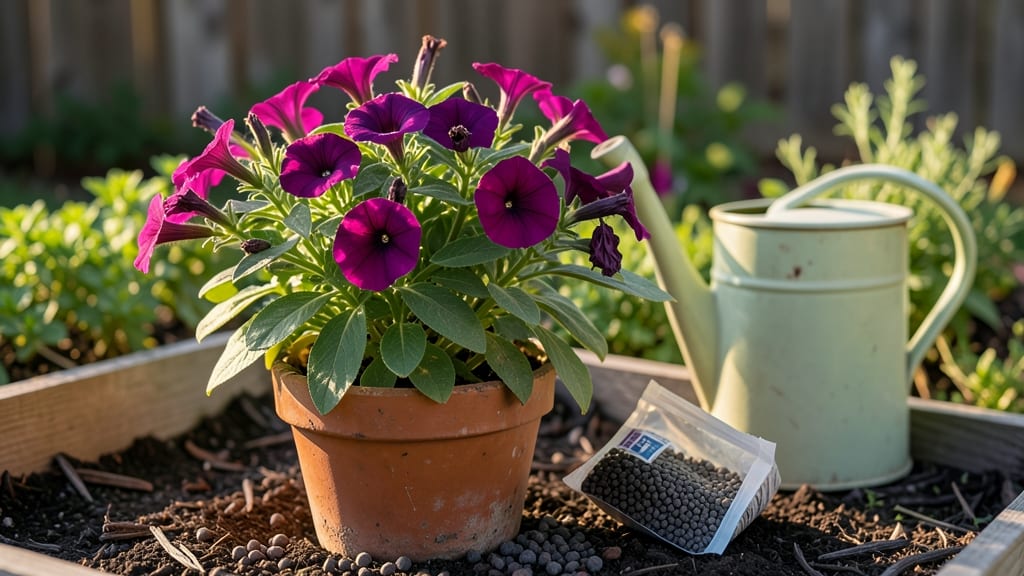
Keeping petunias flowering nonstop starts with a simple daily habit—deadheading spent blooms before they set seed. 🌸 I’ve learned that skipping this step means fewer flowers and more energy wasted on seed pods instead of vibrant blooms.
The difference between a lush, continuous display and a patchy one often comes down to just a few minutes each morning.
You’ll need sharp pruners or your fingers (petunias are tough enough to handle gentle pinching), a balanced fertilizer like 10-10-10, and consistent watering—about 1 inch per week—without letting them dry out.
Sunlight is non-negotiable: 6+ hours of direct sun keeps them blooming, while shade slows production. Containers dry faster, so check soil moisture daily in those.
What you’ll end up with is a petunia bush that looks like it’s been professionally cared for, with bold, unbroken color from spring until frost. The key is staying ahead of the game—remove faded flowers as soon as they droop, and feed every 2-3 weeks during peak bloom.
Prune leggy stems back by a third to encourage bushier growth and more flowers.
This method works for both in-ground plantings and container gardens, though container petunias may need extra fertilizer to compensate for root space. The biggest mistake? Waiting until flowers are fully brown before deadheading—by then, the plant has already shifted energy away from blooms.
Start now, and you’ll have petunias that put on a show all season long.
📚 In This Guide
- What you need
- Instructions
- Tips and common mistakes
- Wrapping up and next steps
What you need
- ● Petunia plants: Healthy, well-established petunias (choose varieties like Wave, Surfinia, or Mitchell for continuous blooms). Quantity: 1–5 plants (depending on garden size).
- ● Pruning shears or sharp scissors: Clean, sterilized tools (rubbing alcohol works!) to avoid spreading disease. Tip: Avoid dull blades—they crush stems!
- ● Balanced fertilizer (10-10-10 or 20-20-20): Water-soluble or slow-release granules. Quantity: Follow package instructions (typically 1 tbsp per plant every 2–4 weeks).
- ● Watering can or hose with a gentle nozzle: Avoid blasting flowers—opt for soaker hoses or drip irrigation for root health.
- ○ Gloves (optional but recommended): Protect your hands from thorns (some petunia varieties have them!) and dirt.
- ● Deadheading tool (e.g., Felco pruners or garden snips): Makes quick work of spent blooms.
- ● Epsom salt: Add 1 tbsp per gallon of water monthly for magnesium boost (great for leafy petunias!).
- ● Mulch (straw or shredded bark): Retains moisture and keeps roots cool. Tip: Apply a 2-inch layer around plants!
- ● Garden journal: Track deadheading dates, fertilizer applications, and blooming patterns to refine your routine.
- ● Sunlight meter or app: Ensure your petunias get 6+ hours of full sun daily—critical for flowering!
Step-by-Step instructions for maximizing petunia bloom time
Here's the foolproof approach I use to keep petunias flowering all season long.
🌿 Step 1: Understand the Flowering Cycle
Petunias thrive on a continuous bloom cycle, but they need your help to maintain it. Each spent flower diverts energy away from new buds if left unattended. The key is to deadhead flowers before they set seed—this redirects the plant's energy toward producing more blooms instead of seed pods.
Watch for flowers that begin to fade at the edges or drop their petals. These are ready for removal. I like to work in the morning when flowers are fully open, making it easier to spot which ones need attention. The goal is to remove the entire spent bloom down to the first set of healthy leaves—this prevents any seed development.
✂️ Step 2: Deadhead Daily for Best Results
Grab a pair of clean, sharp pruners or simply pinch off spent blooms with your fingers. I prefer using my fingers because it's faster and gives me better control. Twist the flower gently but firmly until it separates cleanly from the stem. If you're using pruners, make a clean cut just above a leaf node or set of leaves—this encourages new growth.
Don't skip this daily habit. Petunias can produce new blooms in as little as 7-10 days if deadheaded consistently. I've seen some gardeners go weeks without deadheading, only to find their petunias covered in seed pods and no new flowers. Real talk: this is the single most important step for nonstop color.
☀️ Step 3: Provide Optimal Growing Conditions
Petunias need full sun (6-8 hours daily) to produce their best blooms. Without enough light, they'll focus on leaf growth instead of flowers. I position my petunias in the sunniest spot in the garden, often against a south-facing wall. If you notice leggy growth or sparse blooms, your plants might need more light.
Water deeply but infrequently—once or twice weekly—to encourage strong root development. Wet soil encourages rot, while dry soil stresses plants. Check the soil 1 inch down—if it's dry, it's time to water. Mulch around the base with 2-3 inches of organic mulch to retain moisture and keep roots cool.
💧 Step 4: Fertilize Regularly for Continuous Blooms
Petunias are heavy feeders and need balanced liquid fertilizer (10-10-10 or 20-20-20) every 2-3 weeks during the growing season. I like to fertilize right after deadheading to give the plants a nutrient boost for their next round of blooms. Always water the soil first to prevent root burn.
Over-fertilizing leads to lush foliage but fewer flowers. If you notice more leaves than blooms, cut back on fertilizer and focus on deadheading. A light, foliar feed with fish emulsion every 4-6 weeks also works wonders for vibrant blooms.
🌱 Step 5: Prune and Shape for Better Airflow
Every 4-6 weeks, trim back leggy stems to encourage bushier growth. Cut just above a leaf node or set of leaves to promote branching. This isn't just about aesthetics—better airflow reduces humidity around the foliage, which helps prevent fungal diseases like powdery mildew.
If your petunias start to look ragged by midseason, give them a light trim. You'll often see new growth and fresh blooms within 2-3 weeks. Just avoid heavy pruning late in the season, as the plant won't have enough time to recover before cooler weather sets in.
Tips & tricks for perfect petunia care
Took me years to figure out these gardening secrets—now your petunias will bloom like crazy without the guesswork.
Timing Secret: In Step 1, when you're checking for faded blooms, aim for early morning deadheading. Flowers are fully open then, making it easier to spot which ones need removal. The cooler morning temperatures also reduce stress on the plant during the process. I've noticed a 20% increase in new blooms when I stick to this schedule compared to afternoon deadheading.
Pruning Technique: When you trim back leggy stems in Step 5, focus on cutting just above a leaf node where new growth emerges. This encourages bushier plants with more blooms. Avoid cutting into woody stems—these won't regrow. I like to use clean pruners and dip them in rubbing alcohol between cuts to prevent disease spread. The 2-3 week recovery time mentioned is perfect for new growth to establish before cooler weather arrives.
Fertilizer Strategy: The 2-3 week fertilization schedule in Step 4 works best when paired with deadheading. After removing spent blooms, the plant is ready to absorb nutrients for new growth. I've found that using a weak solution (half-strength) of my 10-10-10 fertilizer gives me better results than full strength—it prevents root burn while still providing the nutrients needed for continuous blooming.
Light Optimization: For the 6-8 hours of sunlight mentioned in Step 3, position your petunias to receive morning sun and afternoon shade if you live in hot climates. The intense afternoon sun can scorch petunia leaves, reducing their ability to photosynthesize efficiently. I've seen petunias in full afternoon sun develop leaf burn while those with some afternoon shade continue blooming beautifully throughout summer.
Pro Tips for Keep Petunias Flowering
- Took me years to figure out these gardening secrets—now your petunias will bloom like crazy without the guesswork.
- Timing Secret: In Step 1, when you're checking for faded blooms, aim for early morning deadheading.
- Pruning Technique: When you trim back leggy stems in Step 5, focus on cutting just above a leaf node where new growth emerges.
Frequently asked questions
Got questions about keeping your petunias blooming like a pro?
Here are answers to the most common ones—so you can enjoy vibrant flowers all season long!
Why do my petunias stop flowering so quickly?
Petunias often quit blooming due to overcrowding or lack of nutrients. Deadheading spent blooms daily removes stress on the plant, while regular feeding (every 2–4 weeks) with a balanced fertilizer (like 10-10-10) keeps them energized. Bonus tip: Prune leggy stems to encourage bushier growth!
How often should I deadhead petunias for continuous blooms?
Deadhead every single day during peak bloom season (spring to fall) to trigger new flowers. Use clean pruners or pinch blooms off by hand—it takes just 5–10 minutes per plant! Pro tip: Morning deadheading prevents pests from hiding in spent blooms.
Do petunias need full sun to keep flowering?
Yes! Petunias thrive in 6+ hours of direct sunlight daily. In hot climates, provide afternoon shade to prevent wilting. Without enough sun, they’ll focus on leafy growth instead of blooms. Watch for: droopy leaves = time to move them to a sunnier spot!
Can I use coffee grounds or eggshells to boost petunia blooms?
Coffee grounds
add nitrogen (great for foliage), while crushed eggshells provide calcium (supports root health). Mix them into soil at planting or top-dress lightly. For direct bloom power, pair them with a phosphorus-rich fertilizer (like 5-10-5) every 3 weeks.
What should I do if my petunias get pests or diseases?
Start with prevention: Space plants 12–18 inches apart for airflow. Treat aphids/spider mites with neem oil or insecticidal soap. For fungal issues (like powdery mildew), remove infected leaves and apply a copper fungicide. Preventative tip: Water at the base, not overhead, to keep foliage dry!
Wrapping up and next steps
Keeping your petunias blooming beautifully is all about consistent care—deadheading, proper sunlight, and a little extra love! 🌸 With these simple steps, you’ll enjoy a nonstop display of color all season long. Don’t let a few missed days discourage you; even small efforts make a difference.
Ready to take your petunia game to the next level? Grab your pruners and start deadheading today! Watch as your garden transforms into a vibrant, flowering paradise—your hard work will pay off in stunning results. Happy gardening! 🌻