
Propagation
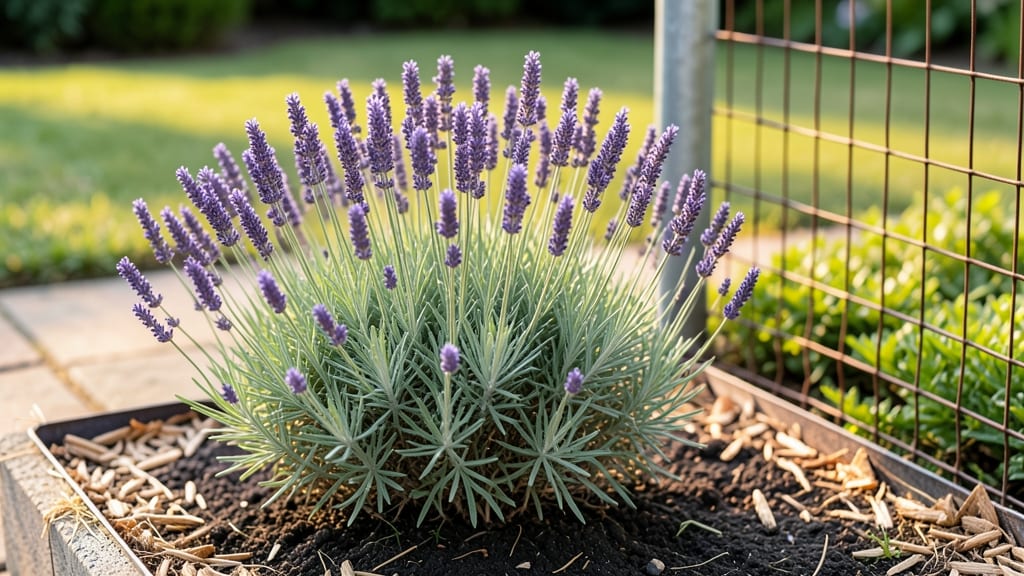
Learn how to keep cats from pooping in flower beds—because your petunias deserve better than a feline rest stop, and these natural tricks finally worked for me. 🌿 plants or pets.
The key is combining physical barriers with scents cats hate (like citrus or rosemary) and making the area less appealing. A simple chicken wire barrier buried just an inch deep stops digging, while prickly plants like lavender or catnip planted around edges send cats scurrying elsewhere.
No chemicals, no stress—just a garden that stays beautiful.
Within a week, you’ll see fewer surprise deposits and more blooms thriving where they belong. The best part? These methods protect your plants and keep your yard cat-friendly—because even neighborhood strays deserve a clean spot to roam. Let’s get your beds back to their full glory.
Works for any flower bed size, from small borders to full sunken gardens. The secret is consistency—cats learn quickly when their favorite spots become off-limits. Ready to reclaim your garden?
📚 In This Guide
- What you need
- Instructions
- Tips and common mistakes
- Wrapping up and next steps
What you need
- ● Cat deterrent sprays: 1-2 bottles (choose pet-safe, non-toxic options like citrus, vinegar, or commercial sprays like Sentry or Nature’s Miracle)
- ● Physical barriers: Chicken wire or hardware cloth (1-2 rolls, 18-24 inches tall)
- ● Stakes or garden pins (10-20, depending on bed size)
- ● Mulch or gravel: 2-3 bags (organic mulch like pine straw or inorganic options like pebbles)
- ● Gloves: 1 pair (heavy-duty for handling soil or deterrent materials)
- ● Garden hose or spray bottle: (for applying deterrents)
- ● Motion-activated sprinklers: 1-2 units (for larger yards, like ScareCrow models)
- ● Catnip or valerian plants: 3-5 plants (to lure cats to a designated area)
- ● Compost or coffee grounds: 1-2 bags (natural repellents to sprinkle around beds)
- ● Decorative rocks or spikes: (plastic or metal, for a visual deterrent)
- ● Cat litter box: 1-2 (place near the flower bed as a backup)
Step-by-Step guide to natural cat deterrents for flower beds
Here’s how to reclaim your garden without harsh chemicals or expensive fences.
🌱 Step 1: Identify and Remove Existing Attractions
Cats poop in flower beds because they’re drawn to the scent of urine or soil that smells like other cats. Start by inspecting your garden for any existing deposits—remove them completely with a small shovel or trowel, then rinse the area with water. The fresher the scent, the stronger the attraction.
Dig up any disturbed soil and replace it with fresh topsoil or mulch. Cats dislike the unfamiliar texture and scent of new soil. If you’ve noticed your cat sniffing or scratching specific spots, mark those areas—they’ll need extra attention in later steps.
💧 Step 2: Sprinkle Natural Repellents Strategically
Cats hate the smell of citrus, coffee grounds, and vinegar. Mix equal parts orange or lemon peels (dried or fresh) and used coffee grounds in a bowl, then sprinkle the blend lightly over the soil surface of your flower beds. Focus on the edges where cats tend to patrol. Reapply every 3-4 days or after rain.
For a stronger deterrent, soak a few cotton balls in white vinegar and place them near the bed’s perimeter. The sharp scent will discourage cats from approaching. Avoid over-saturating the soil—just enough to create a noticeable barrier. You’ll know it’s working when your cat starts avoiding the area entirely.
☀️ Step 3: Create Physical Barriers with Safe Materials
Use chicken wire or hardware cloth (cut into strips about 12 inches tall) and bend it into a low fence around the flower bed. Bury the bottom edge 2-3 inches deep to prevent digging underneath. Cats won’t climb over it, and the texture is unpleasant to walk on. Secure it with stakes if needed.
For a more natural look, lay down gravel or coarse sand in a 4-inch-wide strip around the bed’s edge. Cats dislike the texture under their paws, and the visual contrast makes the garden look intentional. Water the soil inside the bed but keep the gravel dry—moisture will make it less effective.
✂️ Step 4: Introduce Motion-Activated Deterrents
Place a wind chime or solar-powered motion-activated sprinkler near the flower bed. The sudden noise or spray of water will startle cats and teach them to avoid the area. Position the sprinkler so it covers the bed’s perimeter—cats won’t stick around if they get sprayed every time they approach.
If your cat is particularly stubborn, try a cat-safe ultrasonic repeller (battery-powered) near the bed. These devices emit high-frequency sounds that cats dislike but are harmless to humans. Place it 6-8 inches above the ground for best results. Check the batteries weekly to ensure it stays active.
🌿 Step 5: Monitor and Reinforce the Routine
Check your flower beds daily for new deposits—consistency is key. If you find fresh spots, reapply repellents immediately. Cats learn quickly, so if they find one area untreated, they’ll return. Keep a log of where they’re pooping to adjust your deterrents accordingly.
Over time, your cat will associate the flower bed with unpleasant sensations and avoid it entirely. If you notice them circling or sniffing near the bed, reinforce the barriers or repellents in that spot. Patience is critical—some cats take 2-3 weeks to break the habit completely.
Tips & tricks for natural cat deterrents that actually work
Here's what nobody tells you about making these deterrents truly effective—these are the details that separate temporary fixes from long-term solutions.
Citrus Power Boost: When mixing your orange or lemon peels with coffee grounds in Step 2, add a few drops of essential oil (like citrus or peppermint) to amplify the scent. Cats have an incredibly sensitive sense of smell, and this extra punch makes the deterrent work faster. Just be sure to use pet-safe essential oils—never use tea tree or eucalyptus, as these can be toxic to cats.
Barrier Placement Strategy: In Step 3, when creating your physical barriers, focus on the most vulnerable spots—typically the edges where cats approach. I've found that placing the chicken wire or gravel in a zigzag pattern along the perimeter creates more psychological resistance than a straight line. Cats are more likely to avoid areas that feel "blocked" rather than just bordered.
Motion Deterrent Placement: For Step 4's motion-activated sprinklers, position them so they cover the entire approach path to the flower bed, not just the bed itself. Cats are clever—they'll learn to avoid the spray zone if it's only at the bed. Place the sprinkler where they'd naturally circle before approaching, and you'll see them turn away before they even get close.
Consistency is Key: The daily monitoring in Step 5 is where most people fail. I can't stress enough how important it is to check those flower beds every single day—even if you haven't seen any recent deposits. Cats are creatures of habit, and if they find one untreated spot, they'll return. Set a reminder on your phone if needed. This routine reinforcement is what breaks their cycle completely.
Pro Tips for Keep Cats From Pooping In Flower Beds
- Here's what nobody tells you about making these deterrents truly effective—these are the details that separate tempor...
- Citrus Power Boost: When mixing your orange or lemon peels with coffee grounds in Step 2, add a few drops of essentia...
- Barrier Placement Strategy: In Step 3, when creating your physical barriers, focus on the most vulnerable spots—typic...
Frequently asked questions
Got more questions about keeping your flower beds cat-free? Here are some common concerns—and practical solutions—to help you protect your garden without stressing your feline friend.
Can I use citrus peels or coffee grounds to deter cats?
Yes! Cats dislike the scent of citrus and coffee. Sprinkle used coffee grounds or dried citrus peels around your flower beds—they’ll avoid the area. Just refresh every few days, as the smell fades. Pro tip: Mix with water to create a stronger deterrent paste!
How long does it take for deterrents to work?
Most cats learn to avoid treated areas within 1–3 days, but consistency is key. If your cat keeps returning, reinforce the deterrents or try a different scent (like vinegar or citrus). Patience pays off—don’t give up after one night!
What if my cat keeps pooping there despite deterrents?
If your cat ignores natural repellents, it may be marking territory or seeking soft soil. Try physical barriers like chicken wire or mulch, or consider a litter box with soil-like litter near the flower bed. Some cats prefer designated spots—redirect them!
Are there safe plants that repel cats?
Yes! Plant coleus canina, rue, or lavender near your flower beds—cats dislike their scent. Just avoid toxic plants like lilies or foxglove. Bonus: These plants add beauty and function to your garden!
Will deterrents harm my plants or soil?
Most natural deterrents (like citrus, vinegar, or coffee) are plant-safe in moderation. Avoid over-saturating soil with vinegar, though. If concerned, test a small patch first. Pro tip: Use organic mulch to mask scents while protecting roots!
Wrapping up and next steps
Keeping your feline friends from turning your flower beds into a litter box is totally doable with the right strategies! 🌿 From natural repellents like citrus peels and coffee grounds to physical barriers and training, there’s a solution that fits your garden—and your cat’s quirks.
Start small, stay consistent, and soon your blooms will thrive and your kitty will respect the boundaries.
Ready to reclaim your garden? Pick one method from this guide, test it out, and adjust as needed. Your flowers—and your sanity—will thank you!