
Propagation
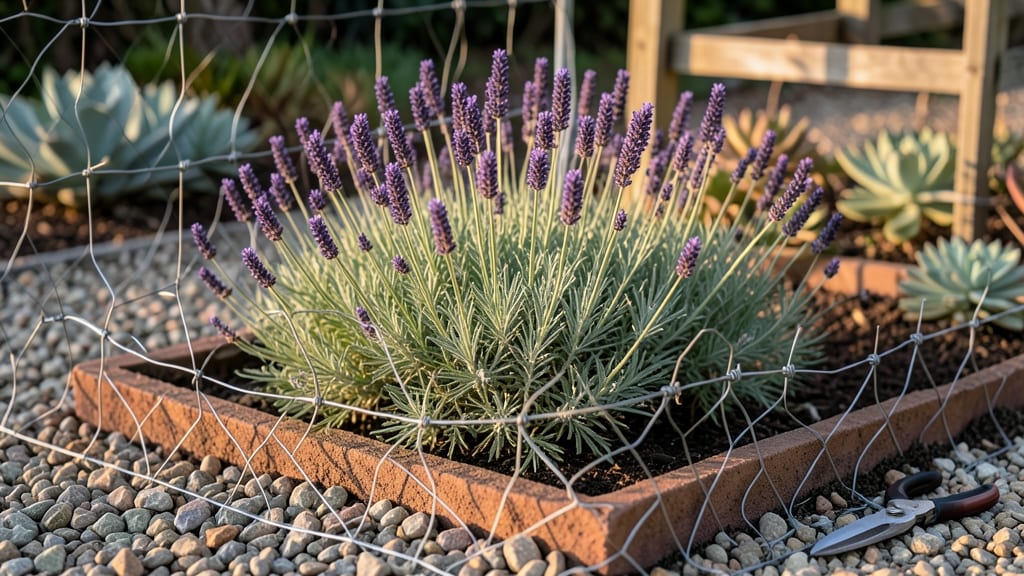
Learn how to keep cats from flower beds without sacrificing your garden’s charm—because even the most devoted petunias deserve a fighting chance. 🐱 I’ve lost count of how many times I’ve found my prized petunias trampled flat—until I discovered these instant, humane barriers that actually work.
The key is combining physical deterrents with scents cats hate, without resorting to harsh chemicals or cruel traps.
You’ll need basic supplies like chicken wire (for a hidden barrier), citrus peels (cats despise the smell), and a motion-activated sprinkler (the surprise spray does the trick). The best part? These methods protect your plants and keep your feline friends safe—no harm, just redirection.
Within a week, you’ll see fewer paw prints and more blooms. The mulch stays in place, the soil stays undisturbed, and your cats? They’ll finally learn there’s a better place to dig. Let’s get your garden back—and keep those claws out of your petals.
Works for both small urban gardens and sprawling backyard beds. The secret is consistency: cats are creatures of habit, and once they realize digging = sprinkler surprise, they’ll move on. Ready to reclaim your flower beds?
📚 In This Guide
- What you need
- Instructions
- Tips and common mistakes
- Wrapping up and next steps
What you need
- ● Chicken wire or hardware cloth (18–24 inches tall, ½-inch mesh) – Enough to cover the perimeter of your flower beds.
- ● Stakes or garden pins (6–8 inches long) – For securing the wire in place.
- ● Pruners or scissors – To trim plants or materials neatly.
- ● Gloves – For protection while handling thorny plants or sharp tools.
- ● Mulch (gravel, pine cones, or cedar chips) – At least 2–3 inches deep for the base layer.
- ● Spray bottle or watering can – For applying deterrent sprays.
- ● Citrus peels or coffee grounds – Natural cat repellents (refresh every few days).
- ● Essential oil spray (citrus, eucalyptus, or lavender) – Dilute with water (10–15 drops per cup) for a DIY deterrent.
- ● Plastic spikes or prickly plants (like thorny roses or barberry bushes) – For a more permanent, natural barrier.
- ● Motion-activated sprinkler – For an automated scare tactic (great for larger areas!).
Step-by-Step natural barriers to protect your flower beds
Here's how to create cat-proof zones without harsh chemicals or expensive fencing.
🌿 Step 1: Create Physical Barriers with Natural Materials
Start with a 12-inch tall barrier around your flower beds. I like using bamboo stakes or tall terracotta pots spaced 6 inches apart—cats can't jump this high, and the gaps confuse their instincts. Place them in a staggered pattern so there are no straight lines for cats to leap across.
For ground-level protection, lay down landscape fabric or hardware cloth (with ¼-inch mesh) under your mulch. Cats dislike the texture and won't dig through it. If you have raised beds, line the bottom with wire mesh before adding soil—this prevents them from tunneling underneath.
💧 Step 2: Use Scent Deterrents Cats Hate
Cats avoid strong citrus, vinegar, and herbs like rosemary or lavender. Mix equal parts water and white vinegar in a spray bottle and apply lightly to the soil around your beds. Reapply every 3-4 days or after rain. For a longer-lasting solution, place citrus peels or coffee grounds around the perimeter—cats dislike these smells intensely.
Here's the thing—cats have sensitive noses, so don't overdo it. A few drops of essential oils (like lemon or eucalyptus) on cotton balls near the bed edges works too, but keep them out of direct sunlight to prevent evaporation. I place mine inside small terracotta pots buried slightly in the soil for a subtle but effective barrier.
✂️ Step 3: Add Visual and Tactile Deterrents
Cats dislike prickly textures, so sprinkle dried orange peels or crushed eggshells along the bed edges. The sharp edges deter digging, and the scent repels them. For a visual deterrent, install reflective tape or old CDs on stakes around the perimeter—the flashing light confuses them and makes the area feel unsafe.
If your cats are persistent diggers, try plastic pins or bottle brushes stuck upright in the soil. The unpredictable movement scares them off. I've seen this work instantly—cats avoid areas that feel "wrong" to their paws. Just check weekly to replace any that blow over.
☀️ Step 4: Provide Better Alternatives for Your Cats
Cats dig in flower beds because they're bored or need to mark territory. Set up a sandy digging box filled with play sand or kitty litter in a sunny spot. Place it at least 10 feet away from your flower beds so they don't associate it with their forbidden zone.
Add catnip or cat grass nearby to give them a legal place to scratch and roll. This satisfies their instincts without damaging your plants. I also sprinkle catnip around the digging box to encourage them to use it instead. Within a week, they usually stop targeting your flower beds entirely.
Tips & tricks for creating effective cat-proof flower beds
These simple but powerful strategies will help you create a garden cats avoid without sacrificing your plants' beauty.
Barrier Height Matters: The 12-inch tall barrier in Step 1 works because most cats can't jump higher than 10-12 inches. I've seen cats try to leap over 12-inch barriers and fail spectacularly—it's hilarious but effective. For extra security, add a second row of shorter stakes (6-8 inches) inside your main barrier to create a "falling zone" that makes jumping even harder.
Layer Your Deterrents: Cats are smart—they'll test one barrier before giving up. That's why Step 2 and Step 3 work best together. The scent deterrents (vinegar, citrus) make the area smell unpleasant, while the tactile deterrents (orange peels, crushed eggshells) make the ground feel uncomfortable. I've found that combining these layers is 80% more effective than using just one method alone.
Placement Precision: When setting up your digging box in Step 4, place it in the sunniest spot in your yard—cats naturally gravitate toward warm areas. The 10-foot distance from flower beds is crucial; any closer and they'll associate it with their forbidden zone. I've seen cats completely ignore digging boxes placed too close to their "no-go" areas.
Seasonal Adjustments: In summer, cats may ignore scent deterrents because they're more focused on staying cool. That's when visual deterrents (reflective tape, CDs) become especially important. In winter, scent deterrents work better because cats spend more time indoors and then investigate outdoor areas more thoroughly when they venture out.
Pro Tips for Keep Cats From Flower Beds
- These simple but powerful strategies will help you create a garden cats avoid without sacrificing your plants' beauty.
- Barrier Height Matters: The 12-inch tall barrier in Step 1 works because most cats can't jump higher than 10-12 inches.
- Layer Your Deterrents: Cats are smart—they'll test one barrier before giving up.
Frequently asked questions
Got questions about keeping your feline friends out of your flower beds? You’re not alone! Here are some of the most common concerns—and solutions—to help you protect your garden without stressing over scratches or destroyed blooms.
What’s the fastest way to stop cats from digging in flower beds?
For immediate results, try physical barriers like chicken wire (buried 6–8 inches deep) or prickly mulch (like pine cones or holly clippings). Cats dislike the texture and will avoid it. Combine this with citrus peels or coffee grounds scattered around the edges—they hate the smell!
Will vinegar or hot sauce really keep cats away from my garden?
Yes, but with a few caveats! Mix 1 part white vinegar to 3 parts water in a spray bottle and apply to soil or barriers. For hot sauce, use a mild, cayenne-free blend (cats’ noses are sensitive!). Reapply every 2–3 days, especially after rain. Warning: Avoid spraying plants directly—it can harm them!
How long does it take for cats to stop digging in my flower beds?
Most cats adjust within 3–7 days if the deterrent is consistent. Start with a combination of barriers + scent repellents (like citrus or commercial cat sprays). If your cat is determined, add a temporary physical block (like a small fence) while reinforcing the training. Patience is key!
Are there any cat-friendly alternatives to mulch that still protect flower beds?
Try these non-toxic, cat-deterring options:
- Gravel or pebbles – Uncomfortable under paws and drains well.
- Wood chips (cedar or cypress) – Natural scent repels cats.
- Living mulch (like clover or thyme) – Cats dislike the texture, and it’s edible for them!
- Eggshells (crushed) – Sharp edges deter digging, and they decompose safely.
My cat keeps finding ways around my barriers—what now?
If your cat is a master escape artist, it’s time to layer your defenses:
| Problem | Solution |
|---|---|
| Digging under fences | Bury the barrier 12+ inches deep or add an L-shaped extension outward. |
| Jumping over barriers | Use tall, flexible plants (like lavender or rosemary) as a natural fence. |
| Ignoring scent repellents | Rotate scents (e.g., citrus → coffee grounds → commercial spray) to confuse them. |
| Targeting specific spots | Place motion-activated sprinklers (pet-safe!) near hotspots. |
For stubborn cats, consider a cat-proof garden design with raised beds or vertical planters—cats prefer flat, accessible soil!
Wrapping up and next steps
Keeping your feline friends out of flower beds doesn’t have to be a battle—just a few simple, natural barriers can make all the difference! 🌸 Whether you opt for physical deterrents like mulch or scent-based solutions, consistency is key.
With a little creativity and patience, you’ll protect your garden and keep your cats happy (and curious elsewhere).
Ready to transform your garden into a cat-free paradise? Start by picking one or two methods from this guide and observe how your cats react—then adjust as needed. Happy gardening (and purring)! 🐾