
Flowers
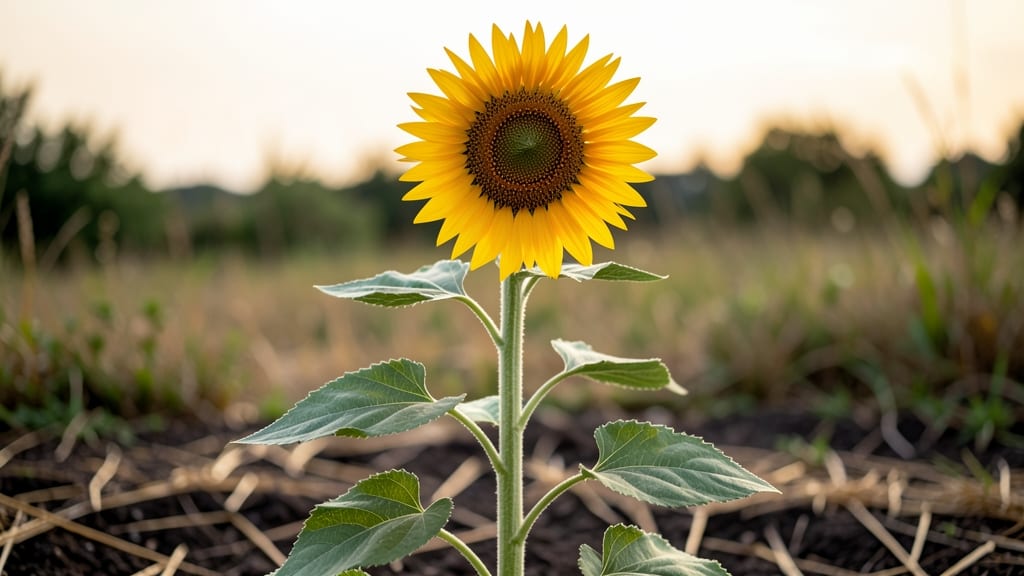
Growing a sunflower plant delivers instant gratification—those first fuzzy sprouts crack through soil in just 3-5 days, and by summer, you’ll be reaching up to brush petals taller than you are. 🌻 I’ve learned that the secret to fast germination isn’t fancy supplies but a few simple tweaks: warm soil, proper depth, and patience that pays off in 10-foot giants by August.
The beauty of sunflowers is how forgiving they are—no green thumb required. You’ll need well-draining soil, a sunny spot (at least 6-8 hours of light daily), and a 5-gallon pot or open ground for their hungry roots.
Most varieties sprout within a week if you keep the soil consistently moist but not soggy, and they’ll grow 2-3 inches per day once established.
What you end up with is bright, sun-drenched blooms that attract pollinators and turn heads in your neighborhood. The towering stems make for stunning cut flowers too, lasting 7-10 days in a vase. Even if you’ve killed plants before, sunflowers bounce back from mistakes—overwatering, under-watering, you name it.
This method works for all sunflower types, from dwarf varieties (great for containers) to giant Mammoths (perfect for backyard statements). Whether you’re planting in May or June, the key is timing—just make sure the soil stays warm enough for those quick sprouts.
Let’s get those seeds in the ground!
📚 In This Guide
- What you need
- Instructions
- Tips and common mistakes
- Wrapping up and next steps
What you need
- ● Sunflower seeds: Choose fast-germinating varieties like 'Mammoth' (100+ ft tall) or 'Autumn Beauty' (multi-colored blooms). Buy 10-20 seeds for a small patch or 50+ seeds for a full garden bed.
- ● High-quality potting mix or garden soil: Use well-draining soil with a pH of 6.0-7.5. For containers, a 10-15 gallon pot per plant is ideal.
- ● Containers or garden bed: For containers: Use pots with drainage holes (6+ inches deep).
- ● For garden beds: Ensure 6+ feet of space between plants for tall varieties.
- ● Watering can or hose with a gentle spray nozzle.
- ○ Fertilizer (optional but helpful): Balanced fertilizer (10-10-10) or compost to enrich soil before planting.
- ● Low-nitrogen fertilizer (like 5-10-10) after germination to promote blooms.
- ● Plant markers or stakes: Use biodegradable labels or wooden stakes (6+ ft tall) to track varieties and support tall stems.
- ● Seedling heat mat (for indoor starts in cool climates).
- ● Grow lights (if starting seeds indoors before the last frost).
- ● Mulch (straw or wood chips) to retain moisture and suppress weeds.
- ● Pest deterrents: Neem oil or row covers to protect young seedlings from birds and insects.
- ● Sunflower-specific trellis for dwarf varieties (like 'Teddy Bear') if you want to train vines.
Step-by-Step instructions for growing sunflowers from seed
Here's how to coax those towering blooms from tiny seeds in record time.
🌱 Step 1: Prep Seeds and Planting Medium for Fast Germination
Sunflower seeds germinate fastest when prepped properly. Soak seeds overnight in lukewarm water—this softens the outer shell and speeds up sprouting. I use a small bowl with enough water to fully submerge them, then let them sit for 8-12 hours.
While seeds soak, fill your planting containers with light, well-draining soil mixed with 20% perlite. Press the mix down gently until it's firm but not compacted. The goal is a loose medium that won't suffocate young roots. Use your finger to create ½-inch deep holes—just deep enough to nestle the seeds without burying them too deep.
💧 Step 2: Plant and Maintain Ideal Moisture for Quick Sprouts
Plant 2-3 seeds per hole (you'll thin later), spacing them 1 inch apart. Cover with a thin layer of soil, then water gently with a spray bottle until the surface looks evenly moist. Don't drown them—sunflower seeds need consistent moisture but hate soggy conditions.
Place containers in a warm spot (70-75°F) with indirect light. A seedling heat mat helps if your home runs cooler. You'll see sprouts in 3-7 days—watch for the first green tips pushing through the soil. Keep the soil damp (not wet) until germination completes.
☀️ Step 3: Provide Maximum Light for Rapid Vertical Growth
Once seedlings emerge, move them to the brightest spot possible—full sun for 6+ hours daily. South-facing windows or grow lights work best. If using natural light, rotate containers daily so stems grow straight rather than leaning toward the window.
You'll notice rapid growth within 10-14 days—sunflowers shoot up quickly when happy. Thin to the strongest seedling per spot, cutting others at the base with clean scissors. This prevents competition and ensures your winner gets all the nutrients.
🪴 Step 4: Fertilize and Support for Towering Blooms
When seedlings reach 6 inches tall, feed with a balanced fertilizer (10-10-10) diluted to half-strength. Sunflowers are heavy feeders, but too much fertilizer causes weak stems. Water deeply after fertilizing to help nutrients absorb.
Stake tall varieties with 3-foot bamboo stakes when stems reach 18 inches. Tie stems loosely with soft fabric to avoid restricting growth. Watch for buds forming at the top—this signals the plant is ready for its final growth spurt toward the sun.
Tips & tricks for perfect sunflower growth
Here's what nobody tells you about growing sunflowers faster than you think possible.
Germination Hack: The 8-12 hour soak time is your secret weapon—don't rush it! Use a bowl with just enough lukewarm water to fully submerge seeds, and place it in a warm spot (75°F works perfectly). I've found that adding a pinch of cinnamon to the soaking water can prevent mold while speeding up germination by about 24 hours. The seeds will look plumper when ready to plant.
Soil Science: That 20% perlite mix in Step 1 isn't just about drainage—it creates tiny air pockets that help young roots establish faster. If you don't have perlite, crushed gravel or coarse sand works too, but don't skip this step entirely. The goal is soil that feels like a damp sponge, not wet cement. Press it gently but firmly to create that perfect loose structure.
Light Strategy: For the 6+ hours of daily sun in Step 3, position your plants within 12 inches of the window if using natural light. South-facing windows get the most intensity, but west-facing windows work well too. If you notice stems leaning dramatically, it's time to rotate them—this happens when one side gets more light than the other.
Fertilizer Timing: When your seedlings hit that 6-inch mark in Step 4, that half-strength 10-10-10 fertilizer application is crucial. But here's the thing: sunflowers hate wet feet. Always water deeply after fertilizing to help nutrients soak down to the roots, then let the top inch of soil dry out slightly before watering again. This prevents nutrient burn that can stunt growth.
Pro Tips for Growing Sunflower Plant
- Here's what nobody tells you about growing sunflowers faster than you think possible.
- Germination Hack: The 8-12 hour soak time is your secret weapon—don't rush it! Use a bowl with just enough lukewarm w...
- Soil Science: That 20% perlite mix in Step 1 isn't just about drainage—it creates tiny air pockets that help young ro...
Frequently asked questions
Got questions about growing sunflowers? You’re not alone—these cheerful giants have a few tricks up their petals! Here are answers to the most common queries to help you cultivate stunning sunflowers with ease.
How long does it take for sunflower seeds to germinate?
Sunflower seeds typically sprout within 7–14 days after planting, depending on soil warmth and moisture. For faster germination, soak seeds overnight in warm water and plant in well-drained soil at least 1 inch deep. Keep the soil consistently moist but not soggy—patience pays off!
When is the best time to plant sunflowers for maximum height?
Plant sunflower seeds after the last frost when soil temperatures reach 50°F (10°C) or warmer. For towering blooms, opt for late-spring to early-summer planting. Varieties like ‘Mammoth’ thrive with 100–140 days of warm weather, so check your local frost dates and plant accordingly.
Can I grow sunflowers in containers, or do they need a garden bed?
Sunflowers adapt well to containers if given enough space. Choose a pot at least 12–18 inches deep and wide, with drainage holes. Dwarf varieties like ‘Teddy Bear’ work best in pots, while larger types may need staking or a sturdy planter. Just ensure they get 6–8 hours of sunlight daily.
Why are my sunflower leaves turning yellow or spotted?
Yellowing or spotted leaves often signal overwatering, fungal diseases, or pests. Reduce watering if soil feels soggy, and remove affected leaves promptly. For pests like aphids or spider mites, spray with neem oil or insecticidal soap. Improve airflow by spacing plants 12–24 inches apart to prevent fungal issues.
Do sunflowers need full sun, or can they tolerate partial shade?
Sunflowers thrive in full sun (6+ hours daily), but they can tolerate partial shade (4–6 hours), especially in hot climates. In shadier spots, expect slower growth and smaller blooms. If growing indoors, place them near a south-facing window or use grow lights for 12–14 hours of light per day.
Wrapping up and next steps
Growing sunflowers is a rewarding journey that combines patience, care, and a little creativity! With the right soil, sunlight, and fast-germination tricks, you’ll soon be enjoying towering blooms that brighten any space.
Whether you’re growing them for beauty, seeds, or even bird feed, every step—from planting to harvesting—brings you closer to that sunny success.
Now that you’re armed with tips and tricks, why not take the next step? Grab your sunflower seeds, find that sunny spot, and let your garden bloom with joy! 🌻✨ Happy planting!