
Propagation
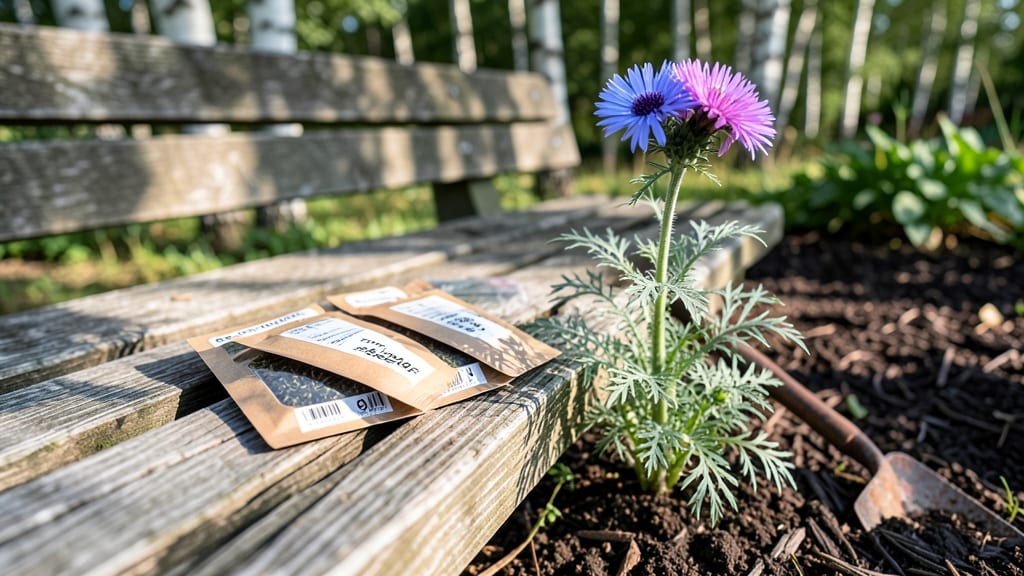
Growing cornflowers from seed feels like cheating the system—bright blue blooms in just 30 days, with almost no fuss. I’ve sown these cheerful annuals every spring for years, and they’ve never failed to deliver that pop of color when other flowers are still playing catch-up.
The secret isn’t complicated: a sunny spot, loose soil, and a little patience. Even my black thumb can’t kill these hardy seeds, which is why they’re perfect for beginners or anyone tired of waiting months for flowers to appear.
You’ll need just three things: a sunny patch (at least 6 hours of direct light daily), a packet of seeds (they’re cheap and widely available), and a small rake or hoe to scratch them into the soil.
Cornflowers thrive in average garden soil—no fancy amendments required—and they’re drought-tolerant once established. The real magic happens when you scatter the seeds in early spring, just after the last frost, or in late summer for a fall display.
They self-seed like crazy, so you’ll likely have volunteers popping up everywhere the next year.
What you end up with is a cloud of sky-blue, daisy-like blooms that attract bees, butterflies, and even hummingbirds. Cut them for bouquets, and they last for days in a vase—no need for fancy preservatives.
The plants stay compact (about 2 feet tall), so they work in borders, containers, or even between pavers. And because they’re annuals, you get a fresh batch of color every season without the upkeep of perennials.
Here’s the best part: if you forget to deadhead, they’ll still look stunning. If the soil gets too dry, they’ll pause but bounce back when watered. And if you plant them in a wildflower meadow or along a fence line, they’ll naturalize beautifully, year after year.
Ready to try? Grab a handful of seeds and a sunny spot—your garden’s about to get a lot more cheerful.
📚 In This Guide
- What you need
- Instructions
- Tips and common mistakes
- Wrapping up and next steps
What you need
- ● Cornflower seeds: 1 packet (typically 500–1,000 seeds, non-GMO for best results). Look for varieties like Centaurea cyanus.
- ● Seed trays or pots: 2–4 small containers (3–4 inches deep) with drainage holes. Biodegradable pots work great!
- ● Potting mix: 1 bag of high-quality, well-draining seed-starting mix (avoid garden soil—it’s too dense).
- ● Watering can or spray bottle: A gentle spray nozzle keeps seeds from washing away.
- ● Grow lights or sunny windowsill: Cornflowers need 6+ hours of light daily to thrive.
- ○ Fertilizer (optional but helpful): A balanced, water-soluble fertilizer (5-10-5 ratio) for transplanting.
- ● Trowel or spoon: For planting seeds at the right depth (¼ inch).
- ● Plastic wrap or humidity dome: Keeps moisture in while seeds germinate (remove once sprouted!).
- ● Labels or markers: To track planting dates (cornflowers germinate in 7–14 days).
- ● Outdoor space: A sunny garden bed or container (12+ inches deep) for transplanting after 4–6 weeks.
- ○ Gloves (optional): Protects hands from soil and prickly stems later on.
Step-by-Step instructions for growing cornflowers from seed
These cheerful blooms thrive with minimal fuss—here’s how to coax them from seed to sunlight.
Choose the Right Time and Location
Cornflowers love warmth and sun, so wait until after your last frost date when soil temperatures reach at least 60°F. They’re cold-hardy once established, but seeds need consistent warmth to germinate. Pick a spot with full sun—they’ll reward you with bold blooms if they get 6-8 hours of direct sunlight daily. If your site has afternoon shade, they’ll still grow but may produce fewer flowers.
I always test soil moisture before planting—stick your finger 1 inch deep. If it feels dry, wait a day or two. Cornflowers tolerate poor soil surprisingly well, but they’ll thrive in well-draining, average garden soil. No need to amend unless your soil is heavy clay or sandy.
Direct-Sow Seeds for Best Results
Cornflower seeds are large and easy to handle—no need for fancy starting indoors. Scatter them ¼ inch deep in rows 12-18 inches apart (they’ll spread as they grow). I like to space them 6 inches apart within rows to avoid overcrowding later. Press them lightly into the soil so they make good contact with the earth.
Water gently but thoroughly after sowing—1 inch of water should soak the soil to 2 inches deep. Avoid wetting the seeds themselves, as too much moisture can cause rot. Mulch lightly with ½ inch of straw to retain moisture and keep soil temperatures steady. Germination takes 10-20 days, so be patient if sprouts don’t appear immediately.
Thin Seedlings for Stronger Plants
Once seedlings reach 2-3 inches tall, it’s time to thin. Use scissors to snip unwanted plants at soil level—this prevents disturbing roots of the ones you keep. Leave the strongest, most vigorous seedlings 12-18 inches apart. Cornflowers self-seed readily, so thinning now ensures they have room to grow without competing for nutrients.
Water deeply after thinning to help roots recover. You’ll notice the remaining plants perk up within a few days—they’ll grow taller and bushier without competition. If you’re growing cornflowers for cut flowers, thinning is especially important for larger blooms.
Maintain with Minimal Care
Cornflowers are drought-tolerant once established, but they’ll bloom best with 1 inch of water weekly during dry spells. Water at the base in the morning to avoid fungal issues. Deadhead spent blooms to encourage more flowers, though they’ll often self-seed prolifically if you let them.
Fertilizer isn’t necessary—too much can actually reduce flowering. If your soil is very poor, a light application of 5-10-10 fertilizer in early spring is enough. Watch for powdery mildew in humid climates; improve airflow by spacing plants properly and watering at the base.
Enjoy and Extend the Season
Cornflowers bloom from mid-summer through fall, attracting bees and butterflies. Cut flowers last 5-7 days in a vase—harvest in the early morning for the longest vase life. Save seeds from the best plants by leaving a few blooms to dry on the stalk. Once brown and crisp, rub them between your fingers to release seeds for next year.
These hardy annuals often reseed themselves, so you’ll likely have volunteers popping up in future seasons. If you want to control where they grow, collect seeds and store them in a cool, dry place until next spring.
Tips & tricks for perfect cornflower growth
Cornflowers are forgiving but thrive with these simple tricks that turn good results into spectacular ones.
Soil Temperature Matters: The 60°F minimum soil temperature isn't just a suggestion—it's when cornflower seeds wake up from dormancy. I've planted them in cooler soil and watched them take their sweet time germinating. Use a soil thermometer if you're unsure, or simply wait until you can comfortably stick your hand in the soil for 5 seconds without feeling chilled. This warmth ensures consistent germination within the 10-20 day window.
Seed Placement Technique: When scattering those ¼-inch deep seeds in Step 2, think "light touch." Pressing too firmly can bury them deeper than intended, which delays germination. I like to use my knuckles to gently press the soil around seeds rather than my palms. This maintains proper depth while ensuring good soil contact. For larger plantings, consider using a seed starter tool to create consistent furrows.
Germination Timing Secret: Those 10-20 days can feel like forever, but here's what I watch for: After about 7 days, check for tiny green tips breaking through the soil. If you see nothing after 20 days in warm soil, they may have rotted from overwatering. The key is that initial 1 inch of water—it should moisten to 2 inches deep but not create soggy conditions. A moisture meter helps here if you're uncertain.
Thinning Strategy: In Step 3, when thinning those 2-3 inch seedlings to 12-18 inches apart, I've found that timing matters. Wait until you see at least 3 sets of true leaves (not just the initial seed leaves) before thinning. This gives you a better idea of which seedlings will be strongest. Also, thin on a cloudy day—the plants handle the stress better than on a hot, sunny afternoon.
Pro Tips for Growing Cornflowers From Seed
- Cornflowers are forgiving but thrive with these simple tricks that turn good results into spectacular ones.
- Soil Temperature Matters: The 60°F minimum soil temperature isn't just a suggestion—it's when cornflower seeds wake u...
- Seed Placement Technique: When scattering those ¼-inch deep seeds in Step 2, think "light touch." Pressing too firmly...
Frequently asked questions
Got questions about growing cornflowers from seed?
You’re not alone! Here are answers to the most common queries to help you cultivate these cheerful blooms with confidence.
When is the best time to plant cornflower seeds?
Cornflowers thrive in cool weather, so sow seeds directly outdoors 2–4 weeks before your last frost date (early spring) or in late summer for a fall display. If starting indoors, begin seeds 6–8 weeks before transplanting. Avoid planting when soil temps exceed 75°F—heat can stunt germination!
How long does it take for cornflower seeds to sprout?
With ideal conditions (60–70°F soil, consistent moisture), cornflower seeds typically sprout in 7–14 days. Thin seedlings to 12–18 inches apart once they’re 2–3 inches tall. Pro tip: Cover seeds lightly with soil (¼ inch) and keep them moist but not soggy for fastest results!
Why aren’t my cornflower seeds germinating?
Common culprits include too-wet or too-dry soil, poor drainage, or seeds planted too deep. Try pressing seeds gently into moist soil (no burial needed) and placing a humidity dome or plastic wrap over the tray until sprouts appear. If soil stays cold, wait for warmer temps—cornflowers hate soggy roots!
Can I grow cornflowers in containers or small spaces?
Cornflowers adapt well to containers 6+ inches deep with drainage holes. Plant 3–5 seeds per pot and thin to the strongest sprout. Use a lightweight potting mix and place containers in full sun. Bonus: Their vertical growth makes them perfect for window boxes or balcony gardens!
How do I keep cornflowers blooming all season?
Deadhead spent blooms regularly to encourage more flowers, and fertilize lightly with a balanced 10-10-10 mix every 4–6 weeks. Cornflowers are drought-tolerant once established, but they’ll reward you with nonstop color if you keep the soil slightly moist during dry spells. Pro move: Mix in compost at planting for extra nutrients!
Wrapping up and next steps
Growing cornflowers from seed is a quick, rewarding, and beginner-friendly way to add vibrant color to your garden in just 30 days!
With minimal effort and the right conditions—sunlight, well-draining soil, and patience—you’ll be enjoying cheerful blooms that attract pollinators and brighten any space. Now that you’re armed with tips and tricks, why not take the next step?
- 🌱 Start small: Try a few seeds in pots or a small patch of your garden to test your green thumb.
- 🌿 Expand your palette: Mix cornflowers with other fast-growing annuals like zinnias or marigolds for a stunning summer display.
- 📸 Share your success: Snap photos of your blooms and tag #CornflowerGardener—we’d love to see your progress!
Happy gardening—your future garden will thank you! 🌸