
Flowers
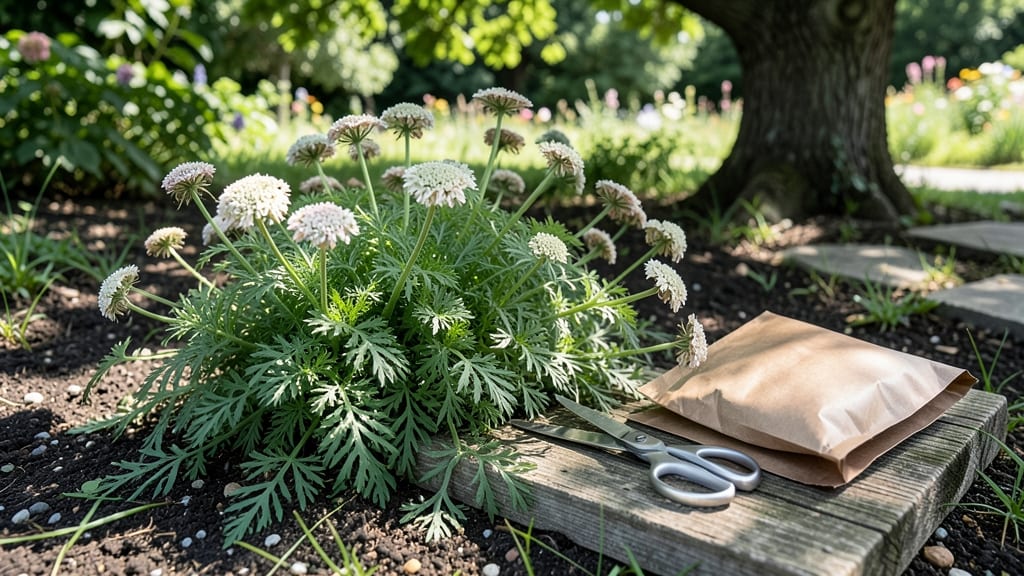
Transforming your garden into a year-round pollinator powerhouse starts with dried yarrow flowers—those delicate, fern-like blooms that refuse to fade. 🌿 I’ve used them to create winter arrangements that outlast traditional flowers by months, their papery petals holding color even when frost touches the ground.
The secret lies in harvesting at peak bloom and drying them properly, so they retain their golden-yellow and white hues long after summer ends.
Yarrow’s longevity and texture make it ideal for dried designs—think wreaths that greet guests in December, potpourri that fills your home with a subtle herbal scent, or ornamental displays that add structure to winter gardens.
Unlike many flowers, yarrow’s feathery foliage stays intact when dried, giving arrangements a natural, airy depth that’s perfect for rustic or modern aesthetics. Plus, it’s a pollinator magnet even in dried form, attracting bees and butterflies when fresh.
You’ll end up with floral displays that last through the holidays and beyond, their colors bright against snow or dark winter foliage. The process is simple: harvest stems at their peak, bundle them upside-down, and let them cure in a dry, dark space for 2-4 weeks.
Once dried, yarrow’s durability means you can shape it into anything from elegant bouquets to whimsical garden stakes—no wilting, no fading, just pure winter charm.
Whether you’re crafting a seasonal centerpiece or adding texture to a winter garden, dried yarrow delivers drama without the upkeep. The best part? It’s free, renewable, and thrives in poor soil, so you can grow as much as you need with minimal effort.
Ready to turn your garden into a four-season showstopper?
📚 In This Guide
- What you need
- Instructions
- Tips and common mistakes
- Wrapping up and next steps
What you need
- ● Fresh yarrow flowers: Harvest 1–2 cups of Achillea millefolium blooms (preferably in full bloom) from your garden or a trusted organic source. Pro tip: 🌞 Pick flowers on a dry, sunny morning for best results!
- ● Drying method of choice: Air-drying: A well-ventilated space (e.g., a mesh bag, paper bag, or hanging bundle with twine).
- ● Oven or dehydrator: Low heat (≤170°F/77°C) for 1–2 hours if short on time.
- ○ Storage containers: Airtight jars, glass containers, or resealable bags with silica gel packets (optional but recommended).
- ● Pruning shears or sharp scissors: For clean cuts (avoid crushing stems).
- ● Newspaper or parchment paper: To line drying surfaces and absorb moisture.
- ● Twine or rubber bands: For bundling stems (air-drying method).
- ○ Labeling tags: To mark harvest dates (optional but helpful!).
- ● Confirm yarrow isn’t treated with pesticides (organic sources only!).
- ● Choose a location away from direct sunlight or heat sources (prevents premature browning).
- ● Work in a clean, dust-free area to preserve flower quality.
How to harvest and dry yarrow flowers for long-lasting garden beauty
Here's how to transform your yarrow blooms into a stunning, pollinator-friendly dried arrangement that keeps giving all year.
🌿 Step 1: Select and Harvest at Peak Maturity
Choose fully open yarrow flower clusters with deep color and no signs of wilting. The best time is in mid-morning after dew has dried but before the afternoon heat sets in—this preserves color and prevents premature browning. Cut stems at a 45-degree angle about 2 inches below the flower head using clean, sharp shears. This angle increases water uptake when drying and prevents the stem from sitting flat on the drying surface.
Harvest when at least 70% of the flower heads are fully open but before seeds begin to form. Overripe flowers lose their vibrant color and may crumble during drying. I like to harvest in batches, focusing on one section of the plant at a time to avoid overworking the stems. If rain is forecast, delay harvesting—damp flowers take longer to dry and may develop mold.
☀️ Step 2: Prepare for Drying with Proper Airflow
Remove any damaged or discolored flowers immediately—they’ll ruin the entire batch. Bundle 5-7 stems together and secure with a rubber band or twine, leaving 2-3 inches of stem exposed at the bottom. This spacing ensures even airflow around the blooms. Hang bundles upside down in a dry, dark, well-ventilated space with a temperature between 65-75°F—a closet, pantry, or basement works perfectly.
Here's the thing—never use a heat source like an oven or hair dryer. Direct heat causes flowers to dry too quickly, turning them brittle and dull. Instead, rely on natural airflow. If humidity is high, place a small fan nearby to circulate air gently. You’ll know drying is complete when the stems snap cleanly when bent—this usually takes 10-14 days, depending on your climate.
🪴 Step 3: Store Dried Flowers for Long-Term Preservation
Once fully dried, carefully remove the flower heads from the stems and store them in airtight containers like glass jars or resealable bags. I like to layer the dried blooms with silica gel packets or a sprinkle of dried rice to absorb any lingering moisture—this prevents mold and keeps them crisp. Label each container with the date and variety, as yarrow’s color may fade slightly over time if exposed to light.
For the best results, store containers in a cool, dark place like a pantry or under a bed. Properly dried yarrow flowers can last 1-2 years while retaining their shape and color. If you notice any musty smells or discoloration, discard those flowers immediately—they’ve started to degrade. The key is patience: the longer you wait to use them, the more dramatic your dried arrangements will look.
✂️ Step 4: Use Dried Yarrow in Arrangements and Decor
Dried yarrow adds texture and movement to winter wreaths, potpourri, or dried flower bouquets. Its feathery foliage and clustered blooms create a lacy, airy effect that brightens dark spaces. To use in arrangements, mix with other dried flowers like statice, baby’s breath, or lavender for contrast. The stems are sturdy enough to hold their shape without flopping, making them ideal for both loose and tightly bound designs.
For a pollinator-friendly touch, scatter dried yarrow heads in winter garden beds or hang them in mesh bags near windows. Bees and butterflies recognize the scent even when dried, and the seeds may still attract beneficial insects. Real talk: dried yarrow isn’t just for looks—it’s a functional piece of your garden ecosystem year-round.
Tips & tricks for perfect dried yarrow flowers
Transforming fresh yarrow into stunning dried blooms is all about patience and precision—here's how to elevate your results.
Harvesting Timing: The mid-morning window after dew has evaporated is non-negotiable for preserving vibrant color. I've learned this the hard way after harvesting damp flowers that turned brown during drying. If you must harvest later, wait until flowers are completely dry to the touch—this prevents mold risk during the 10-14 day drying process. The 70% open bloom rule is critical too; fully open flowers maintain their shape beautifully while closed buds often shatter.
Bundle Organization: When creating your 5-7 stem bundles in Step 2, leave that 2-3 inch stem exposure intentional—it's not just about airflow, but also about creating visual interest in your final arrangements. I've found that using rubber bands instead of twine gives a cleaner look when removing them later, and it's easier to adjust bundle tightness. For larger harvests, color-code your bundles with different colored bands to organize by harvest date.
Drying Environment: The 65-75°F temperature range in your drying space is ideal, but don't overlook humidity control. In my humid climate, I place a small dehumidifier near my drying area during summer months. The gentle fan tip is particularly helpful—just position it to create a light breeze, not direct airflow. You'll notice the difference in even drying when stems snap cleanly rather than feeling leathery or brittle.
Storage Secrets: For long-term preservation beyond the 1-2 year mark, consider vacuum-sealing your dried yarrow after the initial storage period. The silica gel packets work wonders, but I've also had success with food-grade desiccant packets from craft stores. Labeling with dates is especially important—yarrow's color fades gradually, and you'll want to use the most vibrant blooms first in your arrangements.
Pro Tips for Dried Yarrow Flowers
- Transforming fresh yarrow into stunning dried blooms is all about patience and precision—here's how to elevate your r...
- Harvesting Timing: The mid-morning window after dew has evaporated is non-negotiable for preserving vibrant color. I'...
- Bundle Organization: When creating your 5-7 stem bundles in Step 2, leave that 2-3 inch stem exposure intentional—it'...
Frequently asked questions
about dried yarrow flowers—because every gardener deserves clarity! Here’s what you’ve been wondering:How long does it take to dry yarrow flowers?
Drying yarrow flowers takes 1–2 weeks in ideal conditions. Hang small bundles upside down in a well-ventilated, dark, dry space (like a garage or shed) or spread them on a screen. Patience pays off—fully dried blooms will crumble easily when touched!
Can I dry yarrow flowers indoors?
Yes, but avoid humidity! Place them in a low-moisture area (like a closet with a fan) or use a dehydrator on low heat (95°F/35°C) for 2–4 hours. Monitor closely to prevent mold—yarrow hates dampness!
What’s the best way to store dried yarrow?
Store dried yarrow in airtight containers (glass jars or paper bags) away from light and moisture. Label them with the date—they stay potent for 1–2 years. For pollinator mixes, keep them whole; for teas, crush lightly before use.
Will dried yarrow still attract bees?
Fresh is best for live pollinators, but dried yarrow retains its visual appeal and scent. Use it in winter wreaths or dried arrangements to support late-season foragers. Pair with other dried flowers (like lavender or echinacea) for extra drama!
What if my yarrow flowers mold during drying?
Mold means too much humidity! If you spot fuzzy spots, discard the batch immediately. Prevent it by:
- Drying in warm, dry air (60–70°F/15–21°C).
- Avoiding plastic bags—use breathable fabric or paper.
- Drying flowers within 24 hours of cutting.
Pro Tip:
For extra-long-lasting dried yarrow, freeze fresh flowers for 24 hours before air-drying. This kills pests and preserves color—perfect for winter bouquets!
Wrapping up and next steps
Dried yarrow flowers are more than just a stunning addition to your garden—they’re a pollinator powerhouse that brings year-round beauty and ecological benefits! Whether you’re crafting herbal remedies, floral arrangements, or simply supporting local wildlife, these versatile blooms prove that small actions can make a big impact. 🌼
Ready to turn your garden into a buzzing haven? Start by harvesting a few stems today—your future floral projects (and pollinators!) will thank you. Which creative use of dried yarrow will you try first?