
Flowers
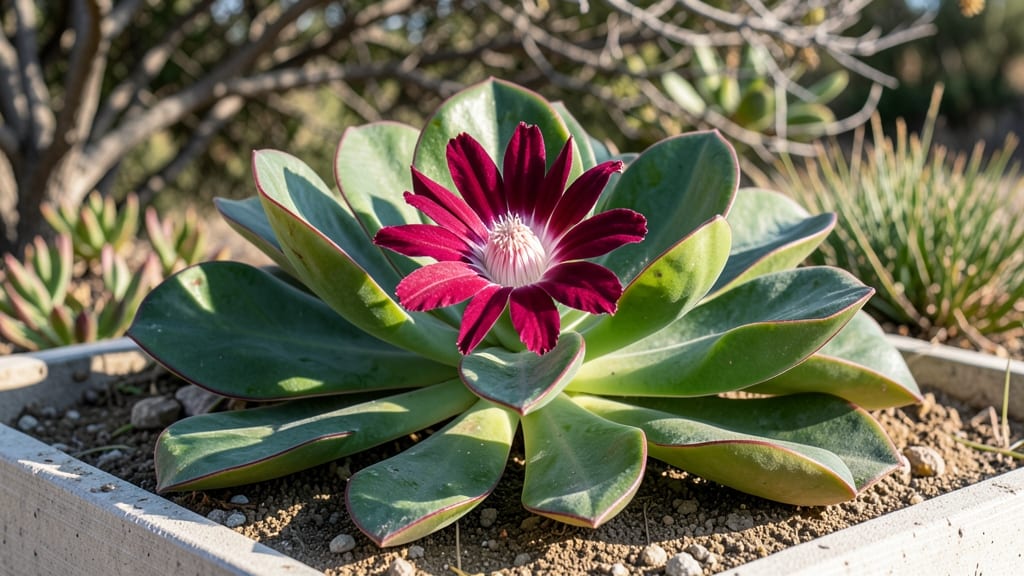
Growing Devil's Tongue flowers transforms shady corners into dramatic focal points with their velvety, moonlit foliage. 🌿 I planted mine under a mature oak where nothing else thrived, and within a season, its deep green leaves created a lush understory that outshines any other shade plant.
The key isn't just the soil—it's the patience required to let these tropical-looking beauties establish their roots before they reward you with their signature glossy leaves.
These plants demand rich, well-draining soil that stays consistently moist but never soggy—they'll tolerate partial shade but truly flourish in dappled light. Most nurseries carry them as young plants, but you can also propagate from cuttings in spring, which is where the real magic happens for gardeners who love experimenting.
The first year is all about root development, but by year two, you'll have a plant that looks like it belongs in a conservatory rather than your backyard.
What makes Devil's Tongue special isn't just its striking appearance—it's the way it changes the energy of a space. The leaves develop a silvery sheen when stressed, creating a mesmerizing contrast, and mature plants can reach heights of 6 feet with proper support.
Prune lightly in late winter to encourage bushier growth, and watch as it becomes the centerpiece of your shade garden, drawing in curious visitors who can't believe something so lush exists in low-light conditions.
Perfect for humid climates but adaptable to containers for cooler regions, Devil's Tongue proves you don't need full sun for drama. The only challenge is keeping it happy through winter—mulching heavily is your best friend here.
Once established, these plants are surprisingly low-maintenance, making them ideal for gardeners who want impact without the fuss of high-maintenance annuals.
📚 In This Guide
- What you need
- Instructions
- Tips and common mistakes
- Wrapping up and next steps
What you need
- ● Devil’s Tongue Plant: 1–3 mature pups or a 4–6" rooted cutting (ensure roots are healthy!)
- ● Well-draining potting mix: 1 bag (1–2 cubic feet) of cactus/succulent blend or standard potting soil + 20–30% perlite/pumice for aeration.
- ● Pot or container: For pups: 6–8" pot with drainage holes (terracotta or ceramic preferred).
- ● For mature plants: 10–12" pot or larger (1–2 gallons), depending on size.
- ● Drainage layer: Small pebbles, gravel, or broken pottery (½" deep) to prevent root rot.
- ● Watering can or spray bottle: With a narrow spout for precision.
- ○ Gloves (optional): To protect hands from sharp leaf edges.
- ● Pruning shears: Small, sharp pair for trimming dead leaves or dividing pups.
- ○ pH testing kit (optional): To check soil pH (ideal: 6.0–7.5).
- ○ Fertilizer (optional): Balanced liquid fertilizer (10-10-10) or slow-release granules.
- ● Diluted fish emulsion (for organic growers).
- ○ Grow lights (optional): LED or fluorescent for low-light spots (12–14 hours/day).
- ● 💡 Skip the peat moss: Devil’s Tongue hates soggy roots—stick to gritty, fast-draining mixes!
- ● ✨ Repot every 2–3 years: Refresh soil to prevent nutrient depletion.
- ● 🌡️ Humidity hack: Group plants together to create a microclimate (great for pups!).
How to grow Devil's Tongue flowers in shady spots
Here's how to create a lush, moonlit display with these dramatic shade-loving plants.
🌱 Step 1: Choose the Perfect Planting Location
Devil's tongue thrives in partial to full shade, where it gets 3-6 hours of dappled sunlight daily. Look for spots under tall trees or along north-facing walls where the light filters through leaves. Avoid deep, dark corners—these plants need some indirect light to prevent leggy growth.
Test your spot by placing a white piece of paper on the ground for a few hours. If you can barely see the print after 2 hours, it's too dark. The ideal location will show faint shadows but still allow the paper to remain visible. I always plant mine where morning sun touches the leaves briefly—this gives them just enough energy without scorching.
🪴 Step 2: Prepare Soil for Moisture-Loving Roots
These plants hate dry soil but also dislike soggy conditions. Amend your garden bed with 3-4 inches of organic compost mixed into the top 12 inches of soil. Devil's tongue prefers well-draining yet moisture-retentive soil—think rich, loamy texture rather than sandy or clay-heavy.
Work in a handful of perlite or coarse sand if your soil compacts easily. The goal is soil that holds moisture like a damp sponge but allows excess water to drain. You'll know it's right when a handful of soil crumbles easily between your fingers without sticking together. Avoid fresh manure—it can burn tender roots.
☀️ Step 3: Plant at the Right Depth and Spacing
Dig holes twice as wide as the root ball but only as deep as the container it came in. Devil's tongue has shallow roots that spread horizontally, so planting too deep suffocates them. Gently loosen the roots if they're circling in the pot before placing.
Space plants 18-24 inches apart—they'll spread slowly but form dense clumps over time. Water the hole deeply before adding the plant, then backfill with native soil mixed with a bit of compost. Press firmly around the base to eliminate air pockets, but don't compact the soil. You'll see the plant settle naturally after watering.
💧 Step 4: Water Deeply and Maintain Consistent Moisture
Water deeply once a week during dry spells, aiming for 1-1.5 inches of moisture per watering. The key is consistency—let the top 2 inches of soil dry out between waterings, then soak thoroughly. You'll know it's right when water runs out the drainage holes if planted in containers.
Mulch with 2-3 inches of shredded bark or leaves to retain moisture and protect roots from temperature swings. Avoid plastic mulch—it traps too much heat and can rot the crown. In hot climates, check soil moisture daily during the first two weeks to help the plant establish.
✂️ Step 5: Prune for Health and Encourage Fullness
Deadhead spent blooms by snipping the stem just above a set of healthy leaves using clean pruners. This redirects energy from seed production to foliage growth. I always prune in the morning when stems are stiff—it's easier to see where to cut and reduces stress on the plant.
In early spring, trim back any leggy growth by one-third to encourage bushier, more compact plants. You'll notice new shoots emerging from the base within 2-3 weeks. Avoid heavy pruning after mid-summer—it removes next year's flower buds. Always sterilize your tools with rubbing alcohol between cuts to prevent disease spread.
Tips & tricks for perfect Devil's Tongue Flower planting
Transforming your shady garden into a moonlit haven with Devil's tongue flowers starts with these essential insights.
Light Testing Secret: That 2-hour white paper test in Step 1 is your best friend—it’s the only way to truly gauge light conditions. I’ve seen gardeners skip this and end up with leggy plants that never bloom properly. The key is finding that sweet spot where the paper shows faint shadows but still remains readable. Morning sun is ideal because it’s gentle enough to prevent scorching while providing just enough energy for growth.
Soil Mixing Strategy: When amending your soil with 3-4 inches of organic compost in Step 2, mix it thoroughly into the top 12 inches—not just the surface. Devil's tongue roots spread horizontally, so they need consistent moisture and nutrients throughout their growing zone. I like to use a garden fork to loosen the soil first, then work in the compost. This creates a sponge-like texture that holds moisture without becoming waterlogged.
Planting Depth Caution: The instructions mention planting at the same depth as the container, but I can’t stress enough how critical this is. Planting too deep suffocates those shallow roots, while planting too shallow exposes them to drying out. Gently tease out any circling roots before placing the plant—this helps them establish more quickly. A good rule of thumb is to make sure the top of the root ball sits just below soil level.
Watering Consistency Hack: The 1-1.5 inches of water per week in Step 4 might sound like a lot, but it’s essential for these moisture-loving plants. I use a rain gauge to measure my watering—it’s the only way to be precise. In containers, you’ll know you’ve watered enough when water runs out the drainage holes. For in-ground plants, stick your finger 2 inches into the soil; if it feels dry, it’s time to water again.
Pro Tips for Devils Tongue Flower
- Transforming your shady garden into a moonlit haven with Devil's tongue flowers starts with these essential insights.
- Light Testing Secret: That 2-hour white paper test in Step 1 is your best friend—it’s the only way to truly gauge light conditions.
- Soil Mixing Strategy: When amending your soil with 3-4 inches of organic compost in Step 2, mix it thoroughly into the top 12 inches—not just the surface.
Frequently asked questions
Got questions about cultivating Devil’s Tongue Flower (Sansevieria trifasciata, aka "snake plant") in your shade garden? Here are answers to the most common ones—plus a few pro tips to keep your moonlit canopy thriving!
Is Devil’s Tongue Flower really low-maintenance?
This plant is a dream for beginners and busy gardeners. It thrives on neglect—water it only when the soil is bone-dry (every 2–4 weeks), and it’ll reward you with lush, architectural foliage. Just avoid soggy soil to prevent root rot. Perfect for indoor spaces or shady corners that other plants avoid!
How long does it take for Devil’s Tongue Flower to grow?
Patience is key! A young plant may take 6–12 months to establish, but growth accelerates once it’s happy. Expect 6–12 inches per year under ideal conditions (bright, indirect light and well-draining soil). With time, it can reach 3–4 feet tall—a stunning vertical statement in your garden.
Can Devil’s Tongue Flower survive in deep shade?
Yes, but with caveats. While it tolerates low light, growth slows, and leaves may become longer and less vibrant. For the best results, place it near a north-facing window or under dappled shade (e.g., under trees). If indoors, rotate the pot occasionally for even growth.
Why are my Devil’s Tongue Flower leaves turning yellow?
Yellowing leaves usually signal overwatering or poor drainage. Let the soil dry out completely between waterings, and ensure the pot has drainage holes. If the roots smell rotten, trim the damaged parts and repot in fresh, well-draining soil. Pro tip: Stick your finger 2 inches into the soil—if it’s damp, wait!
What are some Devil’s Tongue Flower alternatives for shade?
If you love the look but need faster-growing or more colorful options, try:
- ZZ Plant (Zamioculcas zamiifolia) – Nearly indestructible and glossy.
- Cast Iron Plant (Aspidistra elatior) – Thrives in deep shade with minimal care.
- Peperomia (Peperomia spp.) – Compact and varied foliage (e.g., Peperomia obtusifolia).
- Pothos (Epipremnum aureum) – Trailing vine for vertical interest.
Wrapping up and next steps
The Devil’s Tongue Flower (Sansevieria trifasciata) is a stunning, low-maintenance gem that thrives in shade gardens, offering drama and resilience. With the right care—moisture balance, bright indirect light, and well-draining soil—you’ll unlock its lush, architectural beauty. 🌿✨
Ready to transform your space? Start small—plant one or two in a pot or garden bed, and watch your shade garden come alive with this hardy, stylish plant. Happy growing! 🌱