
Blooming
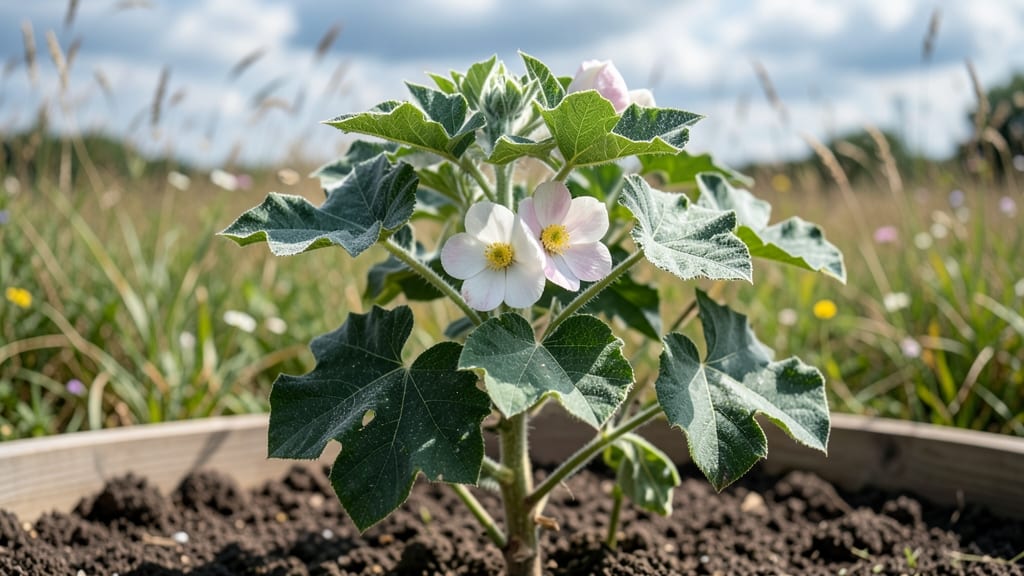
There’s nothing quite like the moment a cotton flower bloom unfurls—pale pink and airy—as if summer itself has just begun. 🌸 I’ve watched cotton plants transform from stiff seedlings into towering bushes covered in velvety buds—and the secret to those showstopping blooms starts long before the first petal. unfurls.
The real magic happens in the first 60 days, where sunlight, water, and soil work together like a well-oiled machine. Too much water drowns the roots, while too little stresses the plant into dropping buds.
My trick? A deep watering every 3-4 days—not daily sips—that keeps the soil moist but never soggy. The payoff? Buds that swell faster and stay vibrant longer.
By stage 3, you’ll see those signature cotton blossoms—each one a fleeting moment before the boll forms. The key is patience: prune aggressively in early growth to encourage branching, but stop once buds appear.
Over-fertilizing now sends energy to leaves instead of flowers, and you’ll end up with lush foliage but no blooms.
Whether you’re growing ornamental cotton (Hibiscus) or crop varieties (Gossypium), the timeline stays the same. The difference? Ornamental types reward you with longer-lasting blooms, while crop plants focus energy on boll production. Both need the same care—just different expectations.
📚 In This Guide
- What you need
- Instructions
- Tips and common mistakes
- Wrapping up and next steps
What you need
- ● Cotton seeds (Gossypium spp.) – Choose heirloom or organic varieties for best results. Quantity: 10–20 seeds (or 1–2 plants if starting with cuttings).
- ● Seed-starting mix or well-draining potting soil – Look for a blend labeled for seedlings (e.g., 50% peat/50% perlite). Quantity: 1–2 small pots (4–6 inches wide).
- ● Grow lights or sunny windowsill – Cotton thrives in full sun (6+ hours/day). A full-spectrum LED grow light (12–16 hrs/day) works indoors.
- ● Watering can with a fine rose nozzle – Keeps soil moist without disturbing seeds.
- ● Spray bottle – For gentle misting during germination.
- ● Small hand trowel – For transplanting seedlings.
- ● Plant labels & markers – Track stages of growth (e.g., "Day 10: First True Leaves").
- ○ Pruning shears (sterilized) – Optional, for shaping plants or removing dead blooms.
- ● Thermometer/hygrometer – Ideal soil temp: 75–90°F (24–32°C); humidity: 40–60%.
- ● Bio-degradable seed starter pellets – Easy transplanting when roots emerge.
- ● Fertilizer (balanced 10-10-10 or cotton-specific) – Apply lightly every 4–6 weeks after germination.
- ● Cage or trellis – Cotton plants grow 3–5 ft tall; support prevents flopping.
- ● Pollination tool (paintbrush or cotton swab) – Hand-pollinate if growing indoors for blooms.
Step-by-Step guide to nurturing cotton flower buds through bloom
Watch your cotton plants transform from leafy stems to dramatic blooms with this precise timeline.
🌱 Step 1: Establish Strong Vegetative Growth Before Bud Formation
Cotton flowers begin their journey when plants reach 4-6 weeks old and show 8-10 true leaves. This is when you'll notice the first axillary buds forming in leaf axils—tiny green nubs that will develop into either flowers or new branches. I always check for these buds by running my fingers along the main stem where leaves meet the plant.
During this stage, maintain consistent moisture—cotton roots need 1-1.5 inches of water per week, but avoid soggy soil. The key sensory checkpoint is damp but not waterlogged soil—stick your finger 1 inch deep; if it feels dry, water deeply. Fertilize with a balanced 10-10-10 formula every 10-14 days to support rapid vegetative growth without encouraging excessive leaf production over buds.
☀️ Step 2: Trigger Flower Bud Development with Proper Light Exposure
Once you spot those first axillary buds, cotton plants need full sun (8+ hours daily) to shift from leaf production to flowering. I position my plants south-facing or under metal halide grow lights for 14-16 hours/day if growing indoors. Watch for buds swelling—they'll double in size over 7-10 days when conditions are right.
Here's the thing—cotton is sensitive to temperature fluctuations. Keep daytime highs between 75-90°F and nighttime lows above 60°F. If temperatures drop below 55°F, buds may abort. I use row covers on cool nights to maintain warmth, and you'll see buds firm up noticeably when temperatures stay consistent.
🌿 Step 3: Support Bud Development Through the Square Stage
When buds grow to pea-sized squares (about 1/2 inch wide), they're entering the most vulnerable stage. This is when you'll need to hand-pollinate if growing indoors or in protected environments. Cotton flowers are self-pollinating, but gentle movement helps—tap the flower clusters lightly with your finger each morning to release pollen.
Water at the base only during this stage—wetting flowers can cause bud drop. Use drip irrigation or a watering can with a narrow spout to direct moisture 1-2 inches from the stem. You'll know you're doing it right when the squares remain plump and green, not wilting or turning brown at the edges.
💧 Step 4: Manage Moisture for Optimal Bloom Opening
The 24-48 hours before bloom, cotton flowers need reduced watering to prevent premature opening. Cut back to every 3-4 days unless the soil feels bone-dry. Watch for petals splitting—they'll start as pale green buds and gradually open to reveal the cream-colored centers. This transition happens fastest in morning sunlight, so check plants at 8-9 AM daily for new blooms.
Here's where it gets fun—watch the bloom color progression. Fresh cotton flowers open pale yellow, then deepen to creamy white within 24 hours. The center's stamens will become visible as the bloom fully unfurls. If you see buds dropping before opening, it's usually from temperature stress or overwatering—both prevent proper energy allocation to the flower.
✂️ Step 5: Harvest and Maintain for Continuous Blooming
Harvest fully open blooms by gently twisting the stem—this prevents damaging the plant. The best time is late morning when petals are fully unfurled but before they begin to wilt. I always leave 2-3 blooms per plant to allow for natural seed production, which encourages more flowering cycles.
After harvest, resume regular watering and apply a low-nitrogen fertilizer (like 5-10-10) to support new bud formation. Prune any dead or diseased leaves immediately—they can harbor pests that disrupt flowering. With proper care, cotton plants will produce 3-5 bloom cycles per season, each with 50-100 flowers depending on variety.
Tips & tricks for perfect cotton flower blooms
Real talk: The difference between thriving cotton blooms and frustrated gardeners often comes down to these small but critical details.
Light Exposure Strategy: In Step 2, when you're positioning plants for that essential 14-16 hours/day of light, don't just check the clock—watch the plant's response. Cotton leaves will naturally angle toward light sources. If you notice leaves stretching toward your grow lights or leaning dramatically, you need to rotate plants every 2-3 days to ensure even growth. Uneven light exposure causes lopsided bud development, which leads to weak blooms that drop before opening.
Temperature Fine-Tuning: Those 75-90°F daytime highs are non-negotiable, but here's what nobody tells you—the nighttime lows above 60°F are just as critical. I've seen buds abort after nights dipping below 55°F even when daytime temps were perfect. Use a small thermometer near your plants to track nighttime temperatures. If you're in a cooler climate, consider using black plastic mulch around the base to absorb and radiate heat back to the roots.
Hand-Pollination Technique: During the square stage in Step 3, when you're tapping flower clusters to release pollen, there's a right way and a wrong way. Use a light touch—think of it like dusting breadcrumbs rather than pounding a drum. Too much force can damage the delicate structures. For indoor growers, I recommend using a soft paintbrush instead of fingers to avoid transferring oils that might inhibit pollination. Do this in the morning when humidity is lower, which gives pollen time to dry and adhere properly.
Bud Health Visual Cues: In Step 4, when you're watching for petals to split, pay attention to the vein color—healthy buds will show vibrant green veins that remain crisp. If you notice veins turning yellow or brown, that's your signal to reduce water immediately. Also, check the underside of leaves for tiny white cottony webs—this is the first sign of spider mites, which can cause buds to drop. Treat with neem oil at the first sign rather than waiting for visible damage.
Pro Tips for Cotton Flower Bloom
- Real talk: The difference between thriving cotton blooms and frustrated gardeners often comes down to these small but critical details.
- Light Exposure Strategy: In Step 2, when you're positioning plants for that essential 14-16 hours/day of light, don't just check the clock—watch the plant's response.
- Temperature Fine-Tuning: Those 75-90°F daytime highs are non-negotiable, but here's what nobody tells you—the nighttime lows above 60°F are just as critical.
Frequently asked questions
Got questions about growing cotton flowers from bud to bloom? Here are some of the most common ones—and their answers—to help you nurture your plants like a pro!
When do cotton flowers typically bloom after planting?
Cotton flowers usually take 60–90 days to bloom from seed, depending on the variety and growing conditions. If you start with transplants, expect blooms in 45–60 days. Warmth and sunlight speed up the process—so give them plenty of both!
How can I tell if my cotton flower buds are healthy before they open?
Healthy cotton buds should be firm, green, and slightly plump. If they’re shriveled, brown, or falling off, it could signal pests, disease, or underwatering. Check for aphids or spider mites on leaves and ensure soil stays evenly moist (not soggy).
What’s the best way to extend the cotton flower bloom season?
To keep blooms coming, prune spent flowers regularly to encourage new growth. Deadheading (removing faded blooms) also prevents energy drain. For cooler climates, choose early-maturing varieties or grow cotton in containers to move indoors during frost.
Are cotton flowers easy to grow from seed, or should I buy transplants?
Both work! Seeds are cheaper and fun to grow, but they take longer (germination: 7–14 days). Transplants ($5–$10 each) give you a head start. If you’re short on time, transplants are ideal—but seeds let you experiment with heirloom varieties!
Why aren’t my cotton flower buds opening into full blooms?
Bud drop or failure to bloom often stems from stress. Check for:
- Underwatering/drought stress (soil should be damp but not waterlogged).
- Overcrowding (thin plants to 18–24" apart for airflow).
- Nutrient deficiencies (add balanced fertilizer like 10-10-10 at planting).
- Temperature swings (cotton thrives in 75–90°F; avoid sudden chills).
Wrapping up and next steps
Watching a cotton flower bloom from bud to full blossom is a rewarding journey—one that rewards patience, care, and a little green thumb magic! 🌸 From nurturing those tiny buds to celebrating vibrant blooms, each stage teaches you the art of timing and attention.
Now that you’re armed with the 5 key stages and essential tips, it’s time to roll up your sleeves and grow your own cotton flower masterpiece.
Ready to dive in? Start by selecting your favorite variety and plant your first seeds or seedlings today. Keep a bloom journal to track progress—you’ll be amazed at how quickly those delicate buds transform into stunning flowers! 🌱