
Flowers
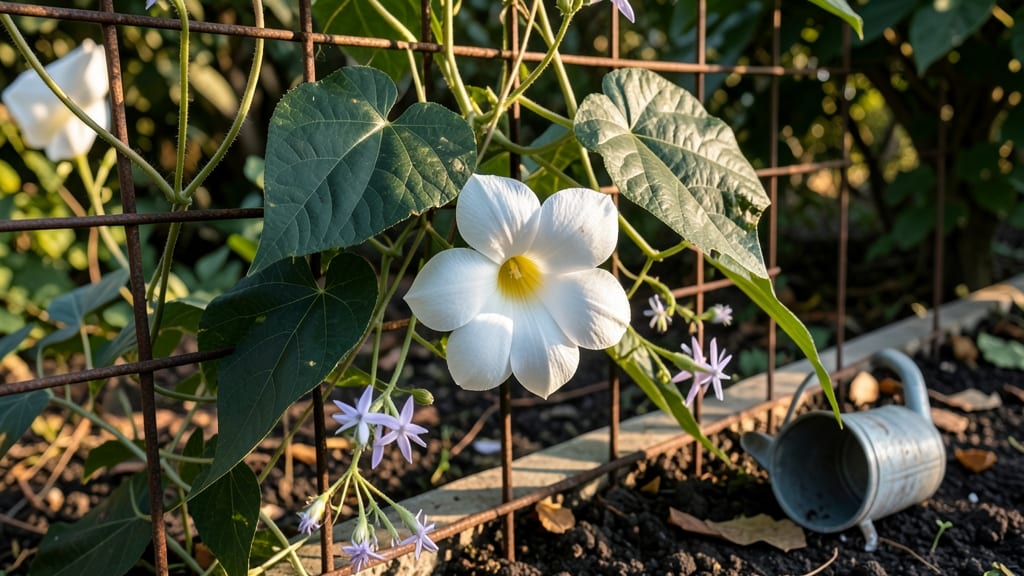
That mysterious closed moon flower thrives where most plants fail—its silvery blooms unfurl only at night, and with just a little patience, you’ll have a shady garden glowing with magic. 🌿 I planted mine last spring in a spot where nothing else would grow, and now they’re the star. of my garden, unfurling their ghostly white blooms after sunset.
The secret lies in mimicking their native tropical habits: rich, well-draining soil, consistent moisture, and a sturdy trellis to guide their rapid growth.
Moonflowers need partial shade to full shade, making them perfect for under trees or on north-facing walls. Start seeds indoors 8-10 weeks before your last frost or sow directly in warm soil—just press them lightly into moist soil, as they dislike being disturbed.
A 5-foot trellis gives them room to climb, and their vines can reach 10-15 feet in a single season. The key is patience: they grow fast but need time to establish before flowering.
By midsummer, you’ll see those first pale green buds forming—then, at dusk, the magic happens. The blooms open fully only at night, filling the air with a sweet, citrusy fragrance that’s impossible to resist.
Even if you miss the flowers, the lush foliage provides summer-long shade, and the vines attract pollinators like hummingbirds and moths. Prune spent blooms to encourage more flowers, and watch them thrive until frost.
Troubleshooting is simple: yellow leaves mean too much water, while slow growth often signals poor soil. If pests like aphids appear, a strong spray of water usually does the trick.
Moonflowers are forgiving—just give them space, shade, and a little TLC, and they’ll reward you with moonlit garden magic every summer. Ready to grow yours?
📚 In This Guide
- What you need
- Instructions
- Tips and common mistakes
- Wrapping up and next steps
What you need
- ● Seeds or seedlings: 3–5 Ipomoea alba seeds (or young plants from a nursery). Choose organic, non-GMO seeds for best results.
- ● Growing containers: For pots: 5–7 gallon containers (one per plant, with drainage holes).
- ● For in-ground: A sunlight-blocking shade cloth (50–70% coverage) or a north-facing garden bed (avoids direct sun).
- ● High-quality potting mix: 1 bag (2–3 cubic feet) of well-draining, peat-based mix (amend with perlite or coconut coir for aeration).
- ● Slow-release fertilizer: 1 lb of balanced 10-10-10 or organic compost (mix into soil at planting).
- ● Mulch: 2–3 inches of straw or shredded bark to retain moisture and suppress weeds.
- ● Basic gardening tools: Trowel or small shovel
- ○ Gloves (optional but recommended)
- ● Watering can or hose with a gentle spray nozzle
- ○ Support structure (optional but helpful): Trellis, obelisk, or 6-foot tall bamboo stakes (for vertical growth).
- ● Floating row covers (if protecting from light frost).
- ● Prerequisites: Access to partial shade (4–6 hours of dappled light daily).
- ● Consistent watering schedule (keep soil evenly moist, not soggy).
- ● Patience! Moon flowers may take 60–90 days to bloom fully.
- ● Soil pH: Test and adjust to 6.0–7.0 (moon flowers prefer slightly acidic to neutral soil).
- ● Light hack: Use white shade cloth if your garden gets morning sun—it filters UV rays gently.
- ● Watering: Bottom-water pots to avoid fungal issues (place containers in a tray of water for 10 mins, then drain).
Step-by-Step guide to growing closed moon flowers in shade
Here's how I get these delicate blooms thriving where others fail.
🌱 Step 1: Select the Perfect Low-Light Spot
Choose a location with dappled shade—think under trees or on east-facing porches where they get morning sun and afternoon shade. The key is avoiding harsh afternoon rays that scorch petals. I look for spots where other shade plants already grow well, as this indicates consistent moisture and humidity.
If your yard has only full shade, don't worry—closed moon flowers tolerate it, but blooms may be slightly smaller. Just ensure the area gets at least 3-4 hours of indirect light daily. You'll know you've picked the right spot when you see other shade-loving plants like ferns or hostas thriving nearby.
🪴 Step 2: Prepare Well-Draining Soil
These flowers hate soggy roots, so amend your soil with 2-3 inches of compost mixed into the top 12 inches of soil. I like to add a handful of perlite to improve drainage if my native soil is heavy clay. The goal is soil that holds moisture but doesn't stay waterlogged—think of it as a sponge that wrings out easily.
Test your soil by pressing a handful—it should hold together when squeezed but crumble when you poke it. If it stays compact, mix in more organic matter. The right soil prevents root rot while keeping moisture available for those sensitive blooms. I always work in the soil a week before planting to let it settle.
☀️ Step 3: Plant at the Right Depth and Spacing
Dig holes twice as wide as the root ball but only as deep as the container's root level. Closed moon flowers have delicate roots that don't like being buried too deep. I gently tease out any circling roots before placing the plant in its permanent home—this encourages outward growth.
Space plants 18-24 inches apart to allow air circulation, which prevents fungal diseases. You'll see the difference in just a few weeks—plants with proper spacing grow stronger stems and more abundant blooms. After planting, water deeply to settle the soil around the roots, but avoid creating a muddy mess.
💧 Step 4: Water Consistently Without Overdoing It
Water once a week during the first month, then every 5-7 days after establishment, adjusting for rainfall. The key is keeping the soil evenly moist but never soggy. I check by sticking my finger 1 inch deep—if it's dry, it's time to water. Overwatering is the fastest way to kill these beauties.
Water at the base of the plant in the morning to reduce evaporation and fungal risks. You'll notice the leaves perk up when moisture is right—wilting means it's thirsty, while yellowing leaves signal overwatering. Mulch with 2 inches of shredded bark to help retain moisture and protect roots from temperature swings.
✂️ Step 5: Prune and Support for Long-Stemmed Blooms
Deadhead spent blooms every 2-3 weeks to encourage continuous flowering. I use clean, sharp scissors to cut just above a set of leaves where new growth can emerge. This simple step keeps your plants looking tidy and produces more blooms—it's like giving them a little energy boost.
For taller varieties, install bamboo stakes at planting time and loosely tie stems with soft garden twine as they grow. The goal is support without restricting growth. You'll see the difference in just a few weeks—staked plants grow straighter and produce longer, showier stems. Avoid heavy pruning after mid-summer as it reduces winter hardiness.
Tips & tricks for perfect closed moon flower growth
These simple strategies will help your shade-loving blooms thrive where others struggle.
Lighting Insight: In Step 1, when choosing your spot, pay attention to how light moves throughout the day. I've found that east-facing locations with morning sun and afternoon shade work best—it mimics their natural woodland habitat. If your yard has only full shade, supplement with a small grow light for 3-4 hours daily during winter months when natural light diminishes. This extra light boost prevents leggy growth and ensures those signature blooms appear.
Soil Preparation Secret: For Step 2, don't just add compost—create a proper soil profile. I mix 2-3 inches of compost with 1 part perlite to 3 parts soil to create ideal drainage. The perlite creates tiny air pockets that prevent waterlogging while still holding moisture. Think of it as giving your roots a breathable, well-drained home where they can establish strong roots without drowning.
Planting Technique: When following Step 3's spacing instructions, remember that proper air circulation is everything. The 18-24 inch spacing isn't just about looks—it prevents fungal diseases like powdery mildew that can ruin your blooms. I often plant in a staggered pattern to maximize airflow between plants. After planting, give them a thorough watering to help settle the soil around those delicate roots without compacting it.
Watering Wisdom: In Step 4, that 1 inch deep soil check is your best friend. I've learned the hard way that wilting leaves often mean the plant needs water, but yellowing leaves mean you've overdone it. Water deeply at the base in the morning—this gives roots time to absorb moisture before the heat of the day. The 2 inches of mulch acts like a moisture blanket, keeping roots cool and soil evenly moist for longer periods.
Pro Tips for Closed Moon Flower
- These simple strategies will help your shade-loving blooms thrive where others struggle.
- Lighting Insight: In Step 1, when choosing your spot, pay attention to how light moves throughout the day.
- Soil Preparation Secret: For Step 2, don't just add compost—create a proper soil profile.
Frequently asked questions
Got questions about growing closed moon flowers (like Calystegia or Ipomoea varieties) in shade? You’re not alone! Here are answers to the most common queries—from timing tricks to troubleshooting—so your blooms stay lush and resilient.
Why are my moon flowers staying closed even in shade?
Closed blooms are normal for some varieties (like Ipomoea alba), especially in bright indirect light or cooler temps. If they’re always closed, they may need more humidity or gentle morning sun (2–3 hours max). Avoid direct afternoon rays, which can stress them.
How long does it take for closed moon flowers to open?
Timing varies by species, but most closed moon flowers (e.g., Calystegia) take 3–7 days to fully unfurl after planting, especially in consistent shade. Ipomoea varieties may open faster (1–3 days) if given dappled sunlight and warm soil (65°F+). Patience is key—some blooms open at night!
Can I grow closed moon flowers in full shade?
Yes! While they thrive in partial shade (4–6 hours of filtered light), full shade (like under trees) can stunt growth or delay blooming. Opt for shade-tolerant varieties like Calystegia sepium or pair with reflective surfaces (mirrors, white walls) to boost indirect light. Monitor for leggy stems—prune to encourage bushiness.
What’s the best watering schedule for closed moon flowers?
Keep soil consistently moist but not soggy—aim for 1 inch of water per week, adjusting for heat. Closed blooms wilt faster in dry conditions, so water early morning to prevent fungal issues. Mulch with organic matter (like shredded bark) to retain moisture and protect roots.
Are there alternatives if my moon flowers refuse to open?
If your closed moon flowers struggle, try these shade-friendly swaps:
- Hosta (foliage-focused, thrives in low light)
- Astilbe (feathery plumes, loves moisture)
- Lobelia (compact, blooms in partial shade)
- Heuchera (colorful leaves, drought-tolerant)
Troubleshooting: Why are my closed moon flowers dying?
Check for these red flags:
- Yellow leaves → Overwatering or poor drainage. Let soil dry slightly between waterings.
- Brown spots → Fungal disease (like powdery mildew). Improve airflow and avoid wetting foliage.
- No new growth → Nutrient deficiency. Feed with balanced fertilizer (10-10-10) in spring.
- Wilting → Underwatering or root rot. Trim damaged roots and repot if needed.
Wrapping up and next steps
The closed moon flower is a stunning, low-maintenance gem for shade-loving gardeners—proving that beauty doesn’t always need full sun! 🌙 With the right soil, patience, and a touch of moonlight-inspired care, you’ll soon be rewarded with fragrant blooms that defy expectations.
Whether you’re a beginner or a seasoned green thumb, this resilient plant is your ticket to a lush, shadowy sanctuary.
Ready to transform your garden? Start by gathering your supplies, then plant with confidence—your closed moon flower’s dreamy blooms are just a few weeks (and a little TLC) away. Happy growing! 🌱