
Flowers
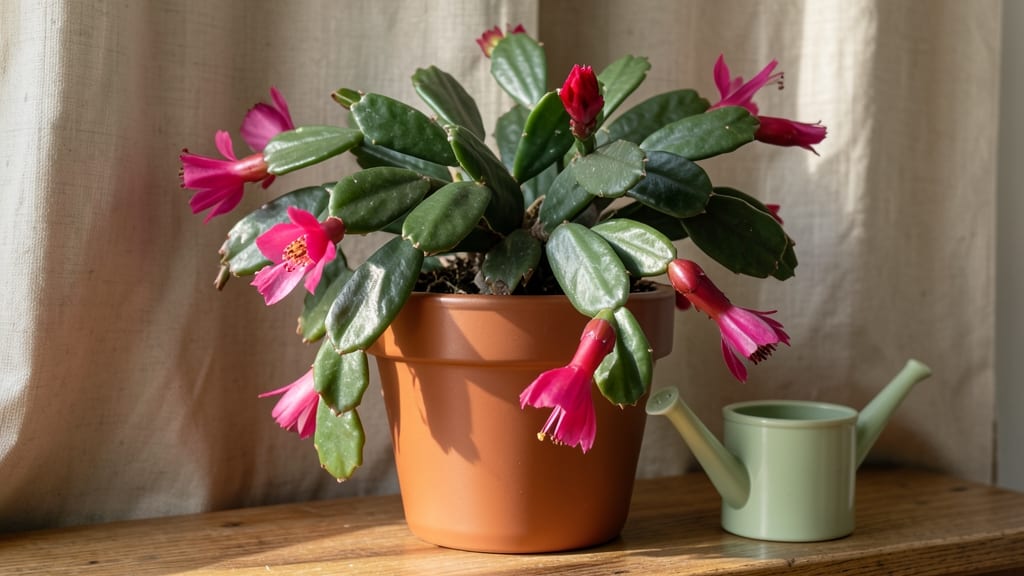
The stunning Christmas cactus flower colors—ranging from pink to red, white, purple, or striped—rely on light, temperature, and timing to truly shine, and I’ve seen mine transform from soft peach to deep magenta just by tweaking a few things. 🌸 by adjusting when I move it into bloom mode, and the difference in my living room is night-and-day.
The color you see depends on the plant’s variety and care routine. Some hybrids produce salmon-pink blooms that fade to blush, while others burst into electric purple that lasts for weeks.
The key is giving your cactus 12 hours of darkness nightly for 6 weeks before blooming season—no fancy tools, just consistency.
By the time December rolls around, your plant will reward you with clusters of velvety petals that smell faintly sweet and brighten any room. The best part? You can repeat this cycle in spring for a second show, turning your cactus into a year-round conversation piece.
Works for apartment windowsills or sunrooms—just avoid drafts and sudden temperature swings. Here’s how to coax those colors out reliably, no matter your home’s setup.
📚 In This Guide
- What you need
- Instructions
- Tips and common mistakes
- Wrapping up and next steps
What you need
- ● Christmas cactus plant (1-3 plants, depending on desired display size)
- ● Well-draining potting mix (specifically for succulents/cacti, ~1-2 gallons per plant)
- ● 6-inch terracotta or plastic pot (with drainage holes, 1 per plant)
- ● Watering can or spray bottle (with a fine mist setting)
- ● Balanced liquid fertilizer (diluted to half-strength, e.g., 10-10-10 or 20-20-20)
- ● Grow lights or sunny windowsill (south-facing window or LED grow lights, 12-14 hours/day)
- ● Pruning shears or clean scissors (for trimming leggy stems)
- ● Peat moss or perlite (to improve drainage, ~1 cup per pot)
- ● Humidity tray or pebble tray (to boost moisture levels, especially in dry climates)
- ○ Thermometer/hygrometer (optional, to monitor temperature/humidity: ideal range: 60–70°F)
- ● Decorative pot or cachepot (for aesthetic appeal, ensure it’s slightly larger than the plant’s root ball)
- ○ Rooting hormone (optional, for propagating cuttings if expanding your collection)
How to trigger vibrant Christmas cactus blooms year-round
Here's the easy way to coax stunning flowers from your holiday favorite.
🌱 Step 1: Mimic Autumn's Cool Nights for 6 Weeks
Move your Christmas cactus to a spot where nighttime temperatures drop to 55-60°F for 12-14 hours daily. This cool period signals the plant to begin flower buds. I place mine near an east-facing window where morning sunlight warms the room gradually, but evening temps naturally cool.
Use a thermometer if needed—consistent cool nights are critical. If your home stays too warm at night, a fan near the plant helps create that temperature shift. Watch for tiny buds forming along the stem segments after about 4 weeks—this is your first sign success is coming.
☀️ Step 2: Provide Bright, Indirect Light During Bud Formation
Once buds appear, shift your plant to bright, indirect light for 12-14 hours daily. South or west windows work well, but avoid harsh midday sun which can scorch the delicate petals. I rotate my plant weekly to ensure even growth—you'll see the buds plump up noticeably within 2-3 weeks of proper light exposure.
If your home lacks good natural light, supplement with a fluorescent grow light kept 6-12 inches away. The buds will open most fully when they receive consistent light from all directions. Watch for color development—pink, red, or purple hues intensify with proper light conditions.
💧 Step 3: Maintain Consistent Moisture Without Overwatering
Water your Christmas cactus when the top inch of soil feels dry to the touch. Overwatering causes buds to drop, while underwatering stunts their growth. I use room-temperature water and pour until it drains freely from the bottom—this prevents root rot while keeping the plant hydrated.
Mist the plant lightly once weekly during bud formation to increase humidity slightly. Avoid letting water sit in the crown of the plant where buds form—this can cause them to rot before opening. When buds are fully open, reduce misting to prevent mildew on the delicate petals.
⏰ Step 4: Adjust Care for Extended Blooming Periods
For year-round blooms, repeat the cool-night cycle every 8-10 weeks after flowers fade. This mimics seasonal changes and encourages reblooming. I keep my plant in a cool basement window during summer months, then bring it back to normal care when fall approaches.
After blooming, fertilize lightly with balanced 10-10-10 every 4-6 weeks during active growth. Reduce watering slightly in winter when growth slows naturally. The key to vibrant colors is consistency—maintain the same light, temperature, and watering routine each cycle.
Tips & tricks for vibrant Christmas cactus blooms
Here's what nobody tells you about keeping your Christmas cactus flowering beautifully all year.
Temperature Precision: Those 55-60°F cool nights in Step 1 are non-negotiable for bud formation. I use a small digital thermometer tucked near the plant's pot to verify temps—especially important if you live in a warm climate. The plant needs this consistent nightly chill for at least 12-14 hours daily without fail. If your home stays too warm, try placing the plant on a cooling rack over ice packs during evening hours.
Light Direction Matters: In Step 2, when you're providing bright indirect light, position your plant so the light comes from the side rather than from above. This creates more even bud development along the stem segments. I rotate my plant weekly to prevent one side from getting too much direct light, which can cause uneven color development in the blooms.
Moisture Balance: The "top inch dry" rule in Step 3 is your best friend, but here's the secret: tap the pot gently before watering. If it sounds hollow, it's definitely dry. If it sounds slightly damp, wait another day. Overwatering is the #1 reason buds drop before opening. I always water in the morning so any excess drains completely before nightfall.
Color Enhancement: For more vibrant colors, add a drop of food coloring (matching your desired hue) to the water when misting during bud formation. The plant absorbs this through its leaves and intensifies the natural pigmentation. I use a tiny amount—just a drop in 8 ounces of water—because too much can damage the delicate petals.
Pro Tips for Christmas Cactus Flower Colors
- Here's what nobody tells you about keeping your Christmas cactus flowering beautifully all year.
- Temperature Precision: Those 55-60°F cool nights in Step 1 are non-negotiable for bud formation.
- Light Direction Matters: In Step 2, when you're providing bright indirect light, position your plant so the light comes from the side rather than from above.
Frequently asked questions
Why aren’t my Christmas cactus flowers changing color?
The colors of your Christmas cactus (typically pink, red, white, or purple) are genetically set, but intensity can vary based on light exposure. Place it near a bright, indirect window (like an east-facing one) to deepen hues. If colors seem dull, check for underwatering—consistent moisture (but not soggy soil) helps blooms pop!
Can I make my Christmas cactus bloom earlier or later than Christmas?
Yes! The key is light and temperature. To trigger blooms in fall (earlier than December), move your plant to a cool (50–55°F), dark spot for 12–14 hours daily for 6–8 weeks. For winter blooms (later), start this routine in October. Avoid heat sources (like vents) or sudden light changes—patience is key!
Are there rare or unusual Christmas cactus flower colors?
While pink, red, and white are most common, yellow, orange, and even bi-color varieties exist! Look for hybrids like Schlumbergera truncata ‘Yellow Bird’ or ‘White Christmas’. Pro tip: Grafted cacti (with colorful tops) can produce striped or speckled blooms, but they’re trickier to care for. Check local nurseries or online plant shops!
My Christmas cactus dropped buds—what went wrong?
Bud drop usually means stress from one of these culprits:
- Temperature swings: Keep it consistent (60–75°F during the day, 50–55°F at night).
- Overwatering: Let the top inch of soil dry out between waterings.
- Drafts or heat: Avoid radiators, AC vents, or cold windows.
- Fertilizer shock: Stop feeding 2–3 months before blooming.
Can I propagate my Christmas cactus to get more colorful flowers?
Cut a healthy stem (3–4 segments) and let it dry for 1–2 days. Plant in well-draining soil and water lightly. The new plant will bloom in 2–3 years—just mimic the parent’s light/temperature triggers. Pro tip: Use the same variety for consistent colors!
Still stumped?
Drop your question in the comments—we’re happy to help your cactus flourish!
Wrapping up and next steps
Your Christmas cactus can bloom in a stunning array of pink, red, white, or even purple hues with just a few simple triggers—light, temperature, and timing! Whether you’re drawn to vibrant pinks or delicate whites, these tips ensure year-round color without the guesswork. 🌸
Ready to transform your green thumb into a floral artist? Start by observing your plant’s cues—like bud formation—and experiment with the triggers above. Before you know it, your home will be bursting with seasonal cheer, one breathtaking bloom at a time!