
Flowers
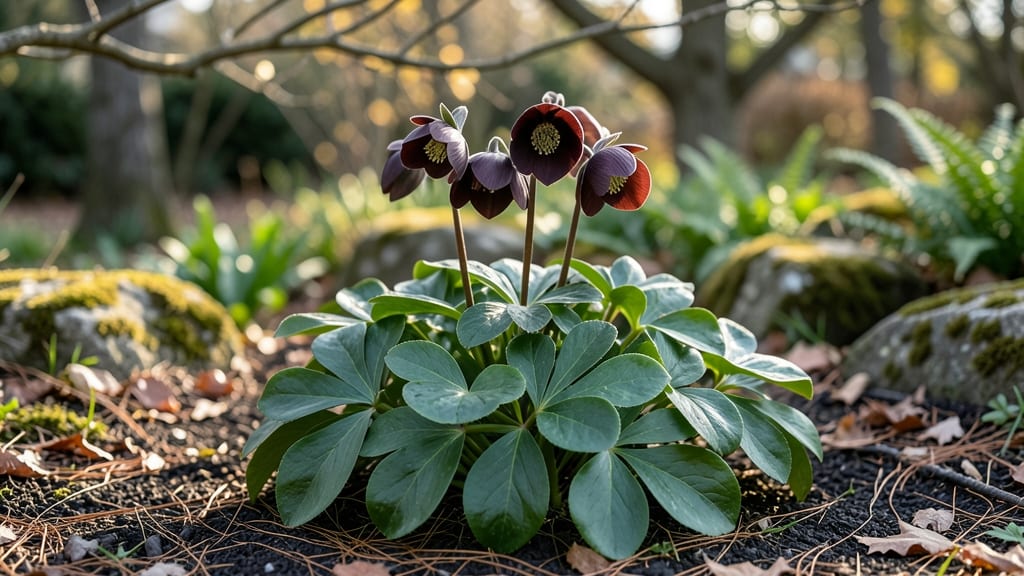
The velvety allure of chocolate-coloured flowers instantly elevates gardens into moody, sophisticated sanctuaries—where deep burgundies and rich cannas like Bergenia and Canna ‘Pretoria’ weave warmth and drama beyond what standard greens and whites can achieve. match.
The secret lies in their versatility: they thrive in borders, containers, or shadowy corners where most plants struggle.
These plants demand minimal fuss but deliver maximum impact. Most chocolate-colored varieties prefer partial shade and well-draining soil, making them perfect for understory plantings or urban courtyards with limited sunlight.
Pair them with silver foliage plants like Lamium or Sedum to create a high-contrast, almost painterly effect—think Rembrandt meets your backyard. The key is balancing their boldness with lighter textures to avoid visual overload.
What you'll achieve is a garden that feels intentional, almost theatrical. Imagine Heuchera's chocolate leaves catching morning light, or Tulipa 'Queen of Night''s velvety petals standing out against spring greens.
These plants flower at different times—some in early spring, others through summer—so you get layered drama all season long. Their rich tones also make them ideal for wedding bouquets or cutting gardens where you want to make a statement.
Whether you're designing a shadow garden, a modern urban space, or a traditional cottage border, these plants adapt effortlessly. Start with one or two varieties to test your soil and light conditions before committing to a full palette. The payoff? A garden that feels luxurious without the high-maintenance price tag.
📚 In This Guide
- What you need
- Instructions
- Tips and common mistakes
- Wrapping up and next steps
What you need
- ● Chocolate Cosmos Seeds (Cosmos atrosanguineus) – 1 packet (50-100 seeds). These are the star of the show!
- ● Well-draining potting mix – 2-3 gallons. Use a blend of 50% garden soil, 30% perlite, and 20% compost for optimal growth.
- ● Seed-starting trays or small pots – 6-12 units (3-4 inches deep). Biodegradable pots are a great eco-friendly option!
- ● Organic fertilizer (balanced, 10-10-10 or similar) – 1 small bag (5 lbs). Boosts vibrant blooms.
- ● Watering can or spray bottle – With a fine mist nozzle for gentle hydration.
- ● Gloves – 1 pair (gardening gloves). Protects hands from soil and prickly stems.
- ● Trowel or small shovel – For transplanting seedlings.
- ○ Spray bottle (optional) – For misting seeds during germination.
- ○ Stakes or small cages (optional) – To support taller stems as they grow.
- ● Sunlight – Full sun (6-8 hours daily). These beauties thrive in bright, open spaces!
- ● Warmth – Germination best at 70-75°F (21-24°C). Start seeds indoors 6-8 weeks before the last frost.
- ● Patience – Germination takes 10-21 days. Stay consistent with care!
How to grow stunning chocolate-colored flowers in your garden
These velvety blooms aren’t just beautiful—they’re surprisingly simple to cultivate with the right approach.
Select the Right Chocolate-Colored Flower Varieties
Not all dark flowers are created equal. For true chocolate-hued blooms, focus on bergenias (like 'Black Beauty'), heucheras (such as 'Plum Pudding'), or cobaea scandens (cup-and-saucer vine). These varieties develop deep, rich tones that resemble cocoa or espresso when mature. Avoid purple-black flowers—true chocolate blooms have a matte, velvety finish rather than a glossy sheen.
Check your hardiness zone before purchasing. Most chocolate-colored perennials thrive in zones 4-9, while tropical varieties like cobaea need zones 9-11 or container growing. I’ve found that bergenias are the most forgiving for beginners—their deep foliage and flowers maintain their color even in partial shade.
Prepare Soil and Planting Conditions
Chocolate-colored flowers need well-draining, slightly acidic soil (pH 6.0-6.5) to maintain their rich tones. Amend heavy clay with 2-3 inches of compost and mix in 1 cup of peat moss per square foot to lower pH naturally. Avoid fresh manure—it can cause nutrient burn, which dulls the deep colors.
Plant in morning sun to afternoon shade for most varieties. Too much direct sun can bleach the petals, while too little light weakens the plant’s ability to produce vibrant blooms. Test your spot by observing how long shade lasts—3-4 hours of direct sun is ideal for bergenias and heucheras.
Plant and Maintain for Deepest Color
Dig holes twice as wide as the root ball but only as deep. Gently loosen roots if they’re circling the pot—this encourages outward growth, which supports stronger color development. Water deeply before planting to help roots settle into the soil.
After planting, mulch with 2 inches of shredded bark to retain moisture and prevent weeds. Water 1-2 times per week (depending on rainfall) until established, then reduce to once every 10-14 days. Overwatering causes pale, waterlogged foliage, which washes out the chocolate hues. Always water at the base—wetting leaves can lead to fungal spots that dull the color.
Fertilize for Vibrant Blooms
Feed with a balanced, slow-release fertilizer (10-10-10) in early spring and again after blooming. Avoid high-nitrogen fertilizers—they promote leafy growth at the expense of flower color intensity. Instead, use a low-nitrogen, high-phosphorus formula (like 5-10-5) to encourage deeper pigmentation.
I like to add 1 tablespoon of Epsom salt per gallon of water every 4-6 weeks during the growing season. The magnesium boost enhances anthocyanin production, the compound responsible for the rich chocolate tones. Apply in the morning to avoid leaf burn from evaporation.
Prune and Deadhead for Long-Lasting Color
Remove spent blooms weekly to redirect energy into new flowers. For bergenias, trim back 1/3 of the oldest foliage in early spring—this prevents overcrowding and keeps the plant producing fresh, deeply colored leaves. Use clean, sharp pruners to avoid tearing tissue, which can invite disease.
In fall, cut back dead or yellowing leaves but leave 2-3 inches of stem for winter protection. This prevents frost damage to the crown, ensuring next year’s blooms emerge with the same rich tones. For tropical varieties like cobaea, bring containers indoors before first frost and place in a cool, bright spot (50-60°F) until spring.
Tips & tricks for cultivating chocolate-colored flowers
Here's what nobody tells you about bringing out those velvety chocolate hues in your garden—details that make all the difference.
Variety Selection Matters: When choosing between bergenias, heucheras, and cobaea, pay attention to their mature leaf color. Some heucheras like 'Plum Pudding' develop deeper tones over time, while bergenias maintain consistent color from early spring. For true chocolate blooms, look for varieties specifically labeled as "espresso" or "chocolate" in the trade name—they're bred for maximum pigment intensity. I've found that bergenia 'Black Beauty' holds its rich color even in less-than-ideal light conditions, making it the most reliable choice for beginners.
Soil Science for Color: The pH 6.0-6.5 range isn't just a number—it's what activates the anthocyanin pigments that create those deep chocolate hues. Test your soil before planting; if it's too alkaline, your flowers will develop dull, muddy tones instead of rich cocoa colors. I recommend using a digital pH meter for accuracy—soil test kits from garden centers can sometimes give inconsistent results. For containers, use a 50/50 mix of peat moss and perlite to maintain that ideal acidity.
Light Management is Critical: Those 3-4 hours of morning sun are non-negotiable for maintaining color intensity. Too much direct afternoon sun causes chlorophyll production to spike, which dilutes the chocolate pigments. I've seen gardeners with perfect morning sun locations get disappointed when they plant in full sun spots—watch for leaf scorch on the edges as an early warning sign. For heucheras, a sheer curtain or lattice structure can filter harsh afternoon rays while still allowing beneficial light penetration.
Fertilizer Timing Secrets: The 10-10-10 balanced fertilizer in early spring isn't just about general nutrition—it's about setting up your plants for maximum anthocyanin production. What I've learned is that applying it when new growth first appears (typically late April in zone 5) gives your plants the phosphorus boost they need for vibrant blooms. The 5-10-5 formula after blooming isn't optional—it's what prevents the color from fading mid-season by maintaining strong root development.
Pro Tips for Chocolate Coloured Flowers
- Here's what nobody tells you about bringing out those velvety chocolate hues in your garden—details that make all the difference.
- Variety Selection Matters: When choosing between bergenias, heucheras, and cobaea, pay attention to their mature leaf color.
- Soil Science for Color: The pH 6.0-6.5 range isn't just a number—it's what activates the anthocyanin pigments that create those deep chocolate hues.
Frequently asked questions
Got questions about growing or caring for chocolate-colored flowers? You’re not alone! Here are some of the most common queries—and their answers—to help you nail those rich, velvety blooms.
What types of flowers naturally have chocolate-colored blooms?
True chocolate-colored flowers are rare, but some varieties come close! Bergenias (like 'Bressingham Seedling'), Heucheras (especially dark purple-black cultivars), and Cyclamen (deep maroon tones) can mimic the look. For a deeper hue, try Dahlia 'Chocolate Soldier' or Rudbeckia 'Chocolate Soldier'—both lean toward warm, mocha tones.
How long does it take for chocolate flowers to bloom?
Timing varies by plant! Perennials like Bergenias may take 1–2 years to establish and bloom, while annuals like Zinnias (deep bronze types) can flower in 6–8 weeks from seed. Cold-hardy varieties (e.g., Heucheras) often bloom in early spring, while tropicals (like Canna) may wait until summer heat triggers growth. Patience pays off—rich colors deepen as plants mature!
Can I dye flowers to look chocolate-colored?
For a quick fix, try food-grade dyes like beet juice (for reddish-brown) or coffee/tea stains (for muted tones). Soak cut stems in a diluted solution for 12–24 hours, then rinse. Pro tip: Use white or light-colored flowers (e.g., roses, carnations) for the best contrast. For permanent color, opt for dyed silk flowers—no fading!
Why are my chocolate flowers fading or turning dull?
Dull blooms often signal stress. Check for:
- Overwatering: Chocolate-hued flowers (especially Heucheras) hate soggy soil. Let the top inch dry between waterings.
- Too much sun: Deep colors can bleach in harsh light. Provide partial shade (morning sun + afternoon shade works well).
- Nutrient deficiency: Yellowing leaves? Amend soil with compost or iron supplements for richer hues.
What’s the best way to display chocolate flowers for maximum impact?
Let those moody blooms shine! Pair them with:
- Silver or gold foliage (e.g., Hostas, Senecio) for contrast.
- White or cream flowers (e.g., Dianthus, Ranunculus) to make the dark tones pop.
- Terracotta pots or black containers to enhance the chocolatey vibe.
Wrapping up and next steps
Chocolate-colored flowers aren’t just a delicious treat for the eyes—they’re a celebration of creativity and nature’s rich palette! Whether you’re crafting these blooms for a special occasion or simply to brighten up your space, you’ve unlocked a world of artistic joy. 🌸✨
Now that you’re armed with the right materials and tips, why not take the next step? Experiment with different shades, mix textures, or even create a full floral arrangement. Your garden—or your table—will thank you!