
Lawn
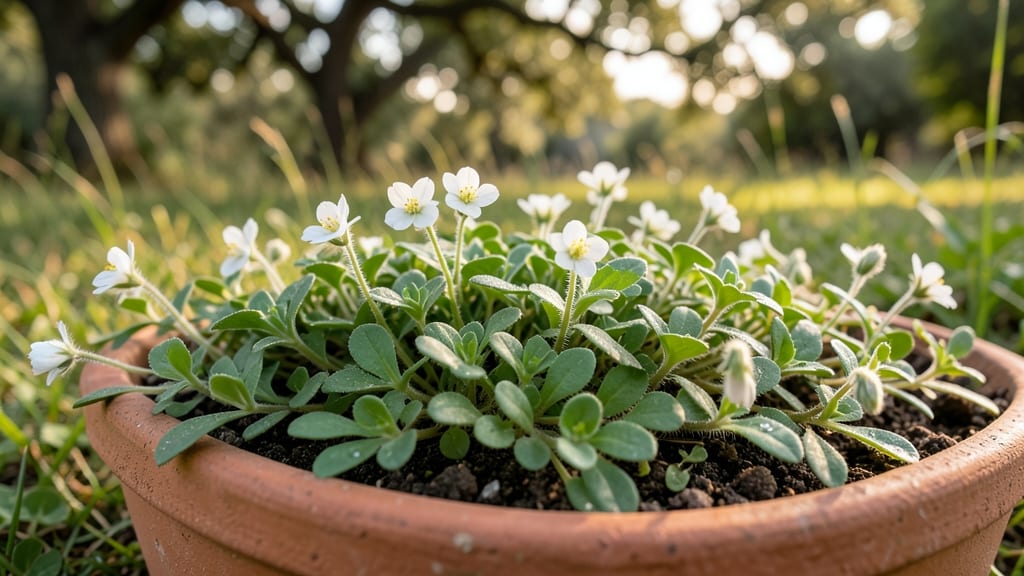
Those delicate white flowers creeping across your lawn aren’t just unsightly—they’re chickweed, a tenacious weed that thrives in cool weather. I’ve spent years battling this one, and I’ll tell you exactly how to spot it, remove it without harsh chemicals, and keep it from staging a comeback.
The key is acting before it spreads, because once it takes over, pulling it out becomes a never-ending chore.
Chickweed loves moist lawns and shady spots, which is why it pops up right when you think your lawn is finally settling in. The good news? It’s shallow-rooted, so you can yank it out by hand—or smother it with mulch or cardboard if you’re dealing with a larger patch.
I’ve even used a simple vinegar spray for stubborn spots, though timing matters. Spring and fall are the best seasons to tackle it before it sets seed.
What most people don’t realize is that chickweed isn’t all bad—it’s edible, attracts pollinators, and even improves soil health when composted. But in your lawn? It’s a nuisance that competes with grass for water and nutrients.
With the right approach, you can clear it out naturally and keep your lawn looking thick and green all season long. Let’s get started with the tools and methods that actually work.
Whether you’re dealing with a small patch or a full-blown invasion, the secret is consistency. Pull it early, prevent it from reseeding, and focus on strengthening your grass so it outcompetes the chickweed naturally.
I’ll walk you through every step—from identification to long-term prevention—so you can reclaim your lawn without breaking a sweat or the bank.
📚 In This Guide
- What you need
- Instructions
- Tips and common mistakes
- Wrapping up and next steps
What you need
- ● Garden gloves (1 pair) – Nitrile or leather for durability and grip.
- ● Hand trowel or weeding tool – Look for a sturdy, ergonomic design (e.g., Fiskars or Corona brands).
- ○ Garden fork or dandelion digger – For deep-rooted chickweed (optional but helpful for stubborn patches).
- ● Sharp scissors or pruners – For trimming chickweed close to the ground.
- ● Bucket or wheelbarrow – For collecting weeds and debris (5+ gallon capacity).
- ● Natural weed killer options (choose one): White vinegar (5% acetic acid) + dish soap (1 gallon vinegar + 1 tbsp soap).
- ● Boiling water (1–2 gallons, for spot treatment).
- ● Corn gluten meal (organic pre-emergent; apply 10 lbs per 100 sq ft).
- ● Hose with adjustable nozzle – For rinsing or diluting treatments.
- ● Lawn rake or dethatcher – To clear debris and aerate soil post-treatment.
- ● Mulch (straw or wood chips) – To suppress regrowth in treated areas.
- ● Cornmeal or clove oil – Natural chickweed deterrents (apply lightly).
- ● Kneeling pad – For comfort during long sessions.
- ● Trash bags (2–3) – For easy disposal of weeds.
- ● Sun hat and sunscreen – Because even weeding deserves SPF love!.
How to identify and remove chickweed from your lawn
This is the method I use to tackle stubborn chickweed without harsh chemicals.
Confirm It’s Chickweed Before Acting
Chickweed has delicate, oval-shaped leaves with tiny white flowers that bloom in spring. The stems are hairy and spread low to the ground, forming dense mats. Run your fingers over the plant—if it feels slightly fuzzy, that’s your confirmation. I always check a small patch first to avoid mistaking it for clover or other ground covers.
Look for the characteristic V-shaped pattern where leaves grow opposite each other along the stem. This is key to distinguishing it from other weeds. If you’re unsure, snap off a small section and compare it to photos of chickweed before proceeding.
Pull by Hand at the Right Time
The best time to remove chickweed is after a light rain or when the soil is moist. This makes the roots easier to extract without breaking. I like to work in the early morning when the dew is still on the grass—it signals the soil is damp. Grab the weed at the base, near the soil line, and pull upward with steady pressure.
Don’t rush—chickweed has shallow roots, but they spread horizontally. If you leave even a small piece behind, it will regrow. I find it helps to wear gloves and work in sections, focusing on one area at a time. For stubborn patches, I’ll go back a second time later in the week to catch any missed plants.
Smother Remaining Patches
If pulling doesn’t eliminate the entire patch, cover the area with thick cardboard or layers of newspaper. Secure it with rocks or mulch to keep it in place. Chickweed can’t survive without sunlight, so this method starves it out over 4-6 weeks. I’ve used this trick in shady spots where hand-pulling is less effective.
Once the area is clear, replace the cardboard with fresh topsoil or a thin layer of mulch to encourage grass regrowth. Water lightly to help the soil settle. This step prevents chickweed from returning by blocking its access to light, which is its primary energy source.
Prevent Regrowth with Natural Barriers
After removing chickweed, overseed bare spots with a dense grass variety like fine fescue or perennial ryegrass. A thick lawn crowding out weeds is the best long-term defense. I spread the seed in early fall when temperatures are cooler and moisture levels are ideal for germination.
Water the area lightly every 2-3 days until the new grass reaches 3 inches tall. Avoid heavy watering, which can wash away seeds. Once established, the grass will outcompete chickweed for nutrients and space, making it much harder for the weed to take hold again.
Monitor and Repeat as Needed
Check your lawn weekly for new chickweed sprouts, especially after rain or in shaded areas. Early detection makes removal easier. I keep a small hand trowel in my gardening bag for quick spot treatments. If chickweed reappears, repeat the pulling or smothering process immediately.
Over time, maintaining a healthy, dense lawn will reduce chickweed’s ability to establish itself. This method takes patience, but it’s chemical-free and keeps your lawn looking natural. Consistency is key—chickweed is persistent, but so are you once you know what to look for.
Tips & tricks for perfect chickweed removal
Chickweed might seem harmless, but those fuzzy white-flowered weeds can take over your lawn if you're not careful. Here's what I've learned after years of battling these persistent plants.
Visual Confirmation is Key: Before you pull anything, take a closer look at the leaf arrangement. Chickweed's opposite V-shaped leaves growing directly across from each other is the dead giveaway. I always check this pattern first—it's how I avoid accidentally pulling clover or other weeds. Run your fingers along the stem too; that fuzzy texture confirms it's chickweed every time.
Timing Makes All the Difference: The instructions mention pulling after rain, but I've found early morning dew works just as well. The soil needs to be damp enough that the roots come out cleanly, but not so wet that you're fighting mud. I've ruined three lawn sections trying to pull chickweed when the ground was dry—don't make my mistake! If your lawn is particularly dry, water the area lightly the night before pulling.
Smothering Strategy for Stubborn Spots: When you cover patches with cardboard or newspaper, make sure it's completely blocking all light. Even a tiny gap can let chickweed survive. I've used black plastic sheeting in really stubborn areas because it's heavier and stays put better than cardboard. The 4-6 week timeline is accurate, but I've seen faster results in shady areas where chickweed struggles more with sunlight deprivation.
Grass Selection Matters: For overseeding, I recommend fine fescue over other varieties because it grows slowly and densely, which gives it the best chance to outcompete chickweed. Spread the seed evenly and keep it moist—don't let it dry out completely between waterings. I've seen perennial ryegrass work too, but it grows faster and might need more frequent mowing to maintain that dense barrier.
Pro Tips for Chickweed Lawn Weeds With White Flowers
- Chickweed might seem harmless, but those fuzzy white-flowered weeds can take over your lawn if you're not careful.
- Visual Confirmation is Key: Before you pull anything, take a closer look at the leaf arrangement.
- Timing Makes All the Difference: The instructions mention pulling after rain, but I've found early morning dew works just as well.
Frequently asked questions
How do I tell chickweed apart from other white-flowered weeds in my lawn?
Chickweed has tiny, star-shaped white flowers on slender stems and oval, smooth leaves with a slightly fuzzy texture. Unlike clover (which has three leaflets) or dandelions (with jagged leaves), chickweed’s leaves grow in pairs along the stem. Check for these distinctive traits to confirm identification.
When is the best time to remove chickweed from my lawn?
The ideal time is early spring or fall when chickweed is actively growing but before it seeds. Pull it by hand (roots included) when the soil is moist—this reduces regrowth. Avoid summer removal, as chickweed thrives in cooler weather and may rebound quickly if stressed.
Can I use vinegar or other natural remedies to kill chickweed?
Yes! A 1:1 vinegar-water mix with 1 tsp dish soap sprayed directly on chickweed (avoiding grass) can kill it within 24–48 hours. For larger patches, try corn gluten meal (a pre-emergent herbicide) in early spring. Always spot-test first to protect your lawn.
Why does chickweed keep coming back even after I pull it out?
Chickweed spreads via tiny seeds and root fragments. If you leave behind even a small piece of root, it regrows. For stubborn patches, smother with cardboard or mulch for 4–6 weeks to block sunlight. Improving lawn density with proper watering and overseeding also crowds out chickweed.
Is chickweed harmful to my grass or pets?
Chickweed is non-toxic to pets and humans and won’t harm grass directly, but it competes for nutrients and water, weakening your lawn. While not poisonous, its spread can indicate poor soil health. Address underlying issues (like compacted soil) to prevent future weed outbreaks.
Wrapping up and next steps
Spot those chickweed weeds with white flowers in your lawn? You’re now armed with natural, effective ways to tackle them—no harsh chemicals needed! 🌱 Whether you choose manual removal, vinegar solutions, or preventive strategies, consistency is your best ally.
Start small, stay patient, and watch your lawn reclaim its lush, weed-free glory.
Next step: Pick your method, roll up your sleeves, and give your lawn the TLC it deserves. Your green oasis is just a few steps away! 🌿