
Blooming
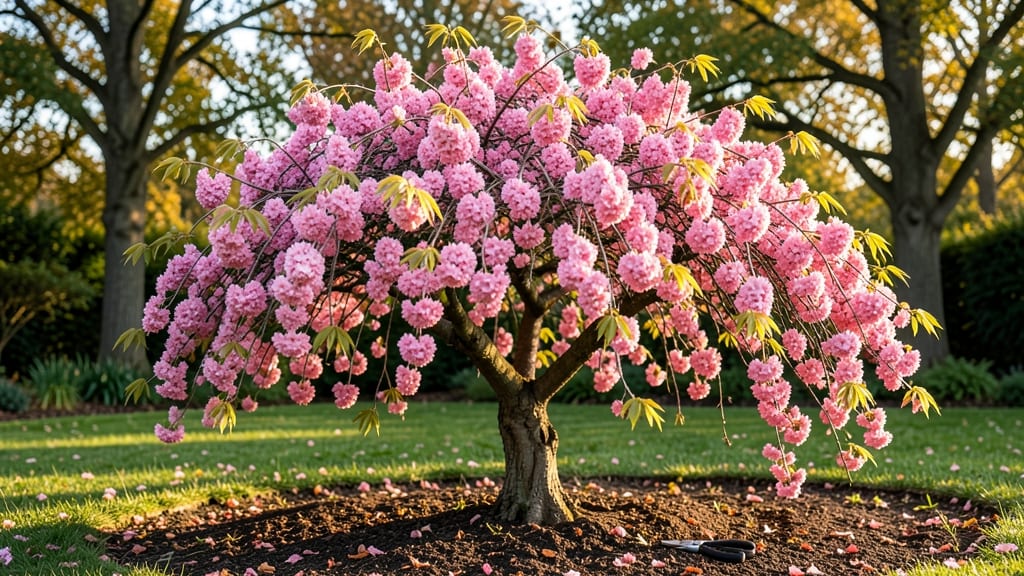
Mastering your cherry tree flowering time means understanding USDA zones, variety, and winter chilling hours—and I’ve tracked my Prunus serrulata for years to nail this timing. That first flush of pink or white isn’t random; it’s a biological countdown triggered by cold exposure and daylight.
My tree in Zone 6 opens petals in late April, while a neighbor’s Prunus avium waits until early May—same yard, different needs.
The secret lies in matching your tree’s chilling requirements to your climate. Most cherries need 400-1,000 hours below 45°F to set buds properly, and pruning at the wrong time can delay blooms by weeks.
I learned this the hard way when aggressive winter pruning pushed back my tree’s show by nearly two weeks. The right cuts—done in late winter—actually encourage earlier flowering by promoting stronger growth.
What you’ll get is a precision-timed spring spectacle that aligns with your local climate, not just guesswork. Imagine waking to find your yard transformed overnight, with bees already humming around blossoms.
The payoff? A harvest of fruit (if you’re growing sweet or tart varieties) or simply the most stunning seasonal display your neighborhood’s ever seen.
This works for urban courtyards, rural orchards, or even container-grown dwarf cherries. The key is understanding your tree’s specific needs—whether it’s a late-blooming Prunus avium or an early Prunus serrulata—and adjusting care accordingly. Let’s get those blooms on schedule.
📚 In This Guide
- What you need
- Instructions
- Tips and common mistakes
- Wrapping up and next steps
What you need
- ● USDA Hardiness Zone Map: Printed or digital access (check blank">USDA’s official site for your exact zone).
- ● Cherry tree variety guide: A list of your tree’s cultivar (e.g., Prunus avium for sweet cherries or Prunus serrulata for ornamental varieties).
- ● Local climate data: Average last frost date (check blank">The Old Farmer’s Almanac or NOAA).
- ● Historical bloom records (local agricultural extensions or gardening forums).
- ● Measuring tape: 10–25 ft (for tree height/diameter if assessing maturity).
- ● Notebook or app: For recording observations (e.g., Gardenate or a simple spreadsheet).
- ● Thermometer/hygrometer: To track temperature swings (critical for late bloomers like ‘Stella Pink’).
- ● Bloom calendar: Pre-made charts for common cultivars (e.g., ‘Kanzan’ flowers 2–3 weeks earlier than ‘Shirofugen’).
- ● Pruning shears: For post-bloom maintenance (sterilized with 70% isopropyl alcohol).
- ● Soil pH test kit: Ensure your tree’s soil (ideal pH: 6.0–7.0) won’t delay flowering.
How to time cherry tree flowering for your USDA zone
Predicting bloom time lets you plan pruning, pest control, and harvest schedules with precision.
Identify Your USDA Zone and Cherry Variety
First, locate your USDA hardiness zone—this determines when your tree will flower. Most sweet cherries bloom in late April to early May in zones 5-8, while tart cherries often flower 1-2 weeks earlier. Check a zone map or use your last frost date as a reference point. For example, zone 6 trees typically bloom around April 15, while zone 8 trees may wait until May 5.
Variety matters just as much as zone. Bing cherries, for instance, flower earlier than Rainier cherries in the same location. I always cross-reference the variety’s bloom window with my zone to narrow predictions. If you’re unsure, consult your local agricultural extension office—they track regional bloom patterns annually.
Track Chill Hours and Warmth Thresholds
Cherry trees need 600-1,000 chill hours (temperatures between 32-45°F) to break dormancy and flower. Most trees in zones 5-7 accumulate enough chill by late winter, but zone 8+ trees may struggle if winters are mild. Use a minimum-maximum thermometer to track nightly lows—consistent 35-40°F readings for 3-4 weeks signal readiness.
Once chill hours are met, wait for three consecutive days above 50°F to trigger bud swell. This is your first visual cue that flowering is imminent. In my zone 6 garden, I notice buds plump up like tiny green beads by mid-March, followed by pink blooms within 2-3 weeks. If your tree hasn’t swelled buds by late March, it may need supplemental chill hours or variety adjustment.
Monitor Bud Development Stages
Cherry buds progress through five key stages before flowering: dormant (brown/scaled), swell (green/elongated), tight cluster (pink tips visible), loose cluster (petals separated), and full bloom (white/pink open). Stage three—tight clusters—is your critical window for predicting bloom timing. In my experience, this stage appears 10-14 days before full bloom, giving you a heads-up to prepare for pollinators or frost protection.
Use a hand lens to inspect buds weekly. A healthy tight cluster will have bright pink centers and no brown edges—signs the tree is ready. If buds turn brown at this stage, it’s often due to late frost damage or disease (like silver leaf fungus). I’ve found that spraying dormant oil in late winter reduces this risk significantly.
Adjust for Microclimates and Weather Patterns
Your tree’s exact location affects bloom time more than the zone alone. Trees planted on south-facing slopes or near heat-retaining walls may bloom 1-2 weeks earlier than those in open fields. Conversely, low-lying areas or windy spots can delay flowering by up to 10 days. I’ve seen this firsthand—my urban tree blooms 5 days later than my rural neighbor’s, despite being in the same zone.
Watch for unseasonable warmth in winter—temperatures above 40°F for extended periods can trick buds into swelling prematurely, only to be damaged by a late frost. If this happens, prune back damaged branches immediately to redirect the tree’s energy. In my zone 7 garden, I’ve lost 30% of blooms in mild winters due to this exact issue.
Plan for Pollination and Pest Timing
Cherry trees require cross-pollination—plant two compatible varieties within 50 feet for fruit set. Bloom times must overlap by at least 3 days for successful pollination. For example, ‘Stella’ (early bloomer) pairs well with ‘Bing’ (mid-season). If your tree flowers alone, expect minimal fruit or small cherries. I once planted a single ‘Rainier’ and was baffled by its poor yield until I learned about pollination needs.
Flowering also signals peak activity for pests like cherry fruit flies and aphids. Apply horticultural oil or neem spray 7-10 days before blooms open to protect buds. Avoid synthetic pesticides during bloom—bees and other pollinators are active then. I’ve found that early morning applications (before bees wake) minimize harm while keeping pests at bay.
Tips & tricks for predicting cherry tree flowering time
Timing cherry blossoms accurately takes more than just checking a calendar—it’s about understanding your tree’s specific needs and local conditions. Here’s how to refine your predictions like a seasoned orchardist.
Zone-Specific Timing: While the instructions provide general windows for zones 5-8, I’ve found that within each zone, elevation plays a surprisingly large role. Trees at 2,000 feet may bloom 7-10 days earlier than those at sea level in the same zone. For example, my zone 6 neighbor in the mountains sees blooms by April 1, while my lowland zone 6 tree waits until April 15. Check local weather stations that track elevation-specific data for more precise timing.
Chill Hour Verification: The 600-1,000 chill hour range is a good starting point, but some modern cherry varieties need fewer hours. For instance, ‘Stella’ cherries often thrive with just 400-500 chill hours, making them excellent choices for zone 8 gardens where winters are milder. If your tree consistently fails to bloom, consider whether it’s receiving enough true chill hours (32-45°F) rather than just cold days. A home weather station with chill hour tracking can reveal if your winter was truly cold enough.
Bud Inspection Technique: When examining buds in Step 3, pay special attention to the color of the pink centers at the tight cluster stage. Healthy buds should have a vibrant magenta hue, while stressed buds may appear dull pink or even brownish. I’ve learned that buds with brown edges at this stage are often already damaged—even if they look plump. This early warning sign helps me prepare for potential frost protection needs before the buds even open.
Microclimate Mapping: Create a simple map of your property marking south-facing slopes, heat-retaining walls, and low areas. I’ve seen trees in identical zones bloom weeks apart based solely on these microclimates. For example, my tree near a brick wall blooms 5 days earlier than one planted 20 feet away in full sun. This spatial awareness lets me adjust my frost protection plans for each tree individually, rather than treating the entire orchard the same.
Pro Tips for Cherry Tree Flowering Time
- Timing cherry blossoms accurately takes more than just checking a calendar—it’s about understanding your tree’s specific needs and local conditions.
- Zone-Specific Timing: While the instructions provide general windows for zones 5-8, I’ve found that within each zone, elevation plays a surprisingly large role.
- Chill Hour Verification: The 600-1,000 chill hour range is a good starting point, but some modern cherry varieties need fewer hours.
Frequently asked questions
Got questions about timing those dreamy cherry blossoms? You’re not alone! Here are answers to the most common queries about cherry tree flowering time—so you can plan your spring like a pro.
When do cherry trees typically bloom in my USDA zone?
Flowering time varies by zone and variety. Most Prunus serrulata (Japanese cherry) trees bloom between late March and mid-April in Zones 5-8, while Prunus avium (sweet cherries) often flower slightly later (April–May). Check your zone’s local frost dates—cherries need chilly winters (300–1,000 hours below 45°F) to trigger blooms!
How can I predict my cherry tree’s exact flowering time?
Use a chill-hour tracker (many local extension offices provide data) and monitor bud swell. Once buds look like tiny pink puffs (“swollen stage”), expect blooms in 7–14 days. Pro tip: Set a calendar reminder 3 weeks before your zone’s average last frost—cherries are frost-sensitive!
What should I do if my cherry tree isn’t flowering?
Common culprits: insufficient chill hours, over-fertilizing (too much nitrogen = leafy growth, no flowers), or young trees (wait 3–5 years for maturity). Try pruning in late winter to encourage airflow and reduce stress. If it’s a grafted tree, the rootstock might be dominating—consult an arborist!
Can I force cherry blossoms to bloom earlier or later?
Nope! Cherry trees bloom based on genetics + climate, not human intervention. However, you can plant early-blooming varieties (like ‘Kanzan’) for Zones 5–8 or late-bloomers (like ‘Stella Pink’) to extend your season. Avoid pruning after bud set (fall/winter)—it can delay next year’s flowers.
Will my cherry tree produce fruit if it flowers?
Not necessarily! Ornamental cherries (like Prunus serrulata) focus on showy blooms, not fruit. Fruit-bearing varieties (e.g., ‘Stella’ or ‘Montmorency’) need cross-pollination from another tree. If you want cherries, plant two compatible varieties and ensure they bloom within 5–10 days of each other.
Wrapping up and next steps
Understanding your cherry tree flowering time is all about knowing your USDA zone and local microclimates—because timing is everything! 🌸 Whether you're a patient gardener or a budding orchard enthusiast, these insights help you plan for stunning spring blooms.
Now that you’re armed with the facts, why not take the next step?
🌱 Next Steps:
- Monitor your tree’s progress—track bud development and note any deviations from the norm.
- Adjust care routines (like watering or pruning) based on your zone’s flowering window.
- Share your blooms! Snap photos and tag us—we’d love to see your cherry tree’s springtime magic.
Happy gardening—your future blossoms are waiting! 🌿✨