
Flowers
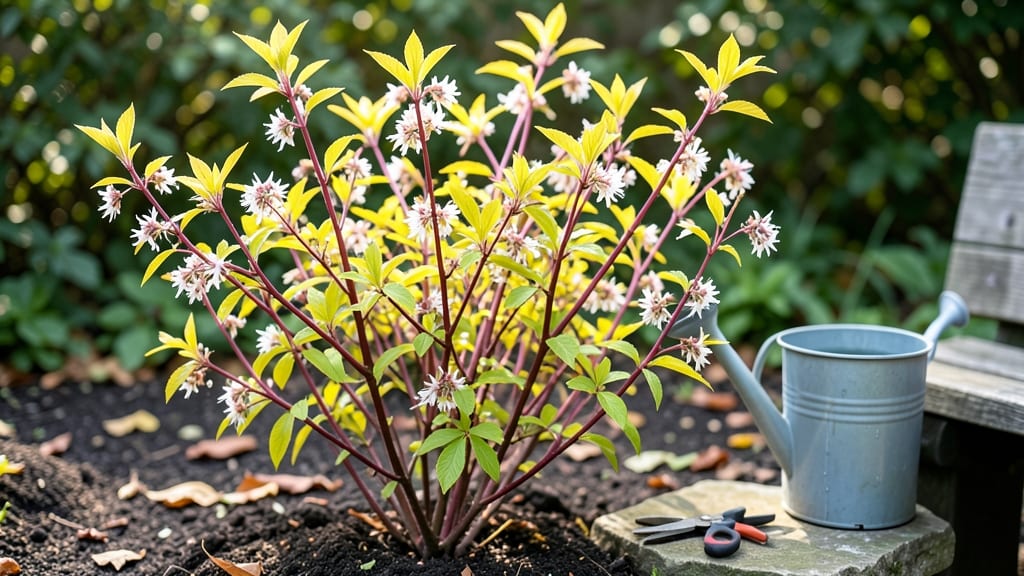
Spring’s boldest statement comes from bush red flowers that burst into color when most gardens are still waking up. 🌸 I remember the first time my azalea bloomed—it was like someone had painted the yard overnight, and every neighbor stopped to admire it.
These bushes aren’t just pretty; they’re the backbone of a showstopping spring display that keeps giving through summer.
The secret to their drama starts with timing: plant in early spring or fall when roots can establish before summer heat. Varieties like viburnum or rhododendron thrive in partial shade, while azaleas love morning sun.
Feed them in early spring with acid-loving fertilizer, and you’ll see buds swell within weeks. The payoff? Months of deep red blooms that attract hummingbirds and turn heads.
Once established, these bushes need minimal fuss—just a light pruning after flowering to shape them and remove dead wood. Mulch around the base to keep roots cool, and you’ll avoid the wilting that plagues overworked spring plants.
Picture your garden in May: vibrant red clusters against fresh green foliage, drawing everyone outside to linger and admire.
Perfect for borders, foundation plantings, or even container gardens on patios. With the right care, they’ll reward you for years, turning every spring into your most photographed season. Let’s get those roots in the ground!
📚 In This Guide
- What you need
- Instructions
- Tips and common mistakes
- Wrapping up and next steps
What you need
- ● Red flowering plants: Choose from azaleas, rhododendrons, camellias, or weigelas (ensure they’re spring-blooming varieties). 1-3 mature plants (or seeds/saplings for DIY growers).
- ● High-quality potting soil: 1 bag (18-24 lbs) with organic matter (e.g., peat moss or coconut coir).
- ● Well-draining pots or garden bed: For pots: 12-16" diameter containers (1 per plant) with drainage holes.
- ● For garden beds: Sunny, slightly acidic spot (pH 4.5-6.0) with 6+ hours of sunlight.
- ● Fertilizer: Slow-release granular fertilizer (e.g., 10-10-10 NPK ratio) or acid-loving plant food.
- ● Mulch: Pine bark or wood chips (3-4 inches) to retain moisture and acidity.
- ● Basic gardening tools: Trowel or hand shovel
- ● Pruning shears (for shaping)
- ● Gloves (to protect hands)
- ● Watering can or hose with nozzle: 1 gallon capacity for gentle watering.
- ○ Decorative elements (optional): Garden stakes or trellises (for climbing varieties)
- ● Pebbles or decorative rocks (for container gardens)
- ● Floral wire or ribbons (for arrangements)
- ● Seasonal care: Plant food booster (e.g., Epsom salt for magnesium) if leaves yellow.
How to select and plant striking red spring bush flowers
Here's my go-to approach for choosing and planting bold red blooms that steal the show.
🌱 Step 1: Choose the Right Red Spring Bloomers
Start with varieties proven to thrive in your climate zone. My top picks for vibrant red spring color include Knock Out® roses, hydrangeas, and azaleas—all of which handle seasonal transitions beautifully. Check your hardiness zone to match plants with your last frost date. I always verify bloom time on the tag since some red varieties flower earlier than others.
Look for healthy plants with firm stems and buds just beginning to swell. Avoid any with yellowing leaves or wilted blooms—these signs mean the plant is already stressed. The best red spring bloomers have compact growth habits that won't outgrow your space in one season.
☀️ Step 2: Prepare the Planting Site
Select a location that gets at least 6 hours of sunlight daily—most red spring bloomers need full sun to maintain their vivid color. Test the soil pH with a simple kit (reds like azaleas prefer acidic soil, pH 5.0-6.0, while roses thrive in neutral to slightly alkaline, pH 6.0-7.0). Amend the soil with 2-3 inches of compost mixed into the top 12 inches before planting.
Dig holes twice as wide as the root ball but only as deep. Loosen the roots gently if they're circling—this prevents transplant shock. I always water the hole thoroughly before planting to settle the soil and create a moisture reservoir for the roots.
🪴 Step 3: Plant with Proper Spacing
Follow the spacing guidelines on the plant tag—crowding leads to weak growth and fewer blooms. For most red spring bushes, 3-5 feet apart gives them room to mature without competing. Place the plant so the top of the root ball sits 1-2 inches below soil level—this encourages strong root growth.
Backfill with native soil mixed with a handful of slow-release fertilizer (like 10-10-10) to give the plant a nutrient boost. Water deeply right after planting to eliminate air pockets and help roots make contact with the soil. Mulch with 2-3 inches of organic mulch (like shredded bark) to retain moisture and regulate temperature.
💧 Step 4: Establish a Watering Routine
Water newly planted red bushes deeply once a week for the first month, then taper to every 10-14 days once established. The goal is to moisten the soil to a depth of 12-18 inches—check by inserting a screwdriver into the soil. Overwatering is the biggest mistake with spring bloomers, so always let the top 2 inches of soil dry out between waterings.
Mornings are the best time to water—this prevents fungal diseases that thrive in damp foliage overnight. You'll notice healthier growth and brighter red blooms when the plants get consistent moisture without soggy roots.
✂️ Step 5: Prune for Next Year's Blooms
After the first flush of red blooms fades, give your bushes a light pruning to shape them and encourage next spring's flowers. Remove any dead, diseased, or crossing branches first. For spring bloomers like azaleas, prune right after flowering—this prevents cutting off next year's buds.
Use clean, sharp pruners to make cuts at a 45-degree angle just above a leaf node. Don't cut back more than one-third of the plant in a single season. I always step back after pruning to check for balance—this ensures your red blooms will look their best next spring.
Tips & tricks for perfect red spring bush flowers
Real talk: The difference between a lackluster garden display and a showstopping spring showcase often comes down to these small but mighty details.
Location is Everything: That 6 hours of sunlight requirement in Step 2 isn't just arbitrary—it's the magic number for vibrant red blooms. Morning sun (6 AM-12 PM) is especially beneficial as it prevents afternoon heat stress. If your yard has limited sun, opt for Knock Out® roses—they're the most drought-tolerant of the red spring bloomers and can handle partial shade better than hydrangeas or azaleas.
Root Care Makes All the Difference: When loosening those circling roots in Step 2, I learned this the hard way: Don't overdo it! Just gently tease apart the roots with your fingers—you're not trying to create a root salad. The goal is to encourage outward growth, not damage the delicate root structure. After planting, I always do a "root check" by gently tugging on the plant—if it resists, the roots are making good contact with the soil.
Watering Wisdom: That 2-inch dry topsoil rule in Step 4 is crucial, but here's what nobody tells you—morning watering isn't just about timing, it's about technique. Use a soaker hose or drip irrigation to deliver water slowly at the base of the plant. This prevents water from splashing onto leaves (which spreads disease) and ensures the roots get properly hydrated without surface evaporation. I've seen red blooms fade dramatically when plants get surface watering instead of deep hydration.
Pruning Precision: The 45-degree angle cut in Step 5 isn't just for looks—it's about directing water away from the cut to prevent rot. When pruning, always make your cuts just above a leaf node (the bump where leaves grow out). This encourages new growth in the right direction. I keep a small notebook by my pruners to track which branches I've pruned each year—this helps me maintain that perfect balance over time.
Pro Tips for Bush Red Flowers Spring
- Real talk: The difference between a lackluster garden display and a showstopping spring showcase often comes down to these small but mighty details.
- Location is Everything: That 6 hours of sunlight requirement in Step 2 isn't just arbitrary—it's the magic number for vibrant red blooms.
- Root Care Makes All the Difference: When loosening those circling roots in Step 2, I learned this the hard way: Don't overdo it!
Frequently asked questions
Got questions about growing or enjoying bush red flowers in spring?
You’re not alone! Here are some of the most common queries—and their straightforward answers—to help you cultivate (or admire) these show-stopping blooms with confidence.
When is the best time to plant bush red flowers for spring blooms?
For most bush red flowers like Knock Out® roses or Weigela, plant them in early spring (after the last frost) or fall (6–8 weeks before the first frost). This gives roots time to establish before summer heat or winter dormancy. Pro tip: Check your USDA hardiness zone—some varieties (like Hydrangea macrophylla) thrive in cooler climates and may need fall planting.
Why aren’t my red bush flowers blooming this spring?
Several factors could be at play: over-pruning (cutting back too late in winter), poor sunlight (most need 6+ hours of sun), or nutrient deficiencies. Start by inspecting your plant’s leaves—yellowing suggests nitrogen needs, while sparse blooms might mean phosphorus. Solution: Feed with a balanced fertilizer (10-10-10) in early spring and avoid heavy pruning until after blooming season.
What are some low-maintenance red bush flowers for beginners?
If you’re new to gardening, try these hardy, fuss-free options:
- Knock Out® roses – Disease-resistant, reblooms all season, and thrives in partial shade.
- Butterfly Bush (Buddleia) – Drought-tolerant and attracts pollinators (just deadhead to encourage more blooms!).
- Abelia – Evergreen in warm zones, blooms spring to fall, and handles heat well.
Can I mix red bush flowers with other colors for a spring garden?
Red bush flowers pair beautifully with purples, whites, and soft pinks for a bold contrast. Try pairing red Knock Out roses with lavender catmint or white hydrangeas for a romantic look. For a modern vibe, combine them with silver foliage plants (like lamb’s ear) or chartreuse shrubs. Design tip: Group odd numbers of plants (3, 5, or 7) for natural balance.
Are red bush flowers good for pollinators like bees and butterflies?
Yes! Many red bush flowers are pollinator magnets, especially Butterfly Bush, Weigela, and Crapemyrtle. To maximize their benefits:
- Avoid pesticides—opt for neem oil or insecticidal soap if needed.
- Plant in clusters to create “pollinator highways.”
- Leave some seed heads or dead flowers (like Echinacea) for late-season food.
Wrapping up and next steps
Spring’s bush red flowers are more than just a splash of color—they’re nature’s way of turning even the dullest corners into vibrant, joyful spaces.
Whether you’re a gardening newbie or a seasoned green thumb, these blooms bring life, charm, and a touch of whimsy to your outdoor (or indoor!) oasis. 🌸
Ready to dive in? Start small—pick one or two red-flowering bushes to experiment with, or sketch a layout for your dream garden. The best time to plant is now, so grab those gloves and let your creativity bloom! 🌱
- Next step: Browse local nurseries or online seed shops for your favorites—then get planting!
- Pro tip: Share your progress with fellow plant lovers for extra motivation!