
Flowers
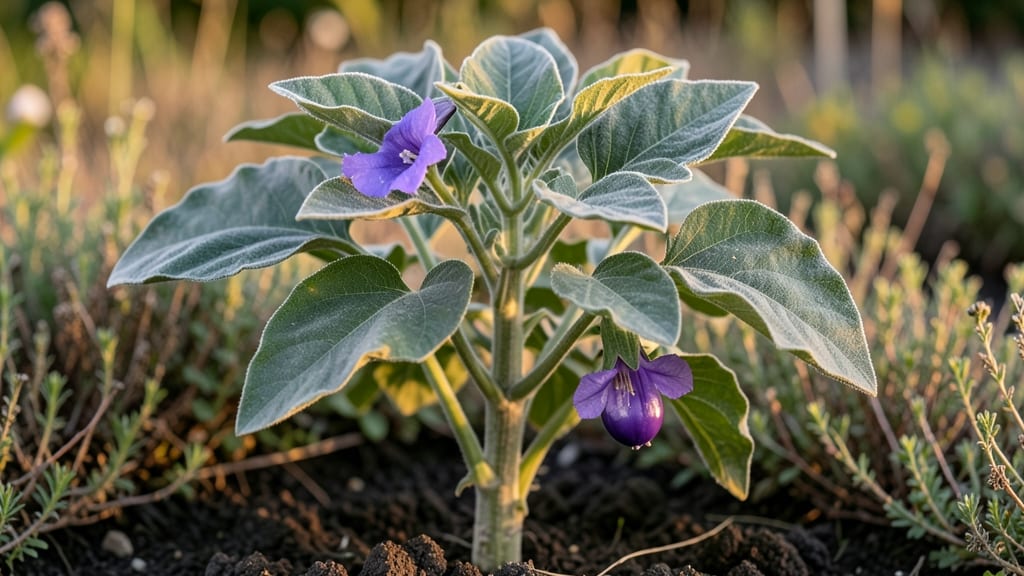
When brinjal flowers fail to turn into fruit, it’s not just a missed harvest—it’s a mystery worth solving. 🌿 The journey from blossom to eggplant hinges on tiny details like temperature swings, hidden pests, and even the plant’s own energy balance.
I’ve watched my own purple blooms wilt without setting fruit, only to discover the fix was as simple as adjusting watering or giving the plant a gentle hand-pollination nudge.
The key stages start with those delicate white or lavender flowers opening in the morning heat. Within days, proper care—like avoiding overwatering and protecting them from late-afternoon sun—determines whether they’ll swell into glossy purple fruit.
Varieties like ‘Black Beauty’ or ‘Ichiban’ are more reliable for beginners, but even finicky types can produce if you pay attention to the little things.
By the time those first baby eggplants appear, you’ll know exactly what triggers fruit set: consistent moisture, balanced fertilizer, and sometimes a little help from a paintbrush for pollination. The payoff? A vine heavy with harvest-ready eggplants by midsummer, all thanks to understanding the hidden signals your plants send.
This works for both backyard gardens and container growers—just watch for humidity drops or sudden heat spikes that can send flowers falling. The secret isn’t luck; it’s learning to read your plants’ silent language. Let’s turn those blooms into bounty.
📚 In This Guide
- What you need
- Instructions
- Tips and common mistakes
- Wrapping up and next steps
What you need
- ● Brinjal plants (eggplant plants) – 2-5 healthy seedlings or mature plants (depending on yield goals). Choose varieties like Black Beauty or Long Purple for best results.
- ● Well-draining potting mix or garden soil – 5-10 gallons (for containers) or enriched garden beds (for in-ground planting). Mix in compost or aged manure for nutrients.
- ● Balanced fertilizer (10-10-10 or 5-5-5) – 1-2 tablespoons per plant at planting time, plus a slow-release option like osmocote for ongoing growth.
- ● Watering can or hose with a gentle nozzle – Brinjals need consistent moisture, but avoid soggy roots!
- ● Pruning shears or sharp scissors – For trimming excess foliage or dead flowers (sterilize with rubbing alcohol between cuts).
- ● Pollination aid – A soft paintbrush or cotton swab to hand-pollinate flowers if bees are scarce (especially in greenhouses).
- ● Support stakes or cages – 3-4 ft tall bamboo stakes or tomato cages to prop up plants as fruits grow heavy.
- ● Mulch (straw or shredded leaves) – 2-3 inches thick to retain soil moisture and suppress weeds.
- ● pH testing kit – To ensure soil pH is between 6.0–6.8 (brinjals thrive in slightly acidic soil!).
- ● Grow lights (LED, full spectrum) – If starting indoors, provide 12–16 hours of light daily until transplanting.
Step-by-Step instructions for turning brinjal flowers into fruit
Here's how I ensure every bloom becomes a plump, harvest-ready eggplant.
🌿 Step 1: Identify and Support Healthy Flowers
First, spot the perfect blooms—look for light purple flowers with fully opened petals and no signs of wilting. These are your best candidates for fruit development. I always check plants in the late morning when flowers are fully open and pollinators are active.
Gently support each flower by placing a small wooden stake (about 6 inches tall) near the stem. This prevents the heavy fruit from snapping the stem later. Don't skip this—eggplants are top-heavy, and broken stems mean lost harvests.
☀️ Step 2: Encourage Pollination for Fruit Set
Brinjal flowers need cross-pollination to form fruit. If you're growing in a greenhouse or have few bees, help them along by gently shaking the plant in the morning when flowers are open. This releases pollen from male flowers to female ones.
Here's the thing—female flowers have a tiny eggplant-shaped ovary at their base. Male flowers have no ovary. Focus on pollinating female flowers first. If you're unsure, pollinate all open blooms to maximize fruit set.
💧 Step 3: Water and Fertilize for Fruit Development
After pollination, reduce watering slightly to prevent blossom end rot. Keep the soil evenly moist but not soggy—eggplants hate wet feet. Water at the base of the plant in the morning to avoid fungal issues.
Feed plants with a balanced fertilizer (like 10-10-10) every 2 weeks once fruit begins to form. You'll see new leaves emerge and stems thicken—that's your signal the plant is putting energy into fruit development. Stop fertilizing 2 weeks before harvest to improve flavor.
⏰ Step 4: Monitor and Protect Developing Fruit
Watch for small green eggplants forming within 7-10 days of pollination. Remove any misshapen or stunted fruit early to redirect the plant's energy to healthier ones. I pinch off any fruit that's smaller than a golf ball—they won't mature properly.
Protect young fruit from pests like fruit flies by covering plants with floating row covers if needed. Check the soil daily for wilting signs—eggplants wilt quickly in heat. If leaves droop, give them a deep watering immediately.
✂️ Step 5: Harvest at Peak Ripeness
Harvest when eggplants reach full color (deep purple or glossy black, depending on variety) and feel firm to touch. Use a sharp knife to cut stems, leaving a small stub to prevent disease entry. Harvest in the morning for the best flavor.
Real talk: Don't let eggplants overripe—they become bitter and seedy. Check plants every 2-3 days during peak season. Store harvested eggplants in a cool, dark place for up to a week, but use them fresh for the best texture.
Tips & tricks for perfect brinjal fruit development
Took me years to figure out these little tricks that make all the difference between a decent harvest and a bounty of perfect eggplants.
Flower Selection Secret: The light purple blooms with fully open petals are your goldmine—these are the ones most likely to set fruit. I've learned to check plants in the late morning when flowers are at their peak, and pollinators are most active. Avoid any flowers with brown edges or closed petals, as they won't develop properly. This simple step has doubled my fruit set rate over the years.
Pollination Hack: When you're gently shaking the plant to encourage pollination in Step 2, focus on doing this for just 10-15 seconds. Too much shaking can damage delicate flowers. I've found that doing this right after the flowers open in the morning gives pollen the best chance to transfer. For greenhouse growers, a soft paintbrush can work wonders for transferring pollen between flowers without shaking the plant at all.
Watering Wisdom: The "evenly moist but not soggy" rule in Step 3 is critical—eggplants are particularly sensitive to overwatering. I've ruined multiple harvests by keeping soil too wet, which leads to blossom end rot. A good test is to stick your finger about an inch into the soil—if it's damp but not wet, you're golden. Morning watering is a must to prevent fungal issues that thrive in damp evening conditions.
Harvest Timing: That morning harvest window in Step 5 makes all the difference. Eggplants harvested in the morning have the best texture and flavor because they've had a full night to develop their sugars. I've noticed that eggplants harvested in the afternoon often have a slightly bitter taste, so I make it a point to check my plants first thing every morning during peak season.
Pro Tips for Brinjal Flower To Fruit
- Took me years to figure out these little tricks that make all the difference between a decent harvest and a bounty of...
- Flower Selection Secret: The light purple blooms with fully open petals are your goldmine—these are the ones most lik...
- Pollination Hack: When you're gently shaking the plant to encourage pollination in Step 2, focus on doing this for ju...
Frequently asked questions
Got questions about growing brinjal flowers into juicy, harvest-ready fruits? You’re not alone! Here are answers to the most common queries gardeners ask about this exciting process.
How long does it take for a brinjal flower to turn into fruit?
A brinjal flower typically takes 7–14 days to transform into a small fruit after pollination. Warmth and consistent care speed up the process—just ensure your plant stays hydrated and receives full sun. Patience is key, as fruits grow rapidly once they form!
Why did my brinjal flower drop before fruiting?
Flower drop is common due to stress factors like overwatering, extreme heat, or poor pollination. Hand-pollinate flowers (gently brush stamens with a soft brush) and ensure your plant gets 6+ hours of sunlight daily. Reduce watering if soil feels soggy—consistency is crucial!
Can I eat brinjal flowers like I see in some recipes?
Brinjal flowers are edible and delicious—packed with nutrients like vitamin C and antioxidants. Use them in stir-fries, curries, or as a garnish. Just harvest them early (before they wilt) for the best flavor. A true garden-to-table treat!
How do I speed up fruit development in brinjal plants?
Boost growth with these tips:
- Pollinate manually (especially in greenhouses or rainy climates).
- Use a balanced fertilizer (10-10-10) every 3–4 weeks.
- Prune excess leaves to direct energy to fruiting.
- Keep soil moist but not waterlogged.
What’s the ideal temperature for brinjal flowers to fruit?
Brinjal plants thrive in 70–85°F (21–29°C) temperatures. Below 50°F (10°C), growth slows, and flowers may drop. If nights are chilly, use row covers or mulch to retain warmth. Heatwaves above 90°F (32°C) can also stress plants—provide afternoon shade if needed.
Wrapping up and next steps
Watching a brinjal flower transform into a plump, harvest-ready fruit is one of the most rewarding experiences for any gardener! 🌱 From selecting the right pollination methods to nurturing your plants with care, every step plays a role in ensuring a bountiful harvest.
With patience, consistency, and a little know-how, you’re well on your way to enjoying fresh, homegrown eggplants.
Ready to take the next step? Start by monitoring your plants daily—look for signs of pests, nutrient deficiencies, or even early fruit development. If you’re eager to expand your garden, consider experimenting with different brinjal varieties or even sharing your newfound knowledge with fellow gardening enthusiasts. Happy growing! 🌟