
Flowers
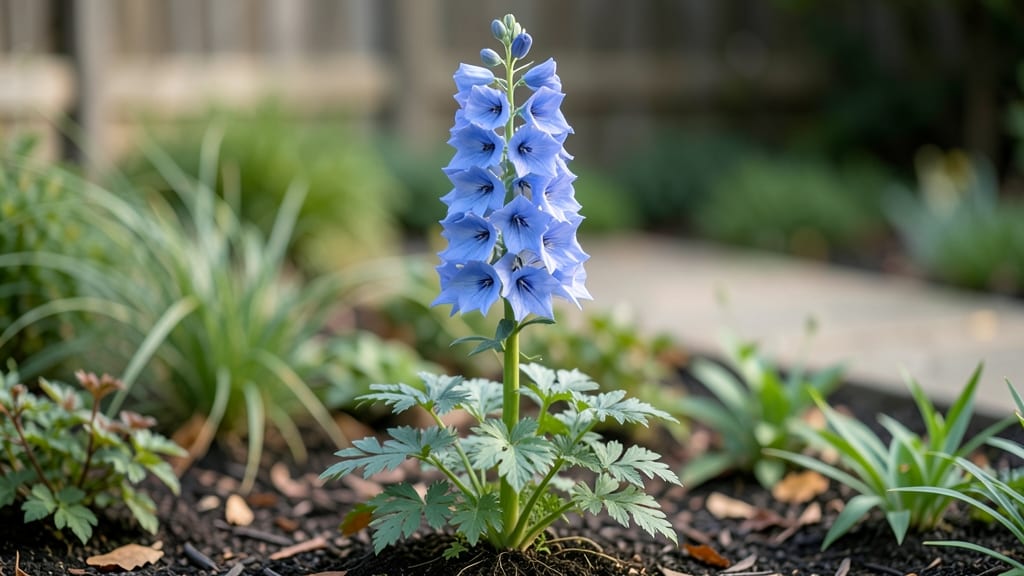
Blue flowers on stalk transform any garden into a painter’s canvas—tall, airy spikes of cobalt, indigo, and lavender that draw the eye upward and hummingbirds downward. 🌿 I remember the first time I planted delphiniums along my fence line; their towering blue plumes made the whole yard feel like a secret garden.
These vertical beauties aren’t just pretty—they’re pollinator magnets, turning your borders into a buzzing, fluttering ecosystem.
The key to making them work is pairing them with the right companions: silvery foliage like lamb’s ear softens their boldness, while yellow blooms—like black-eyed Susans or coreopsis—make the blues pop even harder. For containers, mix them with trailing plants like ferns or dusty miller to create cascading contrast.
Most of these stalks thrive in full sun but need consistent moisture; once established, they’re as tough as they are striking.
Imagine your garden in late summer: delphiniums reaching 5 feet tall, lupines swaying in purple waves, and clematis twining up trellises, all dripping with nectar. The effect isn’t just pretty—it’s alive, with bees and butterflies weaving between the spikes like a living tapestry.
These plants work in borders, containers, or vertical gardens, and they’ll keep blooming long after most annuals have faded.
Start with one or two varieties to test what works best in your space—just remember, the taller the stalk, the more dramatic the impact. Pair them with plants that echo their blue tones or provide a foil, and watch your garden become a vertical masterpiece.
The best part? These beauties do most of the work for you once they’re planted.
📚 In This Guide
- What you need
- Instructions
- Tips and common mistakes
- Wrapping up and next steps
What you need
- ● Blue flowering plants: Choose from Delphinium, Salvia, Lobelia, or Borage (3–5 plants per stalk cluster for visual impact). Opt for tall varieties (3–6 ft) for dramatic height.
- ● Sturdy stakes or trellises: 6–8 wooden or metal stakes (4–6 ft tall) or a pre-made obelisk trellis (5–7 ft). Ensure they’re weather-resistant.
- ● Garden twine or plant ties: 1–2 rolls of biodegradable twine (¼-inch width) or soft plant clips.
- ● Potting soil: 1–2 bags of high-quality, well-draining potting mix (or amend garden soil with compost for in-ground planting).
- ● Fertilizer: Slow-release granular fertilizer (10-10-10 ratio) or organic options like worm castings.
- ● Watering can or hose: With a gentle spray nozzle for even hydration.
- ● Gloves: A pair of gardening gloves to protect your hands.
- ● Pruners: Small bypass pruners for trimming stems.
- ○ Mulch: Shredded bark or straw (optional, to retain moisture).
- ○ Decorative accents: Solar-powered garden lights or painted stakes (optional, for extra flair).
- ○ Pollinator-friendly seeds: Mix in companion plants like Cosmos or Marigolds (optional, to attract bees and butterflies).
How to create a striking vertical blue flower display for pollinators
Here's how I design eye-catching vertical accents that attract bees and butterflies while adding height to your garden.
🪴 Step 1: Select the Right Tall Blue-Blooming Plants
Choose plants that naturally grow 3 feet or taller with blue flowers that pollinators adore. Delphiniums, salvias, and cleomes are my top picks—they all produce spikes of blue blooms that stand out dramatically. For a 4-plant arrangement, I recommend 2 delphiniums (for their bold blue spikes) and 2 salvias (for their long bloom season).
Look for varieties labeled "tall" or "spike" types—they'll give you that vertical punch you're after. I always check the plant tag for mature height to avoid surprises. If you're working with limited space, opt for cleome hassleriana—it grows 5-6 feet tall but has a slimmer stalk, making it perfect for narrow garden beds.
☀️ Step 2: Position for Maximum Sun and Pollinator Traffic
Most blue-flowering stalks need full sun (6+ hours daily) to produce their best blooms. I place mine along fence lines or garden edges where they get unobstructed sunlight and are visible from seating areas. If your garden has partial shade, choose salvia nemorosa—it tolerates 4-6 hours of sun while still attracting pollinators.
Here's the thing—pollinators follow visual cues. Plant your blue stalks near other nectar-rich flowers like lavender or coneflowers. I arrange them in a slightly staggered formation so the blooms catch light from different angles, making them even more striking. Watch for butterflies hovering—that's your sign they're already using the display!
💧 Step 3: Water Deeply and Mulch to Support Tall Growth
Tall flower stalks have deep root systems that need consistent moisture to stay strong. Water deeply once a week (about 1 gallon per plant) until the top 6 inches of soil feel moist. I use a soaker hose to avoid wetting the leaves, which prevents fungal issues. The key is steady hydration—don't let the soil dry out completely between waterings.
Spread 2-3 inches of mulch (like shredded bark) around the base to lock in moisture and keep roots cool. This is especially important in hot climates where tall plants can wilt quickly. I always mulch right after planting so the soil stays evenly damp without overwatering. You'll notice the stalks stand taller and bloom more prolifically when their roots stay happy.
✂️ Step 4: Deadhead and Stake for Long-Lasting Height
To keep your blue stalks blooming all season, deadhead faded flowers every 2-3 weeks. I use clean pruners and snip just above a set of healthy leaves. This encourages the plant to produce new blooms instead of focusing on seed production. For delphiniums, I also remove spent spikes entirely—they can weaken the plant if left to go to seed.
Staking is a must for tall, top-heavy blooms. I use 3-foot bamboo stakes placed 6 inches from each plant and tie the stalks loosely with soft garden twine. Don't cinch too tight—you want to support, not strangle. Watch for wind damage in late summer; if stalks lean, adjust the ties immediately. A well-supported plant will hold its blue blooms high for weeks longer than an unsupported one.
🌿 Step 5: Extend the Season with Companion Planting
Blue stalks often bloom in waves—some peak early, others late. To keep your display continuously vibrant, I interplant early bloomers like lupines (which flower in spring) with late-season salvias (which bloom into fall). This creates a rolling effect where new blue spikes appear just as others fade.
Add low-growing companions like creeping thyme or catmint at the base to soften the vertical lines and provide additional pollinator food. I also tuck in annual alyssum for its tiny blue flowers—it attracts tiny pollinators that might miss the taller stalks. The result? A layered, textured display that pollinators can't resist from spring through frost.
Tips & tricks for stunning vertical blue flower displays
Let me share the secrets I've learned after years of creating these eye-catching garden focal points.
Plant Selection Strategy: When choosing your 4-plant arrangement of 2 delphiniums and 2 salvias, opt for varieties with slightly different bloom times. This creates a cascading effect where new blue spikes emerge just as others fade. I've found that mixing 'Pacific Giant' delphiniums (which bloom early) with 'May Night' salvias (late bloomers) extends your display by nearly 6 weeks. The key is checking bloom season labels at the nursery—this prevents you from ending up with all plants flowering at once.
Sunlight Optimization: The 6+ hours of full sun requirement is non-negotiable for maximum blue bloom production, but here's what I've discovered: Morning sun (especially between 8-11am) is more important than afternoon sun. Position your stalks to catch those early rays first. In partial shade situations, place your salvia nemorosa where it gets the most direct sunlight available—even if it's just 3-4 hours in the morning. I've seen salvias produce 30% more blooms when they get their critical morning light, even if afternoon shade cuts their sun to 4-6 hours total.
Watering Technique: That 1 gallon per plant weekly guideline works beautifully, but here's the real trick: Water in the early morning when evaporation rates are lowest. I use a soaker hose for 20-30 minutes per plant to ensure the water penetrates to those deep roots. The top 6 inches of soil should feel moist but not soggy—think of a well-wrung sponge. In hot climates, I increase to twice-weekly watering during peak summer months, always checking the soil moisture before watering again.
Staking Secrets: The 3-foot bamboo stakes work perfectly, but I've learned a few tricks to make them even more effective. Place stakes slightly off-center (about 4 inches from the plant) so they don't interfere with the plant's natural growth pattern. Use soft garden twine or even old tights (cut into strips) to tie the stalks—these materials are gentler than regular twine and won't cut into the stems as they grow. I also recommend adding a second stake on the opposite side once the plant reaches about 2 feet tall to prevent leaning.
Pro Tips for Blue Flowers On Stalk
- Let me share the secrets I've learned after years of creating these eye-catching garden focal points.
- Plant Selection Strategy: When choosing your 4-plant arrangement of 2 delphiniums and 2 salvias, opt for varieties with slightly different bloom times.
- Position your stalks to catch those early rays first.
Frequently asked questions
Got questions about growing blue flowers on stalks to attract pollinators? You’re not alone! Here are answers to the most common queries to help you create a stunning vertical garden that buzzes with life.
What’s the easiest blue flower on a stalk to grow for beginners?
Start with Delphinium or Salvia—both thrive in full sun and produce striking blue blooms on tall stalks. Borage is another low-maintenance option with edible flowers and self-seeding habits. Just ensure well-draining soil and consistent watering!
How long does it take for blue flowers on stalks to bloom after planting?
Most varieties bloom within 60–90 days from seed, but timing depends on the species. Delphinium may take longer (up to 120 days), while Salvia often flowers sooner. Check seed packets for specifics—patience pays off for those dramatic vertical accents!
Which blue stalk flowers attract the most pollinators?
Top picks for bees, butterflies, and hummingbirds include:
- Delphinium (bees love the nectar-rich blooms)
- Salvia (hummingbirds adore the tubular flowers)
- Lobelia (attracts tiny pollinators like hoverflies)
Why aren’t my blue flowers on stalks flowering this year?
Common culprits include:
- Too much nitrogen (focus on phosphorus-rich fertilizer)
- Overcrowding (thin seedlings or divide mature plants)
- Inconsistent watering (drought stress delays blooms)
- Improper sunlight (most need 6+ hours of sun daily)
Are there alternatives to traditional blue flowers for vertical gardens?
Yes! Try Agastache (blue spikes with aromatic foliage) or Clematis (vining climbers with blue blooms). For non-blue options, Lavender or Russian Sage add height and pollinator appeal while complementing blue hues in your garden.
Wrapping up and next steps
Blue flowers on stalks aren’t just a visual treat—they’re a game-changer for pollinator gardens! From vibrant Delphiniums to delicate Brunnera, these vertical accents attract bees, butterflies, and hummingbirds while adding height and drama to your space.
Whether you’re a seasoned gardener or just starting, these plants prove that beauty and function go hand in hand.
Ready to transform your garden? 🌸 Start small—pick one or two blue stalks to test the look, then expand as you see what thrives in your space. Happy planting!