Flowers
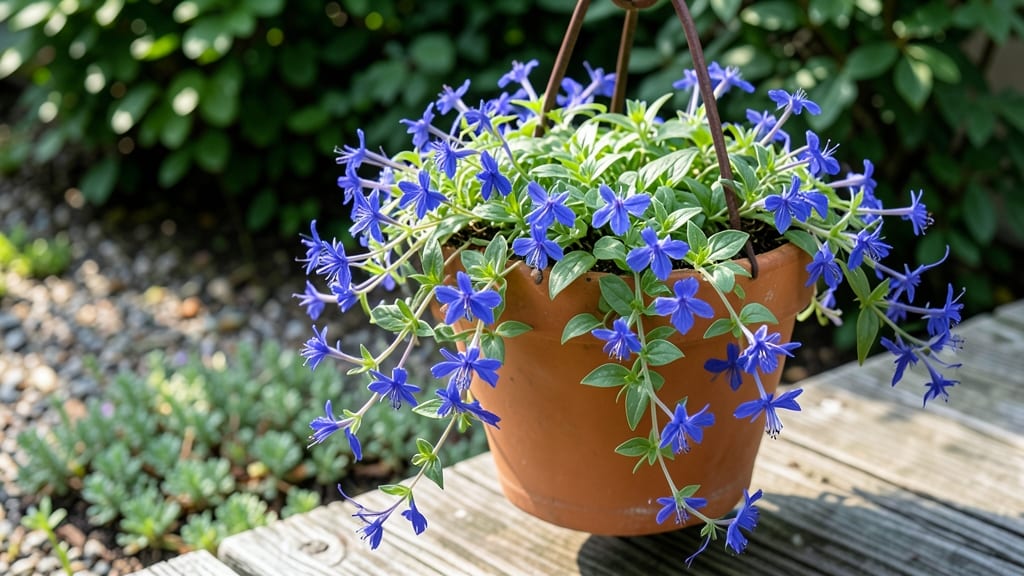
Growing the Blue Enchantment flower in containers is like having a sky-blue waterfall in your hands—it thrives where most dwarf shrubs would struggle. ✨ This compact beauty, with its velvety foliage and cascading blooms, turns even small balconies into enchanting displays, but it demands the right balance of sunlight, soil, and patience to keep it lush.
The secret to its success lies in well-draining soil mixed with organic matter—think one-third peat or coconut coir, one-third perlite, and one-third compost—to mimic its native woodland edges.
A 12- to 15-inch pot gives its roots room to breathe, while a morning sun, afternoon shade spot keeps the foliage vibrant without scorching. Overwatering is the quickest way to kill it, so let the top inch of soil dry between drinks.
By mid-summer, you’ll be rewarded with clusters of tiny blue flowers that perfume the air, and the plant will stay compact enough to spill beautifully over container edges. Prune lightly after blooming to encourage fuller growth, and watch as it becomes the standout star of your patio or deck.
The key? Consistency—this isn’t a "set it and forget it" plant, but the payoff is worth every drop of attention.
Works just as well in hanging baskets as upright containers, and even thrives in partial shade if you live in a hot climate. Once you’ve mastered the basics, experiment with companion plants like ferns or creeping thyme to create a miniature woodland scene. Let’s get those roots settled!
📚 In This Guide
- What you need
- Instructions
- Tips and common mistakes
- Wrapping up and next steps
What you need
- ● Dwarf Blue Enchantment Flower (Agastache 'Blue Enchantment') – 1 healthy plant (check for vibrant blue-purple blooms and sturdy stems).
- ● Container – 12"–14" pot with drainage holes (terracotta or fabric pots work best).
- ● Well-draining potting mix – 3–4 gallons of a blend designed for herbs/perennials (e.g., 60% peat moss, 30% perlite, 10% compost).
- ● Slow-release fertilizer – 1–2 tbsp (5–10g) of 10-10-10 or organic granular fertilizer.
- ● Watering can or hose with a gentle spray nozzle – For even moisture without over-saturating.
- ● Pruning shears – Sharp, clean pair for trimming spent blooms and shaping.
- ● Mulch – 1–2 inches of organic mulch (e.g., shredded bark) to retain moisture and suppress weeds.
- ● Epsom salt – 1 tsp (5g) monthly for magnesium boost (especially in clay-heavy soils).
- ● Container saucer or tray – To catch excess water and protect surfaces.
- ● Stakes or decorative supports – If your plant grows taller than 24" (though dwarfs typically stay compact!).
- ● Liquid seaweed fertilizer – 1 tbsp (15mL) diluted in water for a nutrient kick during blooming season.
Step-by-Step instructions for cultivating Blue Enchantment Flower in containers
Here's how to coax those striking blue blooms to thrive in compact spaces.
🌱 Step 1: Select the Perfect Container and Drainage
Choose a container with at least 12-inch diameter and drainage holes—Blue Enchantment needs room for its dwarf canopy habit but hates soggy roots. I prefer unglazed terra cotta because it breathes and prevents root rot, especially in humid conditions. If your pot lacks drainage, drill 2-3 additional holes along the bottom edge.
Place a 2-inch layer of gravel or perlite at the bottom before adding soil. This creates an air pocket that prevents waterlogging while allowing excess moisture to escape. The reason we do this? Blue Enchantment's roots are delicate—standing water for more than 24 hours will trigger fungal issues that stunt growth.
🌿 Step 2: Prepare Well-Draining Soil Mix
Use a lightweight potting mix blended with 20% perlite or coarse sand—this prevents compaction that suffocates roots. I like to add 1 part compost to improve fertility without weighing down the mix. Fill the container to 1 inch below the rim, leaving room for watering.
Press the soil down gently but firmly—you want it settled enough to support the plant but loose enough for roots to penetrate. Tap the container on the table 3-4 times to eliminate air pockets. The soil should hold together when squeezed but crumble easily with light pressure. This texture mimics its native woodland conditions.
☀️ Step 3: Plant and Position for Optimal Light
Gently remove the Blue Enchantment from its nursery pot and loosen the root ball at the edges. Place it in the center of your container, ensuring the top of the root ball sits ½ inch below the soil line. Fill around the roots with your prepared mix, pressing lightly to eliminate gaps.
Position your container in partial shade—morning sun with afternoon shade is ideal. Blue Enchantment tolerates 4-6 hours of direct sunlight but will scorch in hot afternoon rays. If you notice leaves turning yellow with brown edges, it's getting too much sun. Move it to a spot with dappled light instead.
💧 Step 4: Water and Maintain Consistent Moisture
Water deeply until it drains from the bottom, then empty the saucer to prevent root rot. The soil should feel evenly moist but not soggy—stick your finger 1 inch deep. If it feels dry, water again. Overwatering is the #1 killer of container-grown Blue Enchantment.
Here's the thing—this plant hates inconsistent moisture. Let the top ½ inch of soil dry out between waterings, but never let it stay bone-dry for more than 3 days. During hot spells, you may need to water every 2 days. Watch for wilting leaves—that's your signal to water immediately.
✂️ Step 5: Prune and Encourage Bushy Growth
After the first flush of blooms, trim spent flowers just above the next set of leaves. This redirects energy into new growth rather than seed production. Use clean, sharp scissors to make 45-degree cuts—this prevents water from pooling on the stem, which invites disease.
If your plant looks leggy, pinch back the tips of the longest stems. This forces the plant to branch out, creating that lush, dwarf canopy it's known for. Do this 2-3 times during the growing season, and you'll see fuller growth within 4-6 weeks. Just don't cut more than ⅓ of the plant at once—it stresses the roots.
Tips & tricks for perfect Blue Enchantment Flower care
These pro tips will help you avoid common pitfalls and keep your Blue Enchantment thriving in containers.
Drainage is Non-Negotiable: That 2-inch gravel layer in Step 1 isn't just about aesthetics—it's your first line of defense against fungal rot. If you're using a decorative pot without drainage, consider nesting it inside a cache pot with drainage holes. I've seen Blue Enchantment plants saved this way when people repurposed ornamental pots. The key is maintaining that air pocket at the bottom, even if it means hiding the drainage solution.
Soil Texture Matters More Than You Think: When pressing the soil in Step 2, aim for the consistency of a damp sponge—not packed like wet sand, not loose like flour. The 3-4 taps on the table eliminate air pockets that would otherwise create dry spots where roots can't penetrate. I learned this the hard way when my first plant developed root rot in pockets of compacted soil despite proper drainage.
Light Positioning Secrets: The 4-6 hours of morning sun recommendation is ideal, but watch for seasonal shifts. In summer, move your container slightly eastward as the sun arcs higher in the sky. I use a small chalk marker to trace the plant's shadow at midday—if it extends beyond the container's edge, you're getting too much direct sun. Yellowing leaves with crispy edges are your warning sign to adjust immediately.
Watering Precision: That ½-inch soil dryness guideline in Step 4 requires a light touch. Use a moisture meter for accuracy—aim for 40-50% moisture at 1-inch depth. I've found that container-grown Blue Enchantment actually prefers slightly drier conditions than ground-planted varieties. The wilting leaves signal comes late, so check soil moisture before relying on visual cues, especially during humid weather when evaporation slows.
Pro Tips for Blue Enchantment Flower
- These pro tips will help you avoid common pitfalls and keep your Blue Enchantment thriving in containers.
- Drainage is Non-Negotiable: That 2-inch gravel layer in Step 1 isn't just about aesthetics—it's your first line of de...
- Soil Texture Matters More Than You Think: When pressing the soil in Step 2, aim for the consistency of a damp sponge—...
Frequently asked questions
What’s the best soil mix for Blue Enchantment in containers?
Use a well-draining potting mix with added perlite or sand (30% mix) to prevent root rot. A blend of peat moss, coco coir, and compost (50-50-20 ratio) works wonders. Avoid heavy garden soil—it can suffocate roots in containers!
How often should I water my Blue Enchantment Flower?
Water when the top 1–2 inches of soil feel dry (about once a week in summer, less in winter). Containers dry out faster, so check soil moisture regularly. Overwatering is the #1 killer—always ensure pots have drainage holes!
Does Blue Enchantment need full sun, or can it tolerate shade?
It thrives in partial shade to morning sun (3–6 hours of light daily). Too much direct afternoon sun can scorch its delicate blooms. In hot climates, dappled shade (like under trees) is ideal.
How do I prune Blue Enchantment to encourage more flowers?
Trim spent blooms and leggy stems after flowering to redirect energy. Cut back by ⅓ in early spring to shape the plant. Avoid heavy pruning in fall—it can stress the dwarf variety.
What pests should I watch for, and how do I treat them?
Common pests include aphids, spider mites, and whiteflies. Spray with neem oil or insecticidal soap for mild infestations. For severe cases, introduce ladybugs or use systemic granules. Check undersides of leaves regularly!
Wrapping up and next steps
The Blue Enchantment Flower is a stunning dwarf canopy gem that thrives in containers with the right care—think sunlight, well-draining soil, and patience. Whether you're a beginner or a seasoned gardener, its vibrant blooms and compact size make it a rewarding addition to patios, balconies, or windowsills. 🌿✨
Now that you’re armed with the essentials, why not give it a try? Start small with a single pot, experiment with companion plants, and enjoy the magic of nurturing this enchanting beauty. Happy gardening!