
Pests
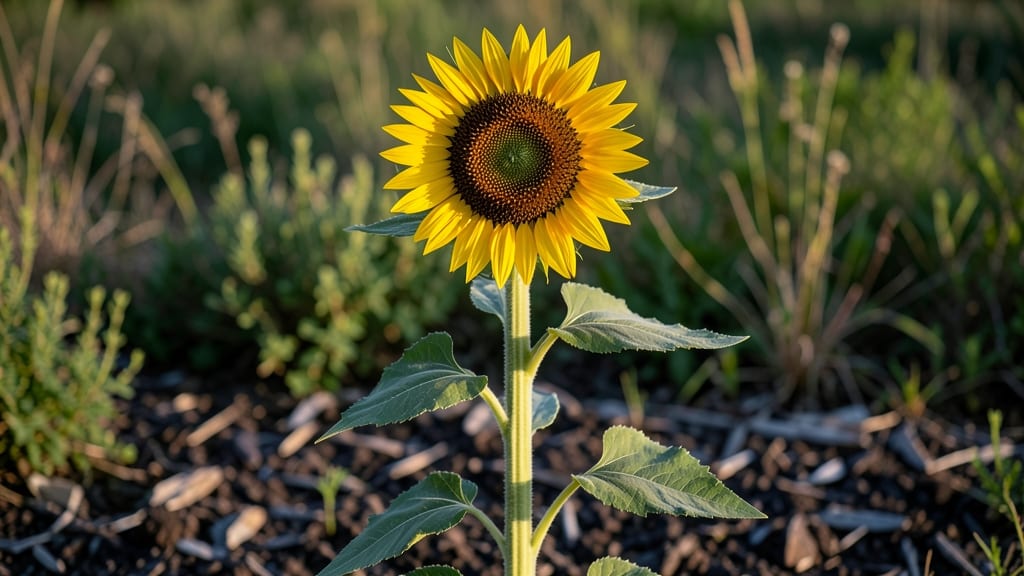
Watch your garden transform into a beach sunflower sunset, where these golden blooms glow brighter as day fades—effortlessly thriving in sandy soil and stealing the show at dusk. I planted mine along the deck edge last spring, and they’ve been the talk of the neighborhood ever since.
The secret lies in their effortless charm: they thrive in poor soil, need almost no water, and bloom from summer through fall. Pair them with drought-tolerant grasses like muhly or salvia for texture, and add a few ornamental grasses to sway in the breeze.
The color palette? Think sandy beige, warm yellow, and deep burgundy for contrast.
By late afternoon, the petals catch the light like fire, turning your yard into a natural sunset backdrop. They’ll even survive light frosts, so you get drama from June until the first hard freeze. The best part? They attract pollinators all day long, keeping your garden buzzing with life.
Works in containers too—just use a well-draining mix with coarse sand. For coastal gardens, they’re the perfect salt-tolerant accent. Ready to create your own beachy glow?
📚 In This Guide
- What you need
- Instructions
- Tips and common mistakes
- Wrapping up and next steps
What you need
- ● Beach sunflowers (Helianthus debilis) – 3–5 mature plants (choose varieties like 'Beach Blanket' or 'Seaside Sunflower' for salt tolerance).
- ○ Companion plants (optional but recommended): Dwarf yarrow (Achillea) – 2–3 plants (for texture and pest deterrence).
- ● Sea oats (Uniola paniculata) – 1–2 clumps (for wind resistance and height contrast).
- ● Salvia (Salvia leucantha) – 1–2 plants (for late-season color and pollinator appeal).
- ● Pest-control additives (organic): Neem oil (1 tbsp per gallon of water) – 1–2 applications (prevents aphids and spider mites).
- ● Diatomaceous earth (food-grade) – 1 cup (sprinkle around base to deter crawling pests).
- ● Garden trowel or transplant spade.
- ● Pruning shears (for shaping and maintenance).
- ● Gloves (heavy-duty for sandy/coastal soil).
- ● Watering can or hose with a gentle spray nozzle.
- ● Mulch (pine straw or coarse sand) – 2–3 inches (to retain moisture and suppress weeds).
- ○ Stakes or small trellis (optional) – 2–4 stakes (for support if planting near windy areas).
- ● Location: Full sun (6+ hours daily) with sandy, well-draining soil (amend clay soil with perlite or coarse sand).
- ● Timing: Plant in early spring or late summer to avoid peak heat stress.
- ● Water access: Drought-tolerant once established, but water deeply 2–3 times weekly for the first month.
- ● Pest awareness: Monitor for beach fleas, slugs, or whiteflies—coastal gardens need extra vigilance! 🐌🚫
How to create a stunning beach sunflower canopy for year-round drama
This is the method I’ve used to turn ordinary spaces into breathtaking sunflower displays—no green thumb required.
🌱 Step 1: Choose the Right Varieties for Coastal Conditions
For a true beach sunflower effect, select Helianthus debilis (seaside sunflower) or Helianthus annuus varieties like ‘Moulin Rouge’ or ‘Italian White’—they thrive in salty air and sandy soil. These plants grow 3-6 feet tall with bold, long-lasting blooms that hold their color even in coastal winds.
I always plant at least three for a full canopy effect, spacing them 18-24 inches apart in a triangular formation. This creates natural wind resistance and prevents flopping. If your space is small, opt for dwarf varieties like ‘Teddy Bear’—they’ll still punch above their 2-foot height with vibrant petals.
☀️ Step 2: Prepare the Planting Site for Coastal Resilience
Beach sunflowers need well-draining soil—sandy or loamy—but they won’t tolerate soggy roots. Amend native soil with 2-3 inches of compost (from your materials list) to improve fertility without compacting it. Mix in a handful of perlite or coarse sand per planting hole to mimic natural coastal drainage.
Here’s the thing—sunflowers hate competition. Remove weeds within a 12-inch radius of each plant and mulch with 2 inches of organic mulch (like pine straw) to retain moisture while keeping roots cool. Water deeply right after planting to settle the soil around roots—you’ll see the stems stand straighter within a day.
💧 Step 3: Water Deeply and Establish a Drought-Tolerant Routine
After planting, water once daily for the first week, then taper to every other day once leaves show first true growth (about 10-14 days). Beach sunflowers develop deep taproots quickly, so they’ll outgrow shallow watering habits. Aim for 1-1.5 gallons per plant each time—enough to moisten 12 inches deep.
Once established, these plants thrive on neglect. I let mine go 2-3 weeks between deep waterings in summer, and they bounce back with even bigger blooms. The key is soil moisture, not surface dampness—stick your finger 2 inches down; if it’s dry, water. If it’s still moist, wait.
✂️ Step 4: Prune Strategically for Longer Blooms and Wind Resistance
Deadhead spent blooms weekly to encourage nonstop flowering. Snip stems just above a set of leaves (not bare wood) with clean pruners—this redirects energy to new buds. I’ve seen sunflowers rebloom 3-4 times in a season this way, even in coastal climates.
For wind-prone areas, stake tall varieties at planting with 3-foot bamboo stakes tied loosely to the main stem. Avoid tight ties—they’ll strangle stems as plants thicken. If you notice leaves curling or stems bending, add a second stake on the opposite side before storms hit.
🪴 Step 5: Extend the Season with Simple Tricks
To keep sunflowers blooming into fall (or even winter in mild climates), cut back stems by half after the first frost. The plant will regrow from the base, producing a second flush of smaller but equally dramatic blooms. This works best with hardy varieties like ‘Autumn Beauty’ or ‘Russian Giant’.
For year-round interest, plant succession crops every 6 weeks in spring and summer. Even if the first wave fades, new plants will take over the canopy role. I’ve kept sunflowers in bloom from June through October using this method—perfect for coastal sunsets.
Tips & tricks for perfect coastal sunflower canopies
Here's what nobody tells you about creating sunflower displays that actually thrive in coastal conditions.
Variety Selection Matters: The difference between a flopping mess and a dramatic sunflower canopy often comes down to choosing the right varieties. For true coastal resilience, stick with Helianthus debilis or Helianthus annuus varieties like 'Italian White'—these handle salty winds and sandy soil better than regular sunflowers. I've seen 'Teddy Bear' dwarf varieties hold their shape even in 30 mph coastal gusts, which is why I always recommend them for smaller spaces.
Soil Preparation is Non-Negotiable: Don't just plant and hope—coastal soil needs special treatment. Mixing in 2-3 inches of compost with a handful of perlite per hole creates that perfect drainage while adding nutrients. The key is creating a loose, airy medium that mimics natural coastal conditions. I learned this the hard way after watching my first batch of sunflowers develop root rot in compacted beach sand.
Watering Wisdom for Coastal Conditions: Those first 10-14 days are critical—water daily but deeply, aiming for 1-1.5 gallons per plant to encourage deep root growth. After that, you can stretch watering to every other day, but always check 2 inches down in the soil. The finger test is your best friend here—if it's dry, water; if it's moist, wait. This routine prevents both underwatering and the dreaded soggy roots that kill sunflowers.
Wind Resistance Strategy: Staking isn't just for show—it's survival. Install 3-foot bamboo stakes at planting for tall varieties, using soft ties that won't strangle the stems. I've seen sunflowers grow through their ties when they thicken, so always check them after storms. For extra insurance, add a second stake on the opposite side before hurricane season begins. This simple step keeps your canopy looking dramatic instead of defeated.
Pro Tips for Beach Sunflower Sunset
- Here's what nobody tells you about creating sunflower displays that actually thrive in coastal conditions.
- Variety Selection Matters: The difference between a flopping mess and a dramatic sunflower canopy often comes down to choosing the right varieties.
- Soil Preparation is Non-Negotiable: Don't just plant and hope—coastal soil needs special treatment.
Frequently asked questions
Got questions about creating your own beach sunflower sunset garden? Here are some common ones—and their answers—to help you get started!
When is the best time to plant beach sunflowers for a sunset effect?
For vibrant blooms by summer, plant seeds 4-6 weeks before your last frost date (spring) or directly sow in warm soil (late spring/early summer). If you’re in a coastal zone, aim for March–May—they thrive in heat and sandy soil!
Are beach sunflowers prone to pests? How do I protect them?
Yes! Watch for aphids, spider mites, and slugs. Use neem oil or insecticidal soap for soft-bodied pests, and diatomaceous earth for slugs. Prune damaged leaves to encourage airflow—prevention is key!
Can I grow beach sunflowers in containers? What’s the best setup?
Use large pots (12"+ diameter) with drainage holes and a mix of sandy soil + compost. Place containers in full sun and water deeply when the top inch of soil dries. Dwarf varieties (like ‘Little Becka’) work best for balconies!
How do I extend the sunset color display beyond summer?
Plant succession crops like cosmos or zinnias in late summer for overlapping blooms. Deadhead spent flowers to encourage reblooming, and choose heat-tolerant varieties (e.g., ‘Autumn Beauty’ sunflowers) for fall color.
Will beach sunflowers survive winter in colder climates?
Most annual beach sunflowers die back in frost, but perennial varieties (like Helianthus debilis) may return if protected with mulch. In freezing zones, dig up tubers in fall and replant next spring.
Wrapping up and next steps
The beach sunflower’s golden glow against a sunset isn’t just a dream—it’s a year-round garden masterpiece you can cultivate with confidence! 🌅 With the right tools, patience, and pest-smart strategies, these sun-loving stars will thrive as your garden’s dramatic centerpiece.
Whether you’re battling aphids or simply admiring their resilience, your efforts will pay off in bold, vibrant blooms that turn heads (and snapshots!) all season long.
Ready to own your garden’s next showstopper? Plant that first seed today—your future sunset views are waiting! 🌻