
Flowers
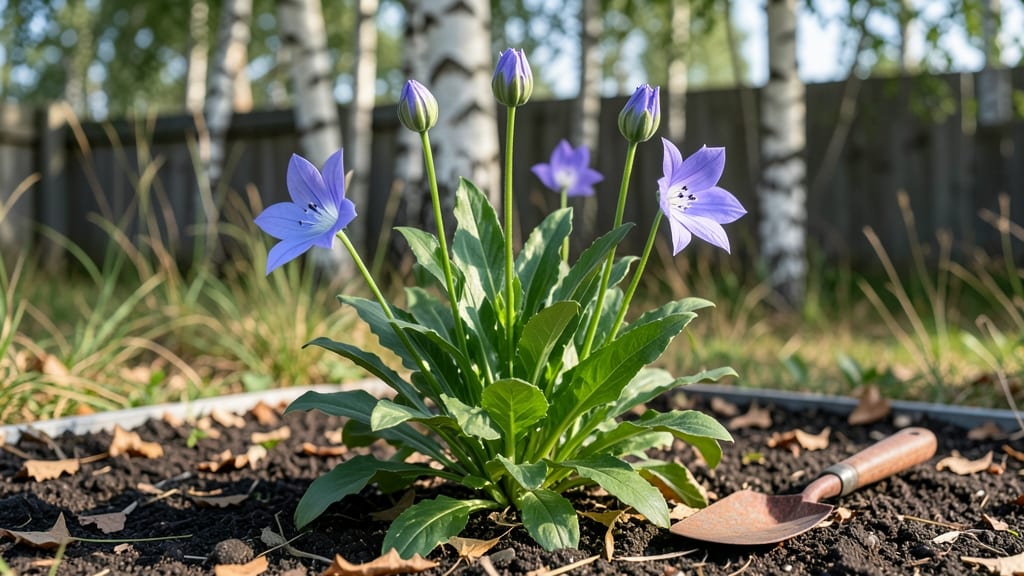
Balloon flower care starts with understanding why these blue spikes stand out—because they’re tougher and more versatile than most perennials. ✨ I’ve grown them in containers, garden beds, and even rocky slopes, and they always bounce back with those signature bell-shaped blooms.
The secret? They thrive in partial shade to full sun, handle poor soil better than most flowers, and come back year after year in zones 3–8.
You’ll need well-draining soil (they hate soggy roots) and moderate watering—too much and they’ll sulk, too little and they’ll flop. Pruning spent blooms keeps them tidy and encourages more flowers, while dividing clumps every 3–4 years prevents overcrowding.
The best part? They’re practically pest-proof, so you won’t spend hours battling aphids or powdery mildew like with fussy annuals.
By summer’s end, you’ll have vibrant blue, purple, or white spikes that last for weeks, even in heat waves. The foliage stays lush, the stems are sturdy, and they self-seed just enough to naturalize without taking over.
Once established, they’re the kind of plant that makes neighbors ask, “What’s that?”—so you can brag about your low-maintenance blue beauty.
Whether you’re tucking them into a container garden or letting them spread in a sunny border, balloon flowers deliver effortless color with almost no fuss. Here’s how to keep them thriving all season long.
📚 In This Guide
- What you need
- Instructions
- Tips and common mistakes
- Wrapping up and next steps
What you need
- ● Balloon flower plants: 1-3 nursery-grown plants (bare-root or potted, depending on season)
- ● Seeds (if starting from scratch—requires stratification for best results)
- ● Well-draining soil: 1 part high-quality potting mix (for containers)
- ● 1 part compost or aged manure (for nutrient boost)
- ○ 1 part perlite or coarse sand (for drainage—optional but recommended)
- ● Container (if needed): 5-7 gallon pot per plant (with drainage holes!)
- ● OR a garden bed with loose, fertile soil
- ● Basic gardening tools: Trowel or small shovel
- ● Pruning shears (for deadheading or shaping)
- ● Gloves (to protect your hands from thorns or soil)
- ● Fertilizer: Balanced, water-soluble fertilizer (10-10-10 or similar)
- ● OR slow-release granules (follow package instructions)
- ● Mulch: 1-2 inches of organic mulch (e.g., shredded bark or straw) to retain moisture.
- ● Watering can or hose: With a gentle spray nozzle for even hydration.
- ○ Stakes or cages (optional): For taller varieties to prevent flopping in wind or rain.
- ● 📍 Sunlight: Full sun to partial shade (6+ hours of sunlight daily for best blooms).
- ● 💧 Watering routine: Keep soil consistently moist but not soggy (especially during flowering).
- ● 🌡️ Climate: Hardy in USDA zones 3-9; tolerates light frost but avoid waterlogging.
Step-by-step guide to cultivating healthy balloon flower plants
Here's how to coax those striking blue flower spikes into thriving displays—whether in pots or garden beds.
🌱 Step 1: Choose the Perfect Planting Spot
Balloon flowers (Platycodon grandiflorus) thrive in full sun to partial shade, with at least 6 hours of direct sunlight daily. In hot climates, afternoon shade prevents leaf scorch. I always test the spot by observing how other perennials grow there—if they're lush, it's likely perfect.
For containers, select pots with drainage holes and at least 12 inches deep—shallow pots restrict root growth. In garden beds, amend heavy clay soil with 2-3 inches of compost to improve drainage. These plants hate soggy roots, so raised beds work beautifully if your native soil drains poorly.
☀️ Step 2: Plant at the Right Time and Depth
Spring is ideal for planting, but you can also set them out in early fall for a late-season bloom. Handle roots gently—balloon flowers resent being disturbed. Dig a hole twice as wide as the root ball but only as deep as the container's original soil line. Planting too deep suffocates the crown.
Backfill with native soil mixed with your compost, pressing lightly to eliminate air pockets. Water deeply immediately after planting to settle the soil around roots. You'll know it's right when the soil surface looks slightly firm but still crumbly—like a well-tended cake crumb.
💧 Step 3: Water Consistently Without Overdoing It
Keep soil evenly moist but never soggy during the first growing season. I water every 2-3 days in summer, checking by sticking my finger 2 inches deep—if it feels dry, it's time. Balloon flowers develop thick taproots, so deep watering encourages strong establishment.
Once established, they're surprisingly drought-tolerant. You'll notice mature plants wilting slightly in heat waves—that's normal. Reduce watering to once weekly in winter, only enough to prevent complete soil drying. Mulch with 2-3 inches of shredded bark to retain moisture and regulate soil temperature.
✂️ Step 4: Deadhead and Prune for Continuous Bloom
Remove faded flower spikes by cutting the stem just above the next set of leaves—this redirects energy to new blooms. I do this every 2-3 weeks during the flowering season (late spring to fall). Never cut into old wood, or you'll sacrifice next year's blooms.
After the first frost, cut back the entire plant to 2-3 inches above ground level. This prevents flopping and encourages fresh growth in spring. The reason we prune so aggressively is that balloon flowers naturally grow from the base, and old stems rarely produce new flowers.
🌿 Step 5: Divide and Fertilize for Long-Term Health
Every 3-4 years, divide clumps in early spring when new shoots appear. Dig up the plant, separate the sections with a clean knife, and replant immediately. Each division should have 3-5 healthy shoots—smaller clumps struggle to establish. This rejuvenates plants and prevents overcrowding.
Feed lightly in spring with a balanced 10-10-10 fertilizer at half strength. Too much nitrogen produces lush foliage but fewer flowers. I skip fall fertilization entirely—balloon flowers store energy in their roots and don't need extra nutrients before dormancy.
Tips & tricks for cultivating thriving balloon flowers
These simple yet game-changing tips will help you transform your balloon flowers from struggling survivors to showstopping stars in your garden or containers.
Location Strategy: Pay attention to how your balloon flowers respond to their spot after the first month. If leaves appear pale or leggy, they're not getting enough light—move them to a sunnier location. In containers, rotate pots every few weeks so all sides receive even sunlight, preventing one-sided growth that weakens the plant's structure.
Root Health Secret: The key to preventing root rot in containers is that drainage hole combined with the 2-3 inches of compost we mentioned. For extra insurance, add a layer of small gravel or perlite at the bottom of your pot before adding soil. This creates an air pocket that prevents water from pooling at the roots while still allowing excess moisture to drain away.
Watering Wisdom: That 2-inch soil check during summer watering is your best friend. If you're using your finger and the soil feels dry only at the very surface but still moist below, hold off on watering. Balloon flowers are surprisingly resilient once established—they'd rather you underwater slightly than drown their roots. In extreme heat, water in the morning rather than evening to reduce evaporation and fungal risks.
Pruning Precision: When you're cutting back those 2-3 inches after the first frost, use clean, sharp pruners to avoid tearing the stems. This clean cut helps prevent disease entry points. For container plants, you can also trim back any straggly growth throughout the season by a third to encourage bushier, fuller plants. Just avoid cutting into old wood—always leave at least a set of leaves below your cut.
Pro Tips for Balloon Flower Care
- These simple yet game-changing tips will help you transform your balloon flowers from struggling survivors to showsto...
- Location Strategy: Pay attention to how your balloon flowers respond to their spot after the first month. If leaves a...
- Root Health Secret: The key to preventing root rot in containers is that drainage hole combined with the 2-3 inches o...
Frequently asked questions
How often should I water balloon flowers?
Balloon flowers thrive with consistent moisture but hate soggy soil. Water deeply 1-2 times per week, adjusting for climate—more in heat, less in humidity. Let the top inch of soil dry out between waterings. Pro tip: Mulch around plants to retain moisture and prevent weeds!
When is the best time to plant balloon flowers?
Plant seeds or transplants in early spring (after the last frost) or late summer for fall blooms. They’re hardy in zones 4-9, so avoid planting when night temps dip below 40°F. For containers, use well-draining soil and place in full sun to partial shade (6+ hours of light).
What pests or diseases should I watch for?
Common issues include aphids, spider mites, and powdery mildew. Check undersides of leaves for pests—blast them off with water or use neem oil. For mildew, improve airflow and avoid overhead watering. Yellow leaves? Often a sign of overwatering or poor drainage.
Can balloon flowers grow in containers?
They’re perfect for pots, especially dwarf varieties like ‘Blue Ball’. Use a 5-7 gallon container with drainage holes, and mix in perlite for aeration. Repot every 2-3 years or when roots crowd the pot. Bonus: Deadhead spent blooms to encourage more flowers!
How do I overwinter balloon flowers?
In cold climates (zones 4-5), cut back foliage to 2-3 inches and mulch heavily with straw or leaves. For containers, move pots to a sheltered spot or bring indoors before freezing temps. Resume care in spring—new growth will emerge when soil warms to 50°F+.
Why aren’t my balloon flowers blooming?
Lack of blooms often means too much nitrogen (focus on phosphorus/potassium fertilizer) or insufficient light. Ensure they get 6+ hours of sun and prune leggy stems to encourage bushier growth. Patience pays off! Some varieties bloom in their second year.
Wrapping up and next steps
Caring for balloon flowers is a rewarding journey that brings vibrant blue spikes to your garden or containers! With the right balance of sunlight, soil, and water, these hardy plants thrive with minimal fuss.
Whether you’re a beginner or a seasoned gardener, their resilience and striking blooms make them a must-have for any outdoor space.
Ready to watch your balloon flowers flourish? Grab your gardening gloves and give them the love they deserve—your future blooms will thank you! 🌸 For even more tips, explore seasonal care guides or share your progress with fellow plant lovers online.