
Tools
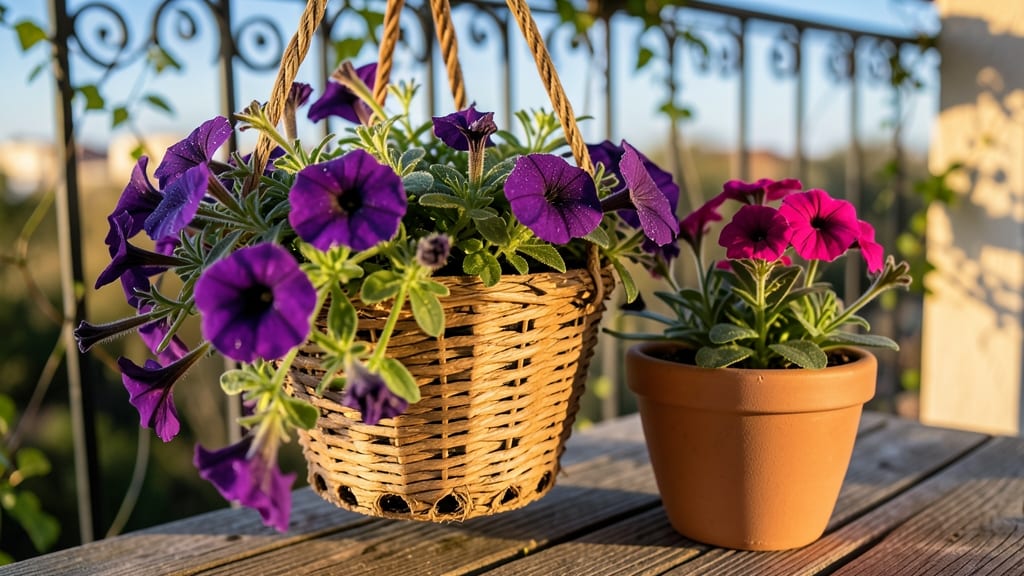
A balcony flower garden can transform a concrete jungle into a fragrant, colorful retreat—without needing a yard. I turned my tiny city balcony into a thriving canopy of petunias, ferns, and trailing ivy, and the results were shocking: neighbors stopped to ask which "secret garden" they were looking at.
The key? Smart plant pairings that maximize vertical space and container choices that hide drainage holes with style.
Start with containers that match your balcony's vibe—modern planters for sleek lines, hanging baskets for cascading blooms, or tiered shelves to stack plants like a living bookshelf. Sunlight dictates your plant menu: petunias and geraniums crave full sun, while impatiens and ferns thrive in shade.
Drainage is non-negotiable, so add a layer of pebbles or broken pottery to the bottom of every container before soil. My 5-gallon pots hold enough soil to keep plants hydrated for 3-5 days between waterings.
By summer's end, you'll have a living tapestry of color and texture that feels like a vacation spot. The trailing nasturtiums spill over edges like confetti, while the lavender adds a soothing fragrance that lingers when you brush past.
Even the smallest balcony becomes a sanctuary—just imagine sipping morning coffee surrounded by blooms instead of concrete. Let’s make that vision real with the right plants and setup.
This design works for any balcony size, from 4-foot-wide ledges to full wraparounds. Adapt the plant palette to your sunlight, and swap containers for different aesthetics—rustic terra cotta, minimalist black, or whimsical macramé. The only rule? Make it uniquely yours. Ready to turn your view into a view you love?
📚 In This Guide
- What you need
- Instructions
- Tips and common mistakes
- Wrapping up and next steps
What you need
- ● Containers: 3–5 medium-sized pots (12–18 inches deep) or hanging planters (depending on plant types). Ensure they have drainage holes!
- ● Potting Soil: 1–2 bags of high-quality, well-draining potting mix (avoid garden soil—it compacts and drains poorly).
- ● Drainage Material: Small pebbles, perlite, or broken pottery (1–2 cups per pot) to improve drainage.
- ● Seeds or Seedlings: Balcony-friendly flowers: Petunias, geraniums, marigolds, or fuchsias (3–5 plants per pot).
- ● Herbs: Basil, thyme, or mint (1–2 plants per container).
- ● Fertilizer: Slow-release granules or liquid fertilizer (balanced 10-10-10 or organic options like fish emulsion).
- ● Watering Can or Hose: With a gentle spray nozzle for even watering.
- ● Trowel or small shovel for planting.
- ● Gloves (to protect your hands from soil and thorns).
- ● Pruning shears (for trimming dead blooms or overgrowth).
- ● Measuring tape (to check sunlight exposure spots).
- ○ Mulch (optional): Shredded bark or coconut coir to retain moisture.
- ● Sunlight access: At least 4–6 hours of direct sun per day (adjust plant choices for shade if needed).
- ● Balcony rail or sturdy shelf (weight limit: containers should weigh ≤20 lbs each when watered).
- ● Water source nearby (or a portable watering setup).
How to create a thriving balcony flower canopy in containers
Here's how to transform limited space into a lush, fragrant floral display that brightens any small outdoor area.
Choose the Right Containers and Plant Combinations
Select containers with drainage holes that are at least 12 inches deep for most flowering plants. I prefer hanging baskets for trailing flowers like petunias and window boxes for upright varieties like geraniums. Group plants with similar water needs together—mixing drought-tolerant succulents with thirsty impatiens leads to uneven care.
For a 4-plant canopy, use a mix of 2-3 hanging baskets and 1-2 window boxes. Fill each container with lightweight potting mix (never garden soil) to prevent root rot. The key is airflow—crowded plants invite pests and fungal diseases. Space plants 6-8 inches apart in baskets and 4-6 inches apart in window boxes.
Select Sun-Loving and Shade-Tolerant Varieties
Most balcony flowers thrive in full sun (6+ hours daily), but some varieties tolerate partial shade. For sun: geraniums, petunias, and marigolds bloom best with 6-8 hours of direct sunlight. For shade: impatiens, begonias, and fuchsias prefer morning sun and afternoon shade to prevent leaf scorch.
Here's the thing—I always include one fragrant variety (like sweet alyssum or lavender) to maximize sensory enjoyment. Mix heights: tall plants (like snapdragons) at the back, medium plants (like coleus) in the middle, and trailing plants (like lobelia) at the edges of containers. This creates visual depth without taking up extra space.
Water and Fertilize for Container Success
Containers dry out 2-3 times faster than in-ground plantings. Water deeply every morning until water runs freely from the drainage holes—this ensures roots get moisture without sitting in soggy soil. I use a self-watering system (like a saucer with pebbles) for hanging baskets to maintain even moisture without overwatering.
Feed plants every 2 weeks with a balanced liquid fertilizer (10-10-10 ratio) during the growing season. Over-fertilizing causes leaf burn, so always dilute to half-strength unless the label says otherwise. Watch for yellowing leaves—this usually means either overwatering or nutrient deficiency. Adjust accordingly.
Prune and Deadhead for Continuous Blooms
Pinch back leggy stems when plants are young to encourage bushier growth. Once flowers appear, deadhead spent blooms weekly—this redirects energy from seed production to new flower growth. I use clean, sharp scissors to snip just above a set of healthy leaves, never tearing stems with my fingers.
For trailing plants, gently weave stems through basket slits or bamboo supports to create a fuller look. If a plant outgrows its container, trim roots and repot into a slightly larger container with fresh potting mix. Most balcony flowers rebound quickly from light pruning—don’t be afraid to shape them as they grow.
Protect and Enjoy Your Canopy
Move containers indoors during frost or heavy rain to extend their lifespan. Use lightweight frost cloth if nights dip below 50°F—it protects without blocking sunlight. I also add mulch (like shredded bark) to container surfaces to retain moisture and insulate roots during temperature swings.
Rotate containers every 2 weeks so all sides get even sun exposure. This prevents plants from leaning toward the light and keeps your canopy looking symmetrical. With proper care, a well-designed balcony flower garden can bloom continuously from spring through fall—and who doesn’t love fresh-cut flowers on a sunny afternoon?
Tips & tricks for perfect balcony flower canopy
Transforming your balcony into a fragrant floral oasis doesn't have to be complicated—these simple strategies will help you create a thriving canopy that blooms all season long.
Container Selection: If you're working with limited space, consider using stackable containers to maximize vertical growth. This allows you to create multiple levels of blooms without taking up extra floor space. For example, place taller window boxes on the bottom and hanging baskets above them. Just make sure each container has proper drainage—no exceptions! I've seen too many beautiful setups ruined by root rot from poor drainage.
Sunlight Strategy: The 6-8 hours of direct sunlight mentioned in Step 2 is critical, but here's what nobody tells you—morning sun is gentler than afternoon sun. If your balcony gets intense afternoon heat, position sun-loving plants like geraniums on the east side where they'll receive morning sun. Shade-tolerant varieties like impatiens can handle the afternoon heat better. This simple adjustment can extend your plants' lifespan by weeks.
Watering Wisdom: That morning watering routine in Step 3 works wonders, but there's a secret weapon: use a spray nozzle on your watering can to gently mist the foliage. This mimics natural dew and helps prevent fungal diseases like powdery mildew. I've noticed my petunias stay healthier and bloom more prolifically when I add this extra step. Just be sure to water at the base of plants rather than overhead to keep leaves dry as much as possible.
Fertilizer Timing: The every-2-week feeding schedule is perfect, but here's what I learned the hard way: don't fertilize when your plants are stressed. If you've recently repotted or moved containers, wait at least 2 weeks before starting your regular feeding schedule. Also, switch to a low-phosphorus fertilizer (like 5-5-5) once blooming starts to encourage more flowers instead of foliage. Your balcony will thank you with non-stop color!
Pro Tips for Balcony Flower Garden
- Transforming your balcony into a fragrant floral oasis doesn't have to be complicated—these simple strategies will help you create a thriving canopy that blooms all season long.
- Container Selection: If you're working with limited space, consider using stackable containers to maximize vertical growth.
- Sunlight Strategy: The 6-8 hours of direct sunlight mentioned in Step 2 is critical, but here's what nobody tells you—morning sun is gentler than afternoon sun.
Frequently asked questions
Got questions about transforming your balcony into a blooming paradise?
Here are answers to the most common queries—so you can garden with confidence!
What are the best low-maintenance flowers for a balcony garden?
Opt for hardy, drought-tolerant varieties like petunias, geraniums, or succulents. These thrive in containers with minimal care and brighten up small spaces effortlessly. Herbs like basil or mint also work well if you prefer edible greenery!
When is the best time to start a balcony flower garden?
Spring (after the last frost) is ideal for planting most flowers, but winter-hardy varieties (like pansies) can go in late summer/fall. If you’re in a warm climate, year-round planting is possible! Just ensure pots have drainage to prevent root rot.
How often should I water my balcony flowers?
Water when the top inch of soil feels dry—usually every 2–3 days in hot weather. Containers dry out faster than ground soil, so morning watering prevents evaporation. Pro tip: Use self-watering planters or mulch to retain moisture!
Can I reuse old containers for my balcony garden?
Clean and disinfect containers (with bleach or vinegar) to kill pests or fungi. Ensure they have drainage holes—drill them if needed. Just avoid treated wood or plastic that may leach chemicals into the soil.
How do I keep pests away from my balcony flowers?
Prevent pests with neem oil or insecticidal soap. Encourage beneficial bugs like ladybugs by planting marigolds or lavender. Avoid overwatering (which attracts slugs) and inspect leaves regularly for early signs of trouble.
Wrapping up and next steps
Creating a balcony flower garden is more than just a hobby—it’s a way to transform your space into a vibrant, fragrant oasis with minimal effort!
Whether you’re working with pots, hanging planters, or vertical gardens, the key is choosing the right plants, containers, and care routine for your climate and sunlight. With a little creativity and patience, you’ll soon enjoy a thriving canopy of color right outside your door.
Ready to get started? Pick your favorite flowers, gather your supplies, and begin planting today! 🌸✨ Your balcony will thank you—and so will your senses.