
Flowers
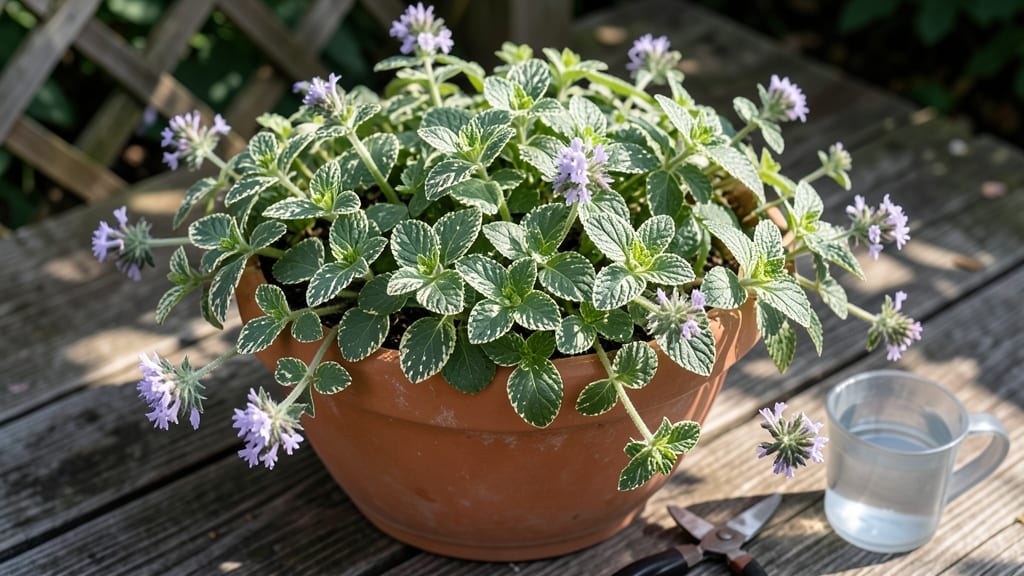
Growing apple mint flowers means fragrant purple blooms that last all season—with almost no effort from you. 🌿 I’ve watched this hardy perennial transform a shady corner into a fragrant oasis, and the secret isn’t complicated: it thrives where other plants struggle.
The key is understanding its love for moisture, partial shade, and occasional pruning to keep it lush and flowering.
You’ll need a spot with 4-6 hours of morning sun and soil that stays consistently damp but not soggy—think of it as the low-maintenance plant that rewards patience. Propagation is a breeze too: simply snip a healthy stem, root it in water for a week, and transplant.
Within months, you’ll have a bushy plant ready to bloom, all while keeping invasive roots in check with a buried pot or root barrier.
What you’ll end up with is a plant that smells like a cross between mint and apple (hence the name), with delicate purple flowers that attract bees and butterflies. The leaves stay tender all season, perfect for teas, desserts, or garnishes.
Plus, it’s one of those plants that looks better as it grows—no deadheading required for the best blooms.
Works in containers, garden beds, or even hanging baskets—just keep it away from veggie gardens, as it can take over. Here’s how to keep it thriving without the hassle.
📚 In This Guide
- What you need
- Instructions
- Tips and common mistakes
- Wrapping up and next steps
What you need
- ● Apple mint seeds or cuttings: Start with high-quality seeds (0.5–1 oz packet) or fresh cuttings (3–5 inches long) from a healthy plant.
- ● Well-draining potting mix: 2–3 gallons of a lightweight, organic mix (e.g., 60% peat moss, 30% perlite, 10% compost). Avoid heavy clay soil.
- ● Containers (if growing indoors/outdoor pots): 1–2 6–8 inch pots (for seedlings) with drainage holes.
- ● 1 12–16 inch pot or raised bed (for mature plants; depth: 12+ inches).
- ● Slow-release fertilizer: 1–2 tbsp of balanced 10-10-10 or organic options like worm castings.
- ● Mulch: 1–2 inches of straw or shredded leaves to retain moisture.
- ● Garden trowel or small shovel: For transplanting seedlings or dividing roots.
- ● Spray bottle or watering can: With a fine mist nozzle (for seedlings) or gentle watering (for mature plants).
- ● Pruning shears: Sharp, sterilized shears for trimming dead blooms or overgrowth.
- ● Sunlight access: 6+ hours of direct sun daily (partial shade in hot climates).
- ○ Optional but helpful: Grow lights (for indoor setups).
- ● Support stakes (if stems flop; apple mint can grow 12–24 inches tall!).
- ● Compost tea (for a nutrient boost every 4–6 weeks).
How to grow apple mint flowers for continuous fragrance
Here's the simple method I've used to keep apple mint blooming all season with almost no effort.
🌱 Step 1: Choose the Perfect Location for Sun and Spread
Apple mint thrives in partial shade to full sun, but here's the trick: morning sun and afternoon shade prevents leaf scorch while still encouraging blooms. I plant mine where they get 4-6 hours of direct sun—usually near the edge of my garden bed where dappled light filters through taller plants.
This herb spreads aggressively, so contain it in a 12-inch deep pot or designate a 12-inch square area in your garden. Without boundaries, it'll take over your entire yard within a season. If planting in ground, bury a hard plastic edging 6 inches deep around the perimeter to contain those wandering roots.
💧 Step 2: Water Consistently Without Overdoing It
Keep the soil evenly moist but never soggy—this is where most people mess up. Water when the top inch of soil feels dry to touch, which should be about every 2-3 days in warm weather. The key is deep watering: give it 1 cup per plant until water runs out the drainage holes if potted, or seeps 6 inches deep in garden beds.
Here's the thing—apple mint hates wet feet. If you notice yellowing leaves or stems that look mushy at the base, you're overwatering. Let the soil dry out slightly between waterings, especially in cooler months when growth slows. The plant's fragrance actually intensifies when slightly thirsty!
☀️ Step 3: Encourage Blooms with Proper Care
To get those signature apple mint flowers, pinch back the tips of new growth when stems reach 4-6 inches tall. This redirects energy from leaf production to flower formation. Use clean fingers or small pruning shears to snip just above a set of leaves—no need for fancy cuts.
When flowers appear, deadhead regularly by snipping spent blooms at the base. This prevents seed formation and encourages more flowers to develop. I do this every 7-10 days during peak bloom season. The more you deadhead, the longer your plant will keep producing those fragrant white blossoms.
✂️ Step 4: Prune and Harvest for Year-Round Growth
Give your apple mint a hard pruning in early spring to remove any dead growth and encourage fresh, vigorous new shoots. Cut back about one-third of the plant's height, but leave at least 3-4 inches of growth. This rejuvenates the plant and prevents it from becoming too woody.
Harvest leaves anytime by snipping 2-3 inch stems from the outer growth. This stimulates bushier growth and prevents the plant from flowering too early. For best flavor, harvest in the morning after the dew has dried but before the sun gets too intense. Store harvested stems in a jar of water on your counter—they'll last 1-2 weeks while staying fragrant.
Tips & tricks for perfect apple mint blooms
Real talk: Growing apple mint flowers isn't just about planting—it's about creating the right conditions for continuous fragrance. Here's what nobody tells you about keeping those blooms coming back.
Lighting Strategy: That 4-6 hours of direct sun in Step 1 is non-negotiable, but timing matters just as much. Position your plants where they get morning sun (when UV intensity is lower) and afternoon shade (after 2 PM). I've noticed the flowers last longer when they're not fried by harsh afternoon rays. If your garden gets intense afternoon sun, consider a lightweight shade cloth for peak hours.
Container Hack: For potted apple mint, use a container that's at least 12 inches deep but also has drainage holes—this herb hates soggy roots. I line my pots with a coffee filter over the drainage holes to prevent soil from washing out while still allowing water to escape. This keeps the roots healthy and encourages more vigorous blooming. The deeper the pot, the more room those wandering roots have to spread without escaping.
Deadheading Discipline: Those 7-10 day deadheading intervals in Step 3 are crucial, but here's the secret: do it in the morning. Flowers that have opened overnight are ready to be removed, and you'll see new buds forming within days. I use clean, sharp scissors to snip just below the flower cluster—this prevents damage to the stem and encourages more side shoots to develop. The more consistently you deadhead, the more flowers you'll get.
Watering Rhythm: The "every 2-3 days" guideline works for warm weather, but adjust in cooler months. When temperatures drop below 60°F, let the soil dry out more between waterings. I check moisture by sticking my finger 1-2 inches into the soil—if it's dry, it's time to water. Overwatering is the #1 reason apple mint flowers fail to thrive, so when in doubt, wait another day.
Pro Tips for Apple Mint Flower
- Real talk: Growing apple mint flowers isn't just about planting—it's about creating the right conditions for continuo...
- Lighting Strategy: That 4-6 hours of direct sun in Step 1 is non-negotiable, but timing matters just as much. Positio...
- Container Hack: For potted apple mint, use a container that's at least 12 inches deep but also has drainage holes—thi...
Frequently asked questions
Got questions about growing apple mint flower? You’re not alone!
Here are answers to the most common queries to help you cultivate fragrant blooms with confidence.
When is the best time to plant apple mint flowers?
Apple mint thrives in spring or early fall when temperatures are mild (50–75°F). Avoid planting in hot summer heat, as it can stress young plants. If you’re in a warm climate, opt for fall planting to let roots establish before summer’s intensity.
How often should I water apple mint flowers?
Keep soil consistently moist but not soggy—water 1–2 times per week, more in extreme heat or sandy soil. Mulch helps retain moisture. Overwatering can cause root rot, so check the top inch of soil before watering. Pro tip: Apple mint loves humidity, so mist leaves occasionally for extra fragrance!
Why aren’t my apple mint flowers blooming?
Blooms may skip if the plant is overcrowded, underfed, or stressed. Try these fixes:
- Prune leggy growth to encourage bushier, flower-heavy stems.
- Fertilize lightly with a balanced 10-10-10 formula in spring.
- Ensure 6+ hours of sunlight—partial shade can delay blooms.
Are apple mint flowers toxic to pets or kids?
While apple mint is non-toxic to humans, dogs and cats may experience mild stomach upset if ingested in large amounts. Keep plants out of reach of pets that chew foliage. Pro tip: If you’re unsure, opt for pet-safe alternatives like lavender or scented geraniums.
Can I grow apple mint flowers in containers?
Apple mint thrives in containers (12"+ pots) with well-draining soil. Use hanging baskets or tall planters to control its spreading habit. Divide roots every 1–2 years to prevent overcrowding. Bonus: Containers make it easy to move plants to sunny spots or shade as needed!
How do I harvest apple mint flowers for fragrance?
Harvest blooms early in the morning when oils are most potent. Snip stems with 1–2 inches of foliage attached, then air-dry in a dark, well-ventilated space for 1–2 weeks. Store dried flowers in glass jars for potpourri, teas, or sachets. Pro tip: Freeze fresh blooms in ice cubes for infused drinks!
Wrapping up and next steps
Growing apple mint flower is a rewarding journey that brings fragrant blooms and lush greenery to your garden with minimal fuss! Whether you’re drawn to its delicate white flowers or the refreshing aroma, this hardy plant thrives in diverse conditions—making it perfect for beginners and seasoned gardeners alike.
With just a few simple steps, you can enjoy its beauty and benefits year-round.
Ready to transform your space? Start small—plant a few stems in a pot or your garden bed, and watch your apple mint flourish! Share your progress with fellow plant lovers or experiment with its culinary and aromatic uses. Happy gardening! 🌿✨