
Flowers
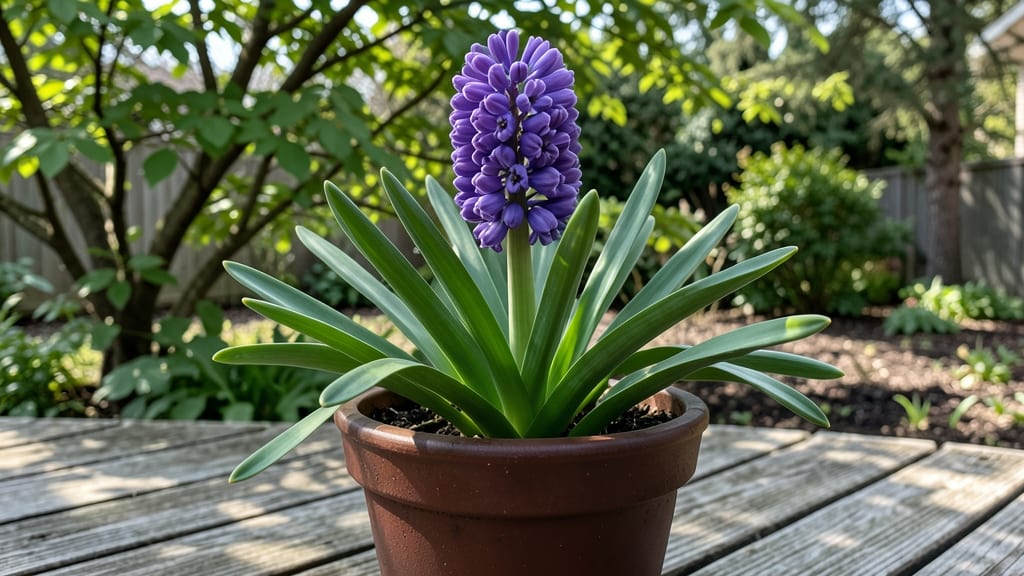
Hyacinth flower care reveals the secret to year-round beauty with just three simple trims—something I learned after my first hyacinths faded too soon. These fragrant bulbs don’t just survive winter; they come back stronger every spring with the right approach.
The key lies in understanding their natural rhythm: bloom, rest, and prepare.
Most people overwater or fertilize at the wrong time, which is why their hyacinths struggle to rebloom. You’ll need well-draining soil, bright but indirect light, and a patience that pays off in 3-5 years of reliable blooms.
The trims I’m sharing cut back on guesswork—no more second-guessing when to prune or fertilize.
By summer, you’ll have lush, velvety-green foliage that stores energy for next year’s flowers. The scent alone—sweet, intoxicating—makes the effort worth it. Even in small pots, these bulbs deliver professional-level fragrance without the fuss of high-maintenance perennials.
Works for forced bulbs indoors or outdoor garden beds, and adapts to containers or borders. Let’s get those blooms lasting longer than a single spring.
📚 In This Guide
- What you need
- Instructions
- Tips and common mistakes
- Wrapping up and next steps
What you need
- ● Hyacinth bulbs: Choose healthy, firm bulbs (size 12–14 cm for best blooms). Quantity: 1–5 bulbs per pot (depending on container size).
- ● Well-draining potting mix: Use a blend of peat moss, perlite, and compost (or a pre-mixed bulb/cactus soil). Quantity: Enough to fill your container ⅔ full.
- ● Containers: Pot with drainage holes (minimum 6-inch diameter for 1 bulb, larger for clusters).
- ● Terracotta or ceramic pots (recommended for airflow).
- ● Watering can or spray bottle: With a fine rose nozzle to avoid displacing soil.
- ● Fertilizer: Balanced liquid fertilizer (10-10-10 or 20-20-20), diluted to half-strength.
- ○ Slow-release bulb fertilizer (optional, sprinkle around bulbs at planting).
- ● Pruning shears or sharp scissors: Clean and sterilized to prevent disease.
- ○ Mulch (optional): Pebbles or decorative stones to retain moisture and enhance aesthetics.
- ● Sunlight: 6+ hours of bright, indirect light daily (south- or east-facing windowsill or grow lights).
- ● Temperature control: Dormancy phase (fall/winter): Cool temps (40–50°F/4–10°C).
- ● Growth phase (spring): 60–70°F/15–21°C.
- ● Patience: Hyacinths need 10–12 weeks of dormancy before blooming—plan ahead! 💡
How to maintain hyacinths for blooms that keep coming back
Here's the straightforward method I've used for decades to coax hyacinths into reblooming year after year.
Prune Spent Blooms Immediately After Fading
As soon as the last hyacinth bloom wilts—usually 4-6 weeks after flowering—cut the stem back to 1 inch above the base using clean, sharp pruners. This prevents the plant from expending energy on seed production and redirects it toward next year's bulb growth. I always sterilize my pruners with rubbing alcohol between cuts to prevent bacterial spread.
Don't wait until the foliage yellows completely. The bulb needs 6-8 weeks of active leaf growth after flowering to store enough energy for next season's blooms. If you cut too late, you'll starve the bulb and get fewer flowers next year.
Allow Foliage to Yellow Naturally Before Trimming
Leave the yellowing leaves intact until they turn completely brown and crispy—this can take 8-10 weeks after flowering. The dying foliage is still photosynthesizing and feeding nutrients back into the bulb. I know it looks messy, but this patience pays off with stronger blooms the following spring.
When the leaves finally collapse on their own, snip them back to 1-2 inches above the soil line. Never pull or tug at the dead foliage—this can damage the bulb's neck and reduce next year's flowering potential. The bulb should remain in the ground through summer and fall to build reserves.
Apply Balanced Fertilizer in Early Fall for Next Year's Blooms
In late September or early October, when daytime temperatures drop below 70°F, work a 5-10-10 fertilizer into the soil around the hyacinths at a rate of 1 tablespoon per plant. This timing gives the roots time to absorb nutrients before winter dormancy begins. Water thoroughly after applying to help distribute the fertilizer.
Hyacinths are light feeders—too much nitrogen produces lush foliage but weak flowers. If your bulbs aren't reblooming after 2-3 years, they may need dividing. I dig up clumps every 3-4 years in early summer, separate the offsets, and replant them in fresh soil with added compost.
Mulch Lightly in Winter to Protect Dormant Bulbs
After the first hard frost, apply a 2-inch layer of mulch around the base of the plants. I use shredded bark or straw because they break down slowly and won't smother the emerging shoots in spring. The mulch insulates the soil, protecting the bulbs from extreme temperature fluctuations that can cause dormancy issues.
In late winter, when you see green shoots pushing through the soil, remove the mulch completely. Hyacinths need cool temperatures to bloom properly—if you mulch too late, the soil may warm too quickly and delay flowering. A good rule of thumb is to remove mulch when the soil temperature at 4 inches deep reaches 50°F.
Tips & tricks for perfect hyacinth flower care
Between us, these small details make all the difference when it comes to getting those spectacular reblooms every spring. I've learned these the hard way after watching perfectly good bulbs peter out.
Pruning Precision: When you're ready to trim those spent blooms in Step 1, focus on making clean cuts exactly 1 inch above the base. The key is to use a sharp, sterilized pruner—dull tools crush the stem and invite disease. I've seen gardeners accidentally cut too deep into the bulb's neck, which weakens next year's growth. That 1-inch measurement isn't arbitrary; it preserves the bulb's energy storage system while preventing rot.
Leaf Longevity Secret: Here's what nobody tells you about Step 2—the yellowing leaves aren't just ugly, they're working overtime. Those crispy brown leaves are the plant's last chance to feed nutrients back into the bulb. I've watched impatient gardeners snip them too soon, only to get half the blooms the following spring. Mark your calendar 8-10 weeks after flowering and resist the urge to tidy up early. The bulb won't thank you for it.
Fertilizer Timing: That late September/October window in Step 3 is critical because it gives the roots time to absorb nutrients before winter dormancy begins. I've made the mistake of fertilizing too early when temperatures were still above 70°F, and the bulbs just didn't respond. The 5-10-10 ratio is perfect because it provides balanced nutrition without overfeeding nitrogen, which would give you big leaves but weak flowers. Think of it as giving your bulb a winter vitamin boost.
Mulch Mastery: The 2-inch mulch layer in Step 4 isn't just decoration—it's insulation. I've seen gardeners use thick mulch that suffocates the emerging shoots in spring. Stick to shredded bark or straw that breaks down slowly. And that 50°F soil temperature guideline? It's your cue to remove mulch. Too much warmth too soon tricks the bulb into thinking spring has arrived, and you'll delay those beautiful blooms.
Pro Tips for Hyacinth Flower Care
- Between us, these small details make all the difference when it comes to getting those spectacular reblooms every spr...
- Pruning Precision: When you're ready to trim those spent blooms in Step 1, focus on making clean cuts exactly 1 inch ...
- Leaf Longevity Secret: Here's what nobody tells you about Step 2—the yellowing leaves aren't just ugly, they're worki...
Frequently asked questions
Got questions about keeping your hyacinths thriving? Here are some of the most common concerns—plus quick fixes to keep those fragrant blooms happy year-round!
How often should I water my hyacinth bulbs?
Water your hyacinths moderately—about once a week during active growth (spring/summer), but reduce to every 2-3 weeks in winter. Overwatering can rot the bulbs, while underwatering stunts blooms. Pro tip: Stick your finger 2 inches into the soil; if it’s dry, it’s time to water!
Can I force hyacinths to bloom indoors earlier than spring?
To force blooms indoors, chill potted bulbs in a cool (35–45°F), dark place for 10–12 weeks, then move them to bright light. Add water sparingly during this time. Bonus: You’ll get fragrant flowers weeks ahead of outdoor blooming!
Why are my hyacinth leaves turning yellow or brown?
Yellowing leaves often mean overwatering or root rot, while brown tips suggest underwatering or low humidity. Check drainage and trim dead leaves promptly. If bulbs smell foul, repot in fresh, dry soil. Prevent tip: Use well-draining pots with holes to avoid soggy roots!
Do hyacinths need fertilizer? What kind?
Yes! Feed bulbs with a balanced, low-nitrogen fertilizer (like 10-10-10) in early spring when shoots appear, then again after blooming. Avoid high-nitrogen fertilizers—they encourage leaves over flowers. Quick hack: Use a slow-release bulb fertilizer for hassle-free care!
Can I replant hyacinth bulbs after they bloom?
Yes! After flowers fade, let foliage die back naturally (6–8 weeks) to recharge the bulb. Dig up, trim leaves to 2 inches, and replant in well-draining soil. Remember: Hyacinths thrive in full sun to partial shade—choose a spot wisely!
Wrapping up and next steps
Caring for your hyacinths doesn’t have to be complicated—just a little attention and the right trims will keep them blooming beautifully year after year! 🌸 With the right tools, timing, and techniques, you’ll enjoy vibrant flowers and lush foliage that brighten up any space.
Now that you’re armed with these simple yet effective tips, why not take the next step?
💡 Ready to elevate your garden? Grab your pruners, pick a sunny day, and give your hyacinths the care they deserve. Happy trimming—and happy gardening! 🌿